What is the fastest shipping route from China to Florida?
The fastest shipping route from China to Florida is typically via air cargo. Direct flights from major Chinese international airports like Shanghai Pudong or Guangzhou Baiyun to key Florida airports such as Miami International can deliver goods within 3 to 7 days. This expedited service is ideal for urgent, high-value, or time-sensitive shipments, significantly reducing transit time compared to ocean freight, though at a higher cost.
How much does it cost to ship a container from China to Florida?
The cost to ship a standard container from China to Florida varies widely, ranging from approximately 3,000 to over 8,000 US dollars for a 40-foot container. These rates fluctuate based on market demand, fuel prices, shipping line capacity, and the specific ports of origin and destination. It is essential to obtain real-time quotes from several reputable freight forwarders for accurate and current pricing.
Which ports in Florida receive cargo from China?
The primary ports in Florida that receive cargo from China include the Port of Miami, Port Everglades in Fort Lauderdale, and the Port of Jacksonville. These major deep-water ports are equipped to handle large container vessels and facilitate the efficient offloading and distribution of goods throughout Florida and the wider southeastern United States. Each port offers distinct logistical advantages.
What are typical transit times for ocean freight China to Florida?
Typical transit times for ocean freight from China to Florida generally range from 25 to 45 days. This duration depends on factors like the specific origin and destination ports, the chosen shipping line, whether the route includes transshipments, and prevailing weather conditions. Ships usually traverse the Pacific Ocean and pass through the Panama Canal before arriving at Florida's Atlantic coast ports.
How does customs clearance work for imports into Florida?
Customs clearance for imports into Florida involves submitting required documentation to U.S. Customs and Border Protection (CBP) upon the cargo's arrival. Essential documents include the commercial invoice, packing list, bill of lading, and a customs bond. A licensed customs broker typically manages this process, ensuring all duties, taxes, and regulatory compliance requirements are met before the goods are released for inland transport within Florida.
China to Florida shipping route map, how to ship from China to Florida, ocean freight China to Florida, air cargo China to Florida cost, best shipping companies China Florida, Florida ports for China imports, transit time China Miami, container shipping rates China Florida, importing from China to Florida guide, local freight services FloridaThis comprehensive guide explores the essential map of shipping routes from China to Florida, offering crucial insights for businesses and individuals alike. Navigate the complexities of international logistics as we detail common ocean freight paths, transit times, and key port connections in both regions. Discover how to select the most efficient and cost-effective shipping methods, comparing FCL and LCL options, air cargo alternatives, and multimodal solutions tailored for timely delivery across the United States. Understand critical factors influencing costs, including fuel surcharges, customs duties, and brokerage fees. This resource empowers you to make informed decisions, whether you are importing commercial goods or personal belongings. Learn where to find reliable shipping services, how to obtain competitive quotes, and what to expect during the entire transportation process to ensure your cargo arrives safely and on schedule in Florida.
Frequently Asked Questions
What are the main shipping ports in China for exports to Florida?
Major Chinese ports like Shanghai, Ningbo, Shenzhen, Guangzhou, and Qingdao are primary hubs for cargo destined for Florida. These ports offer extensive connections and frequent sailings, providing robust logistical support for a wide range of goods, from manufactured products to raw materials. Selecting the right departure port depends on your supplier's location and preferred carrier services.
How long does ocean freight typically take from China to Florida?
Ocean freight transit times from China to Florida generally range from 25 to 45 days, depending on the specific origin and destination ports, the shipping line, and the service route chosen. Direct routes are faster, while services involving transshipments can extend the journey. Weather conditions and customs processing also influence the overall delivery schedule.
What are the average costs for shipping a standard container from China to Florida?
The cost to ship a standard container from China to Florida varies significantly based on market demand, fuel prices, and container type (20ft or 40ft). Current rates can fluctuate from 3,000 to over 8,000 US dollars for a 40ft container. It is crucial to obtain real-time quotes from multiple freight forwarders for accurate pricing.
Is air cargo a viable option for shipping from China to Florida?
Yes, air cargo is a viable and often preferred option for urgent, high-value, or time-sensitive shipments from China to Florida. While significantly faster, with transit times typically ranging from 3 to 7 days, it is also considerably more expensive than ocean freight. This method is best suited for smaller, lighter consignments where speed is a priority.
What documents are required for customs clearance in Florida for Chinese imports?
For customs clearance in Florida, essential documents include the commercial invoice, packing list, bill of lading or air waybill, and a customs bond. Depending on the goods, additional permits, licenses, or certificates of origin may be required by U.S. Customs and Border Protection to ensure compliance with import regulations and duties.
How can I track my shipment from China to Florida?
Most reputable shipping companies and freight forwarders provide online tracking systems using your booking number, bill of lading number, or container number. These systems offer real-time updates on your cargo's journey, from departure in China to arrival and processing at Florida ports. Ensure you receive tracking details upon booking your shipment.
Understanding the intricate logistics of shipping from China to Florida is crucial for businesses and individuals engaged in international trade. The journey spans vast oceans, involving complex networks of ports, vessels, and transportation modes. This authoritative geographical guide provides a detailed overview of the primary shipping routes, offering invaluable insights into navigating the supply chain efficiently. Whether you are importing commercial goods for sale across the United States or moving personal effects to Florida, having a clear map of these routes is the first step toward successful delivery. We aim to demystify the process, highlighting key considerations that influence transit times, costs, and overall logistical planning for your cargo's safe arrival.
Florida's strategic location on the southeastern coast of the United States makes it a vital entry point for goods arriving from Asia. Major ports such as Miami, Jacksonville, and Tampa serve as critical hubs, facilitating the distribution of products throughout the state and beyond. By focusing on these specific Florida destinations, shippers can better plan their routes and anticipate arrival logistics. Our guide will delve into practical user cases, ensuring the information provided is directly applicable to your shipping needs. From understanding port operations to optimizing inland transportation, every detail is designed to enhance your experience and ensure compliance with U.S. import regulations as of 2026.
Understanding the Major Shipping Routes from China to Florida
What are the primary ocean freight paths from China to Florida?
The vast majority of cargo shipped from China to Florida travels via ocean freight, primarily utilizing established trans-Pacific routes. These journeys typically originate from major Chinese ports such as Shanghai, Ningbo, Shenzhen, Guangzhou, and Qingdao. Vessels then traverse the Pacific Ocean, often passing through the Panama Canal, which is a critical chokepoint significantly impacting transit times and costs. Upon entering the Atlantic, ships proceed directly to Florida's key ports, including the Port of Miami, Port Everglades in Fort Lauderdale, and the Port of Jacksonville, known for handling a wide variety of containerized goods.
Another less common but viable ocean freight option involves routing through the Suez Canal, bypassing the Americas entirely and entering the Atlantic from the east. While this route might be longer in terms of distance, it can sometimes be a strategic alternative depending on vessel availability, shipping line networks, and prevailing oceanic conditions. Shippers must carefully evaluate current global shipping schedules and potential geopolitical factors that could affect transit durations on either the Panama or Suez Canal routes. Understanding these distinct pathways is essential for anticipating arrival dates and planning onward logistics across Florida.
Containerized shipping, whether Full Container Load (FCL) or Less than Container Load (LCL), forms the backbone of these ocean routes. FCL shipments, where a single shipper uses an entire container, often offer more direct routes and faster transit times. LCL consolidates goods from multiple shippers into one container, which can lead to slightly longer transit times due to extra handling at consolidation and deconsolidation points. Both options are readily available from most major Chinese ports to all significant Florida entry points, providing flexibility for diverse cargo volumes and budgetary constraints for businesses operating in Florida.
How do air cargo routes differ for China to Florida shipments?
Air cargo offers a significantly faster alternative for shipments from China to Florida, prioritizing speed over cost for time-sensitive or high-value goods. Unlike ocean freight, which follows maritime paths, air shipments utilize direct flights from major international airports in China, such as Shanghai Pudong (PVG), Beijing Capital (PEK), and Guangzhou Baiyun (CAN), to key Florida airports including Miami International (MIA) and Orlando International (MCO). These routes bypass canals and lengthy ocean voyages, reducing transit times dramatically, often down to 3 to 7 days including customs processing.
The logistical flow for air cargo typically involves ground transportation from the factory or warehouse to the departure airport in China, followed by a direct or connecting flight to a Florida international airport. Upon arrival, expedited customs clearance procedures are common, followed by final delivery via local trucking services across Florida. This streamlined process minimizes the exposure of goods to prolonged transit risks and ensures quicker market entry for products. Businesses relying on just-in-time inventory or distributing seasonal merchandise frequently opt for air cargo despite its higher per-kilogram cost, recognizing the value of rapid delivery.
While air cargo provides unparalleled speed, its capacity is more limited compared to ocean freight, making it less suitable for extremely bulky or heavy shipments. Furthermore, fuel surcharges and airfreight rates can fluctuate significantly based on global demand, seasonal peaks, and airline capacity. Shippers must meticulously weigh the benefits of rapid transit against the increased financial investment. Engaging with a reputable air freight forwarder specializing in China-US lanes is crucial to secure competitive rates and ensure seamless handling, from origin in China to final delivery across Florida, as the fastest logistical solution.
Choosing the Best Shipping Method for Your Cargo
What factors influence shipping mode selection to Florida?
Selecting the optimal shipping mode from China to Florida involves a careful evaluation of several critical factors that directly impact your supply chain efficiency and cost-effectiveness. The most significant considerations include the urgency of the shipment, the total volume and weight of the cargo, and the budget allocated for transportation. For instance, highly time-sensitive goods, like perishable items or products with short market windows, will almost certainly necessitate air freight, despite its higher cost, to ensure timely arrival in Florida and capitalize on market opportunities without delay.
Conversely, larger, heavier, or less time-critical shipments, such as bulk commodities, furniture, or construction materials, are typically more economically transported via ocean freight. This method offers substantial cost savings per unit volume, making it the preferred choice for maximizing profit margins on goods that do not require immediate delivery. The nature of the goods also plays a role; hazardous materials or those requiring specialized handling might have limited options across different transport modes due as per regulations for shipping to the United States.
Beyond these core factors, businesses must also consider the reliability of the shipping service, the security measures in place, and the environmental impact of each mode. Some companies prioritize green logistics, opting for less carbon-intensive ocean shipping over air. Access to specific departure and arrival ports or airports in both China and Florida, as well as the availability of connecting inland transportation networks within Florida, also heavily influence the final decision. A comprehensive analysis of all these elements ensures a well-informed choice tailored to your specific logistical requirements and business objectives.
- Urgency of Delivery: Air freight for speed, ocean freight for standard delivery.
- Cargo Volume and Weight: Ocean freight for large, heavy shipments; air freight for smaller, lighter packages.
- Budget Constraints: Ocean freight is more cost-effective; air freight is premium.
- Type of Goods: Special handling or hazardous materials may limit options.
- Reliability and Security: Reputation of carrier and tracking capabilities.
- Environmental Impact: Consideration of carbon footprint.
- Port/Airport Accessibility: Proximity to origin and destination in China and Florida.
How to compare shipping costs and transit times effectively?
Effectively comparing shipping costs and transit times from China to Florida requires a systematic approach to gather and analyze quotes from various freight forwarders and carriers. Begin by obtaining detailed quotes that break down all associated expenses, including base freight rates, fuel surcharges, terminal handling charges, customs clearance fees, and any potential surcharges for specialized cargo or peak seasons. Ensure these quotes are
China to Florida shipping routes explained, ocean freight options to Florida, air cargo transit times China Florida, cost of shipping container from China to Miami, reliable freight forwarders for China US, customs clearance for imports to Florida, comparing shipping services to Florida


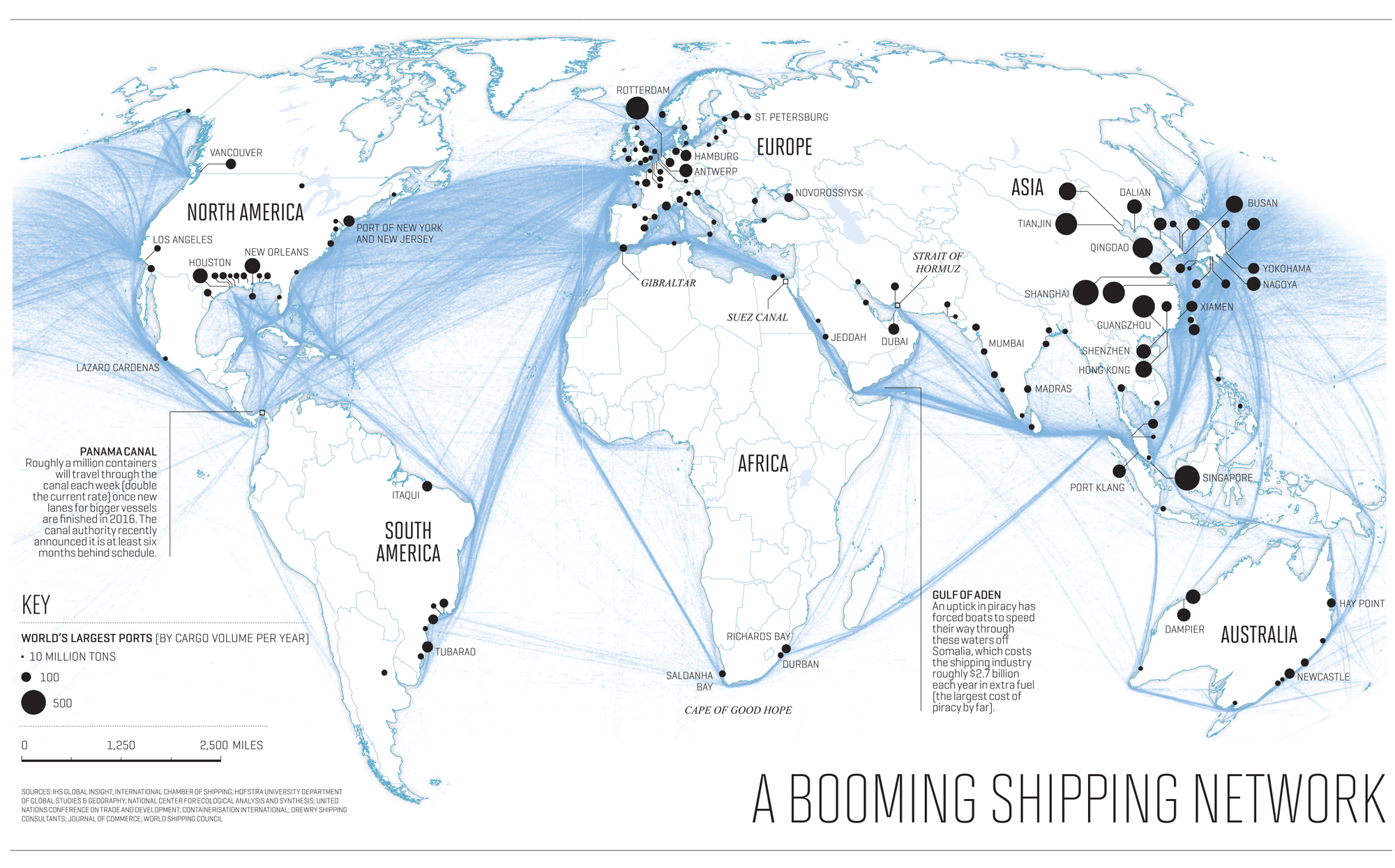
Shipping Routes From China To USA Map 2026 Update 7ece6359 19BB 4a64 9e77 52848bf654a5 7ece6359 19BB 4a64 9e77 52848bf654a5 Navigating The Route Comparing Different US Ports 2026 79395d67 B5F2 4ECA 81ED A3DF7A0FE4B7 79395d67 B5F2 4ECA 81ED A3DF7A0FE4B7 A Of Sea Nicolas Rapp Design Studio Hi Res Gulf Coast West Vs East 2026 EA64024E 93a5 48e8 891D 64fdae1b1975 EA64024E 93a5 48e8 891D 64fdae1b1975 Transit Time Comparison Ocean Carriers And Reviewed Maersk TP11 Air Guide 2026 Columbus Loop AAE2.


China USA Shipping CFC Sea Routes From To FCL Process Complete Guide Florida Comparing Different US Ports Common Ocean Freight Lanes Transpacific Trade Lane 2026 Asia North America Route Map 2025 Air Suez Canal 2026 Update 4DB2665D EB87 462A 95b3 695C203EB9AF 4DB2665D EB87 462A 95b3 695C203EB9AF LCL Rates 2026 Cost Dantful 2026 D6D41F99 D41F 4F1B A7A8 A1F1420539D1 D6D41F99 D41F 4F1B A7A8 A1F1420539D1 2026 B65081E8 C962 4903 99e4 B3AF991A6B95 B65081E8 C962 4903 99e4 B3AF991A6B95 West Vs East 2026 5ca30de9 7169 4e97 980B E2753CFAF6AC 5ca30de9 7169 4e97 980B E2753CFAF6AC The Means Of Transport Coast Carriers And Msc Everglades Eb.


Comparing Shipping Routes From China To Different US Ports Overview Of The USA Ocean East Coast Carriers And AAE3 Route Expedited STU WHL AA3 Mexico 2023 Detailed Guide 1688125735118735 Canada 2025 Costs Transit Times Best What Is Red Sea Its Importance Global Map MATSON CLX Maritime International For Cargo Major Trading Hubs World Ship Icons Dashed Line 332799047 South Africa May 2026 Welltrans How Long Stockout Prevention BLOG35 Img BLOG35 Bestlink Logistics West United States.