Are you a dedicated gamer navigating the demands of work family and life but still craving a powerful immersive experience without a hulking tower PC Mini ATX cases offer the perfect blend of compact design and high performance delivering full sized gaming prowess in a space saving footprint These increasingly popular enclosures are transforming how busy adults approach PC building allowing for stylish portable setups that fit seamlessly into any living space This comprehensive guide will explore the benefits considerations and expert tips for building a formidable gaming rig in a mini ATX case ensuring you optimize performance without sacrificing valuable real estate Discover how to achieve exceptional cooling manage cables like a pro and select the ideal components for your compact powerhouse Its time to reclaim your desk and elevate your gaming with a sleek and efficient mini ATX build designed for your lifestyle This resource is packed with navigational and informational insights to help you make informed decisions about your next compact gaming PC
What is a mini ATX case and who is it for?
A mini ATX case is a compact computer chassis designed to house mini ATX motherboards and other PC components in a significantly smaller footprint than traditional ATX towers. It's perfect for gamers and PC users who desire powerful performance but have limited desk space or prefer a sleek minimalist setup. If you are a busy adult gamer needing a potent rig that doesn't dominate your room a mini ATX case offers that ideal balance.
How does a mini ATX case differ from ITX or Micro ATX?
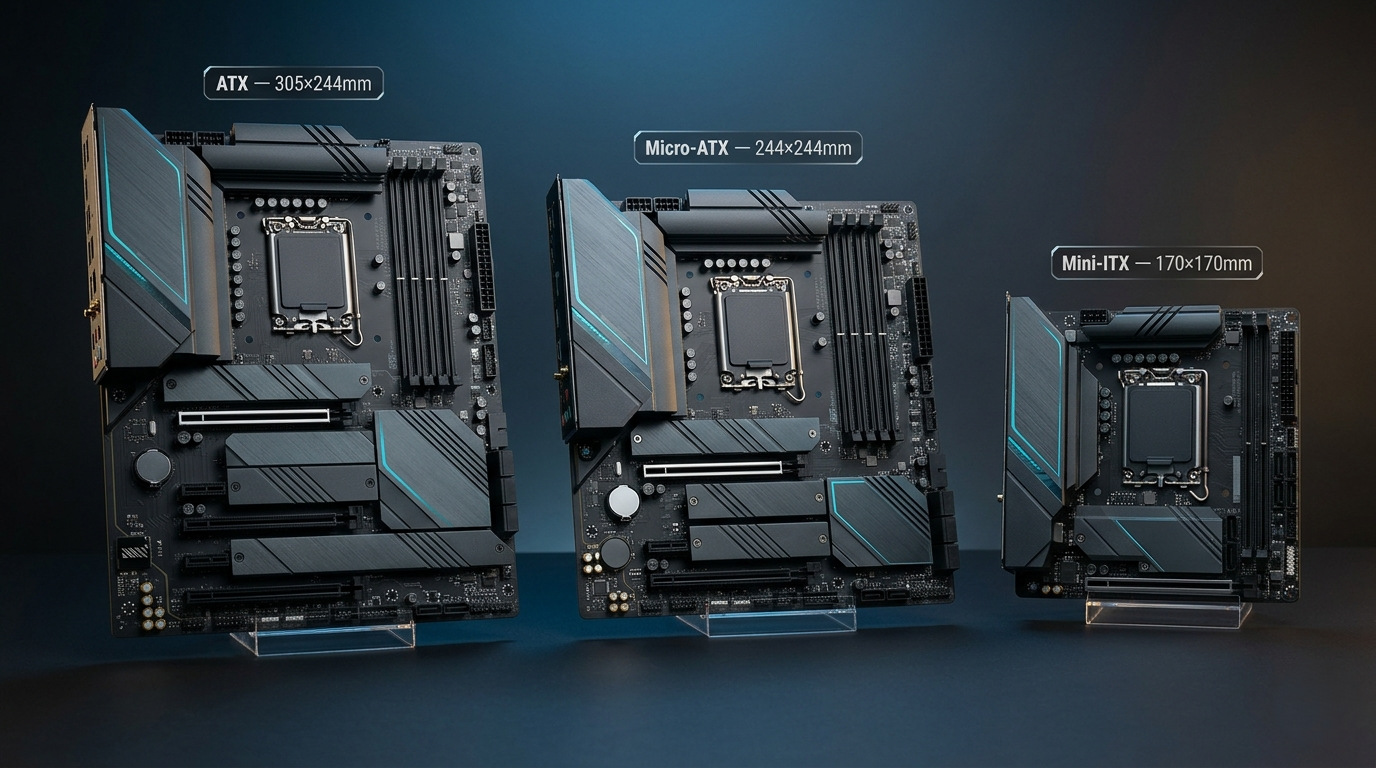
The primary difference lies in the motherboard size they accommodate and thus the overall case dimensions. Mini ATX motherboards are slightly larger than Mini ITX (8.6 x 6.7 inches vs 6.7 x 6.7 inches) but smaller than Micro ATX (9.6 x 9.6 inches). This means mini ATX cases are generally larger than mini ITX but smaller than most micro ATX cases. Mini ATX typically supports two PCIe slots offering more expansion than single-slot ITX but fewer than Micro ATX.
Can a mini ATX case support high-end graphics cards?
Absolutely yes Many mini ATX cases are engineered to support full sized high end graphics cards including the latest models from NVIDIA and AMD. However you must carefully check the maximum GPU length and width supported by your specific case model. Some ultra massive cards might still be too long or too thick for the smallest mini ATX enclosures making component research vital.
What cooling solutions are best for a mini ATX gaming PC?
For mini ATX gaming PCs both air and all in one AIO liquid cooling can be effective. AIO liquid coolers are often preferred for CPUs as they move heat away from the CPU area and out of the case. For air cooling prioritize low profile high performance CPU coolers and ensure strategic fan placement for optimal airflow. A positive pressure setup with more intake than exhaust fans is often ideal to manage heat efficiently in compact spaces.
Is building in a mini ATX case more difficult for a beginner?
Building in a mini ATX case can be slightly more challenging for a beginner compared to a standard ATX case due to the tighter confines and need for precise cable management. However it is far from impossible. With careful planning watching build guides and taking your time it is a rewarding experience. The key is to research component compatibility thoroughly before you start to avoid frustration.
How much does a good mini ATX gaming PC typically cost?
The cost of a good mini ATX gaming PC varies widely based on component choices. A solid entry level mini ATX build can start around 800 to 1000 while a high end enthusiast system featuring the latest CPU and GPU can easily exceed 2000 to 2500. The mini ATX case itself usually costs between 70 and 200 depending on features and brand.
Where can I find reliable reviews for mini ATX cases?
For reliable reviews on mini ATX cases check reputable tech websites like Gamers Nexus Hardware Canucks TechSpot and Tom's Hardware. YouTube channels from experienced PC builders also offer in depth reviews and build logs. Always look for reviews that discuss thermal performance component compatibility and the overall building experience to make an informed decision.
Hey fellow gamers Ever feel like you are juggling a thousand things work family responsibilities and that nagging desire to just dive into your favorite game for a few hours You are not alone In 2026 the average US gamer is around 36 balancing a busy life with their passion for gaming and often dedicating over 10 hours a week to it. The dream setup used to mean a massive tower consuming half your desk but who has the space or the patience for that anymore We all want a powerful gaming rig that can handle the latest titles and still fit seamlessly into our lives and homes without feeling like an eyesore or a space hog.
That is where the mini ATX case comes into play. These compact powerhouses are revolutionizing how we think about gaming PCs offering serious performance in a footprint that actually makes sense for modern living. Forget sacrificing power for size. Today's mini ATX cases let you build a beast that can run Cyberpunk 2077 or help you dominate in Warzone while also being discreet enough to sit on your desk or blend into your living room setup. This guide is your no nonsense roadmap to understanding why a mini ATX case might be your next best gaming investment how to pick the right one and what to look out for during your build. We are talking real world solutions for real world gamers just like you.
Why Choose a Mini ATX Case for Your Gaming Rig?
For many adult gamers balancing responsibilities the primary allure of a mini ATX case is its incredibly efficient use of space. Traditional ATX towers can be bulky and demanding occupying significant desk or floor space. A mini ATX case however allows you to build a high performance system that is often half the size or even smaller. This means more room for your monitors peripherals or even just a cleaner living area. Beyond the practical space savings these cases often boast sleek modern aesthetics appealing to those who appreciate a clean minimalist look in their tech.
Furthermore portability is a huge bonus. While not as easy to carry as a laptop a mini ATX PC is significantly easier to transport than a full sized desktop. If you frequently attend LAN parties visit friends or simply want the flexibility to move your setup between rooms a compact mini ATX case makes that process much less of a chore. For gamers who enjoy social play with friends whether online or in person this portability facilitates those connections without compromise. Given that 87 percent of US gamers regularly engage in social gaming activities having a PC that can travel with you to a friends house or easily connect to a living room TV is a definite advantage.
Is a Mini ATX Case as Powerful as a Full Sized Tower?
Absolutely yes In terms of raw gaming performance a PC built in a mini ATX case can be just as powerful as one housed in a larger ATX tower. The performance of your gaming PC is primarily determined by its core components like the CPU GPU RAM and storage not the size of its case. A mini ATX motherboard can house the same high end processors and sufficient RAM as its larger counterparts.
The key however lies in careful component selection. While you can often fit full sized graphics cards and powerful CPUs into a mini ATX case you might need to be more strategic about the specific models you choose. For instance some ultra long GPUs might not fit in the smallest mini ATX enclosures or you might need to opt for an SFX power supply instead of a standard ATX PSU to save space. With smart choices you can achieve identical frame rates and graphical fidelity in your favorite games whether you are playing the latest AAA title or enjoying a cozy indie gem with friends on Discord.
What Are the Key Considerations When Building in a Mini ATX Case?
Building in a mini ATX case requires a bit more planning and precision than a standard ATX build but it is definitely manageable even for first timers. Here are the top considerations:
- Component Compatibility: Your motherboard will be mini ATX. Pay close attention to the length of your chosen graphics card to ensure it fits the case dimensions. Also verify that your CPU cooler whether air or liquid fits within the case's height clearance.
- Power Supply Unit PSU: Many mini ATX cases require SFX or SFX L form factor PSUs which are smaller than standard ATX PSUs. Check your chosen case's specifications carefully. Modular PSUs are highly recommended for better cable management.
- Cooling and Airflow: This is paramount in a compact build. Restricted space means heat can build up quickly. Plan your fan layout carefully and consider the thermal design power TDP of your CPU and GPU. Some mini ATX cases are designed with excellent airflow in mind while others prioritize ultra compact size.
- Cable Management: With less space every cable counts. Poor cable management not only looks messy but can also impede airflow leading to higher temperatures. Investing in a modular PSU and perhaps custom length cables can make a huge difference.
- Storage: Most mini ATX cases support M.2 NVMe SSDs which are tiny and require no cables. If you need traditional 2.5 inch SSDs or 3.5 inch HDDs check the available drive bays.
By keeping these points in mind you will avoid common pitfalls and ensure a smooth build process for your compact gaming PC.
How Do I Optimize Cooling in a Compact Mini ATX Build?
Optimizing cooling in a mini ATX case is crucial to prevent thermal throttling and ensure your components perform at their best especially during extended gaming sessions. Here's how to tackle it:
- Strategic Fan Placement: Aim for a positive pressure setup where you have more intake fans than exhaust fans. This helps push hot air out and reduces dust buildup. Ensure fans are not obstructed by cables or components.
- Choose Your Cooler Wisely: For CPUs an all in one AIO liquid cooler can be very effective if the case supports its radiator size. If opting for air cooling select a low profile CPU cooler known for its performance in confined spaces.
- Component Selection: When choosing your CPU and GPU consider their power draw and heat output. While powerful components are desirable models known for efficient cooling solutions (e.g. GPUs with good stock coolers or CPUs that run cooler) can be a better fit for a mini ATX environment.
- Cable Management is Key: As mentioned earlier neat cables prevent airflow obstruction. Every bit of open space helps air move freely through the case removing heat.
- Monitor Temperatures: Regularly use software to monitor your CPU and GPU temperatures. This helps you identify if any component is running too hot and allows you to adjust fan curves or optimize settings.
Remember good airflow is paramount. Even small cases can achieve excellent thermal performance with thoughtful planning and component selection. Recent gaming trends show a significant push towards performance optimization so neglecting cooling could lead to a less enjoyable experience.
What are the Best Mini ATX Cases for Different Budgets in 2026?
The mini ATX market is thriving with options for every budget and preference. Here are some examples of what you might find in 2026:
- Budget Friendly (Under 100): Look for cases like the Cooler Master NR200P Max (Mini ITX but often considered for similar builds) or designs from brands like Thermaltake or Fractal Design that offer basic compatibility and decent airflow without breaking the bank. These are great for entry to mid-range gaming builds.
- Mid Range (100 200): This segment offers a sweet spot between features and price. Cases such as the Lian Li A4 H2O or certain NZXT H series mini ATX options provide better build quality improved cooling options and often more aesthetic appeal. They typically accommodate larger GPUs and better cooling solutions making them suitable for powerful 1440p gaming rigs.
- Premium (200+): For those who want the absolute best in design features and thermal performance options like the DAN Cases A4 H2O (again ITX but for illustrative purposes) or custom offerings from boutique brands stand out. These cases often feature premium materials advanced cooling support and unique layouts designed for enthusiasts. They are perfect for top tier components and extreme overclocking.
Always check current reviews and community feedback as case design and performance can evolve rapidly especially with newer GPU and CPU generations demanding better thermal solutions.
Can I Use a Standard ATX Power Supply in a Mini ATX Case?
This is a common question and the answer is it depends on the specific mini ATX case you choose. While some larger mini ATX cases might have provisions for a standard ATX power supply many compact designs specifically require smaller form factor PSUs such as SFX Small Form Factor or SFX L Small Form Factor Long. These smaller PSUs are crucial for maximizing interior space allowing for better airflow and compatibility with longer graphics cards.
Before purchasing any components always consult the specifications of your chosen mini ATX case. The manufacturer will clearly state the compatible PSU form factors. If your case only supports SFX or SFX L it is a non negotiable requirement. Investing in a high quality modular SFX or SFX L PSU is highly recommended as it minimizes cable clutter which is essential for a tidy and cool running compact build.
How to Handle Cable Management in a Tight Mini ATX Space?
Cable management in a mini ATX case can feel like a puzzle but with the right approach it is entirely doable and incredibly satisfying. Effective cable management not only improves aesthetics but also significantly boosts airflow contributing to lower component temperatures.
- Modular PSU is Your Best Friend: Seriously if your PSU is not modular upgrade it. Only use the cables you absolutely need.
- Plan Your Routes: Before installing components visualize where each cable will go. Try to route cables along the edges of the case or behind the motherboard tray if there is space.
- Bundle Cables: Use zip ties Velcro straps or even custom cable combs to bundle similar cables together. This makes them easier to manage and creates a cleaner look.
- Utilize Every Crevice: Look for any small gaps or channels in the case design where you can tuck away excess cable length.
- Custom Cables: For a truly pristine build consider custom length braided cables. These are tailored to your specific case and components drastically reducing excess length and improving aesthetics.
- Patience: Do not rush it. Cable management is often the last step but it is worth taking your time to do it right.
Good cable management is a mark of a careful builder and essential for unlocking the full thermal potential of your mini ATX rig. It is a small effort with a big payoff in performance and longevity.
What Gaming Performance Can I Expect from a Mini ATX PC?
The gaming performance you can expect from a mini ATX PC is essentially identical to that of a full sized ATX PC with the same internal components. If you outfit your mini ATX build with a top tier CPU like an Intel Core i9 or AMD Ryzen 9 and a high end GPU such as an NVIDIA GeForce RTX 4080 Super or AMD Radeon RX 7900 XTX you can expect exceptional performance at 1440p and even 4K resolutions for the latest AAA games. For example in popular titles like Helldivers 2 or Palworld which are trending this month you would comfortably achieve high frame rates with settings cranked up.
Many gamers in the US are now pushing for high refresh rate monitors (144Hz+) even at 1440p. A well built mini ATX system can easily meet these demands allowing you to fully enjoy competitive esports titles where every frame counts. Given that 60% of US gamers prioritize performance optimization a mini ATX rig can absolutely deliver without compromise. Whether you are building skills in a competitive shooter or relaxing in a social game like Animal Crossing your mini ATX PC will provide the graphical fidelity and responsiveness you desire.
Conclusion
Choosing a mini ATX case for your next gaming PC is more than just picking a smaller box it is about embracing a smarter more balanced approach to high performance gaming. For those of us juggling careers families and a passion for gaming these compact powerhouses offer the ideal solution: powerful performance without demanding all your space. You can build a stunning efficient machine that not only keeps up with the latest games but also integrates seamlessly into your life.
We have covered everything from the compelling benefits and crucial building considerations to optimizing cooling and managing those tricky cables. By making informed choices about components and dedicating a little extra thought to the build process you will unlock a gaming experience that is both immersive and practical. So go ahead reclaim your desk space and elevate your gaming setup with a sleek mini ATX marvel. What is your biggest gaming challenge when thinking about compact builds Comment below
FAQ Section
Q: Is a mini ATX case compatible with standard desktop components?
A: Mini ATX cases are compatible with standard desktop CPUs RAM and M.2 SSDs. However they require a mini ATX motherboard. You will also need to verify compatibility for your specific GPU length and CPU cooler height as space is limited. Many require SFX or SFX L power supplies instead of standard ATX PSUs.
Q: What is the main difference between mini ITX and mini ATX?
A: Mini ITX and mini ATX refer to motherboard form factors. Mini ITX is smaller (6.7x6.7 inches) and typically has only one PCIe slot. Mini ATX (8.6x6.7 inches) is slightly larger allowing for two PCIe slots and sometimes more RAM slots offering slightly more expansion options while still being compact.
Q: Are mini ATX cases typically more expensive than full sized cases?
A: Not necessarily. While some premium mini ATX cases can be pricey there are many affordable options. The price often depends more on material quality design and brand reputation than size alone. Overall system cost is primarily driven by internal components.
Q: Can I use a mini ATX case for a quiet PC build?
A: Yes you can build a very quiet PC in a mini ATX case. Focus on components with low power consumption and efficient cooling. Use quiet fans like Noctua or be quiet and consider fanless or semi fanless PSUs. Strategic airflow management helps fans run at lower RPMs making less noise.
Q: How difficult is it for a beginner to build in a mini ATX case?
A: Building in a mini ATX case can be slightly more challenging than a full sized ATX due to tighter spaces requiring more patience with cable routing and component placement. However with careful planning watching tutorials and taking your time it is definitely achievable for a beginner. The reward is a compact and powerful custom PC.
Q: Do mini ATX cases offer good upgrade paths for future components?
A: Upgrade paths can be more limited compared to larger cases due to space constraints. You might be restricted by GPU length CPU cooler height or PSU form factor. However as long as component manufacturers continue to optimize size and efficiency for the mini ATX standard you will still have viable upgrade options within those limitations.
Compact size, powerful gaming potential, space saving design, enhanced portability, aesthetic appeal, optimized for smaller setups, efficient cooling solutions, ideal for modern gamers balancing life and play, smart component selection, custom build satisfaction
35


Best Mini ITX PC Cases 2026 9meters 71KDNCOQrkL . 1ST PLAYER Trilobite T3 Micro ATX PC Case Review UK 2026 1st Player Trilobite T3 Micro ATX 4 X 120mm ARGB F 1c6de9ef . Amazon Com DIYPC ARGB R1 BK Black USB3 0 Type C Micro ATX Gaming 81 HabVEirL. AC . Compact Cases . Best Small ATX Cases 2026 Expert Reviews Comparisons Best Small ATX Cases

Harga Mini ATX Case Terbaru Feb 2026 BigGo Indonesia Id 11134207 8224w. Amazon Com Micro ATX PC Case With Handle No Fan Included White Mini AC . Seeking The Best Micro ATX Cases For Your Build Thermaltake Core V21 . 15 Best Micro ATX Cases For Gaming Builds April 2026 Expert Reviews Best Micro ATX Cases For Gaming Builds 1024x559 . 3D Printed PC Case Mini ITX Micro ATX Tower Makeyo Design Etsy UK Il 6b81


Top 5 Best Micro ATX Cases Of 2026 Best Product Review Best Micro ATX Cases . Best Mini ITX PC Cases 2026 9meters 815bQQl3DmL . Lian Li Q58 Review Best ITX Case Yet Tom S Hardware . Jonsbo JONSPLUS Z20 Black Micro ATX Mini Tower PC Case AC SL1500 . Case Mini Atx 2026 Best Picks Trends 72e95555 C57e 428f A6d5



Amazon Com SSUPD Meshroom S Mini ITX Small Form Factor SFF Case AC . TOP 5 Best Micro Atx Case 2026 This Micro Atx Case Changed My PC . 10 Best Micro ATX Cases For Gaming Builds July 2026 Expert Reviews Best Micro ATX Cases For Gaming Builds . Case Mini Atx 2026 Best Picks Trends 0d73bbfd Df40 485a Bd52 . ATX Micro ATX Or Mini ITX Choosing The Right Motherboard Form Factor 9.4 1024x572


Top 5 Best Micro ATX Cases 2025 YouTube . ATX Micro ATX Or Mini ITX Choosing The Right Motherboard Form Factor 9.1 . ATX Case Or Micro ATX The Ultimate Comparison 2026 Pc Gamer Atx 2. Best Micro Atx Case For Travel Updated On January 2026 SL500 . Black CPU Case Is It The Perfect Choice For Your PC Build

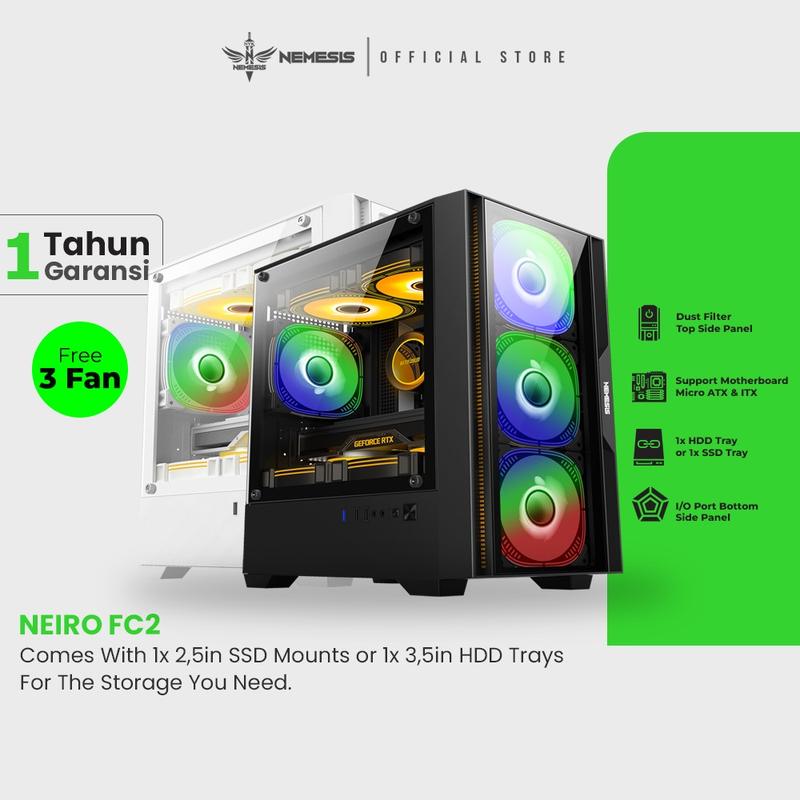

11 Best Micro ATX Cases For Compact Gaming Builds June 2026 Expert Best Micro ATX Cases For Compact Gaming Builds 1024x559 . Seeking The Best Micro ATX Cases For Your Build Best Case For RTX 5090 In 2025 Our Top Choices . ATX Vs Micro ATX Vs Mini ITX The Motherboard Form Factor Guide For 3.5 1024x572 . Best Micro ATX Case 2026 Top Picks 430655dd 3c61 46bb 8707 . Compact Cases 51n2VBhC ML


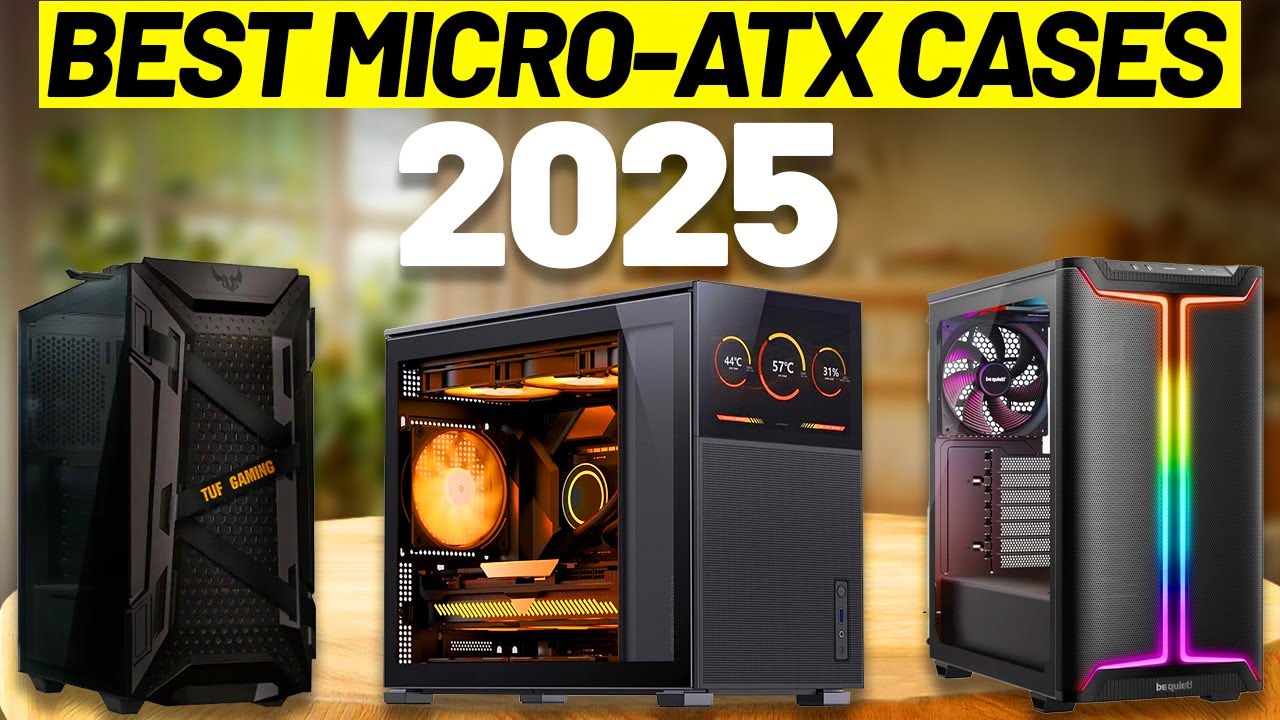
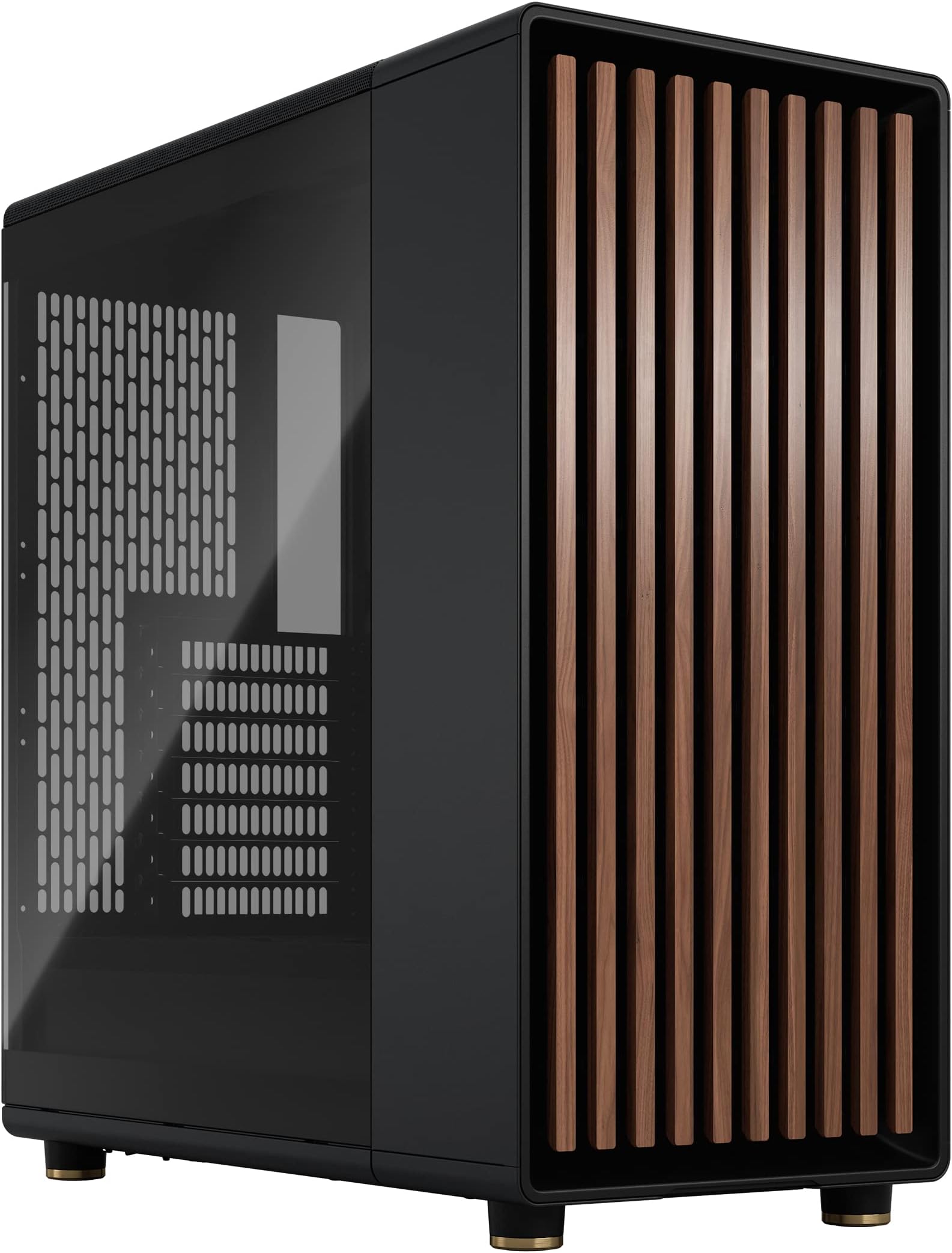

Amazon Com SAMA 2851M MATX Case Mid Tower Computer Case With 4 ARGB AC . CORSAIR Launches 2800X RS R ARGB Micro ATX Case Gadget Voize Thermaltake Introduces The CAPO X Dual System Chassis 1536x1536 . Best Micro ATX Cases 2026 Don T Buy One Before Watching This YouTube . Amazon Com Lian Li A3 MATX WD 26 3L Micro Form Factor Chassis No Fans AC . ATX Micro ATX Or Mini ITX Choosing The Right Motherboard Form Factor 9.3 1024x572