Many gamers wonder if using a VPN will cripple their online performance. This comprehensive guide dives deep into the common question, "do VPNs slow down gaming?", offering practical insights and solutions for busy US gamers. We explore how VPNs impact speed, when they might actually help, and essential tips to optimize your setup. Discover the truth about VPNs for gaming, from reducing ping in certain scenarios to protecting your privacy and bypassing geo-restrictions, all while maintaining a smooth gameplay experience. For gamers balancing work, family, and precious playtime, understanding this balance is key to unlocking the full potential of your online adventures without unnecessary lag or frustration. Learn how to choose the right VPN, configure it for speed, and enjoy secure, uninterrupted gaming sessions.
Q: What exactly causes a VPN to slow down my game?
A: A VPN can slow down gaming due to two main factors: encryption overhead and increased data travel distance. Encryption adds processing time, making your data harder to read but also slightly slower to transmit. Moreover, your internet traffic takes a detour through the VPN server before reaching the game server, adding physical distance and hops, which directly increases latency, commonly known as ping.
Q: Can choosing a closer VPN server really make a difference for ping?
A: Absolutely, choosing a VPN server that is geographically close to both you and the game server you're connecting to is one of the most significant ways to reduce latency. The shorter the physical distance your data has to travel, the less time it takes, directly impacting your ping. Always aim for servers in the same region or country as your game server for optimal results.
Q: Are there specific VPN protocols that are better for gaming speed?
A: Yes, certain VPN protocols are indeed better for gaming speed. WireGuard is currently considered the fastest due to its modern, lightweight design. OpenVPN (UDP) is another excellent choice, offering a good balance of speed and strong security. You should generally avoid OpenVPN (TCP) and L2TP/IPSec for gaming, as they tend to be slower due to higher overhead and more robust error correction, which isn't ideal for real-time applications like games.
Q: How do I test if my VPN is impacting my gaming performance?
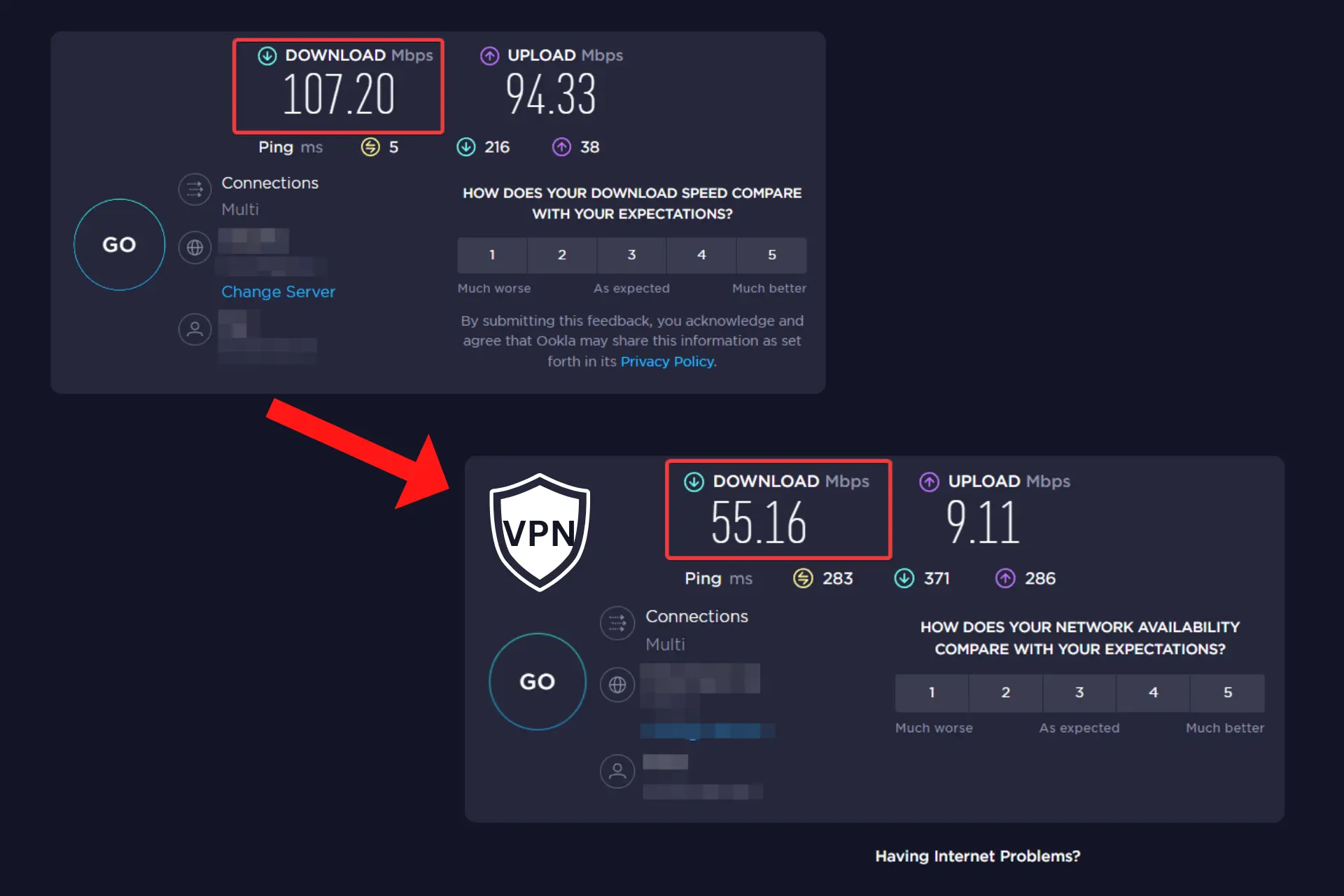
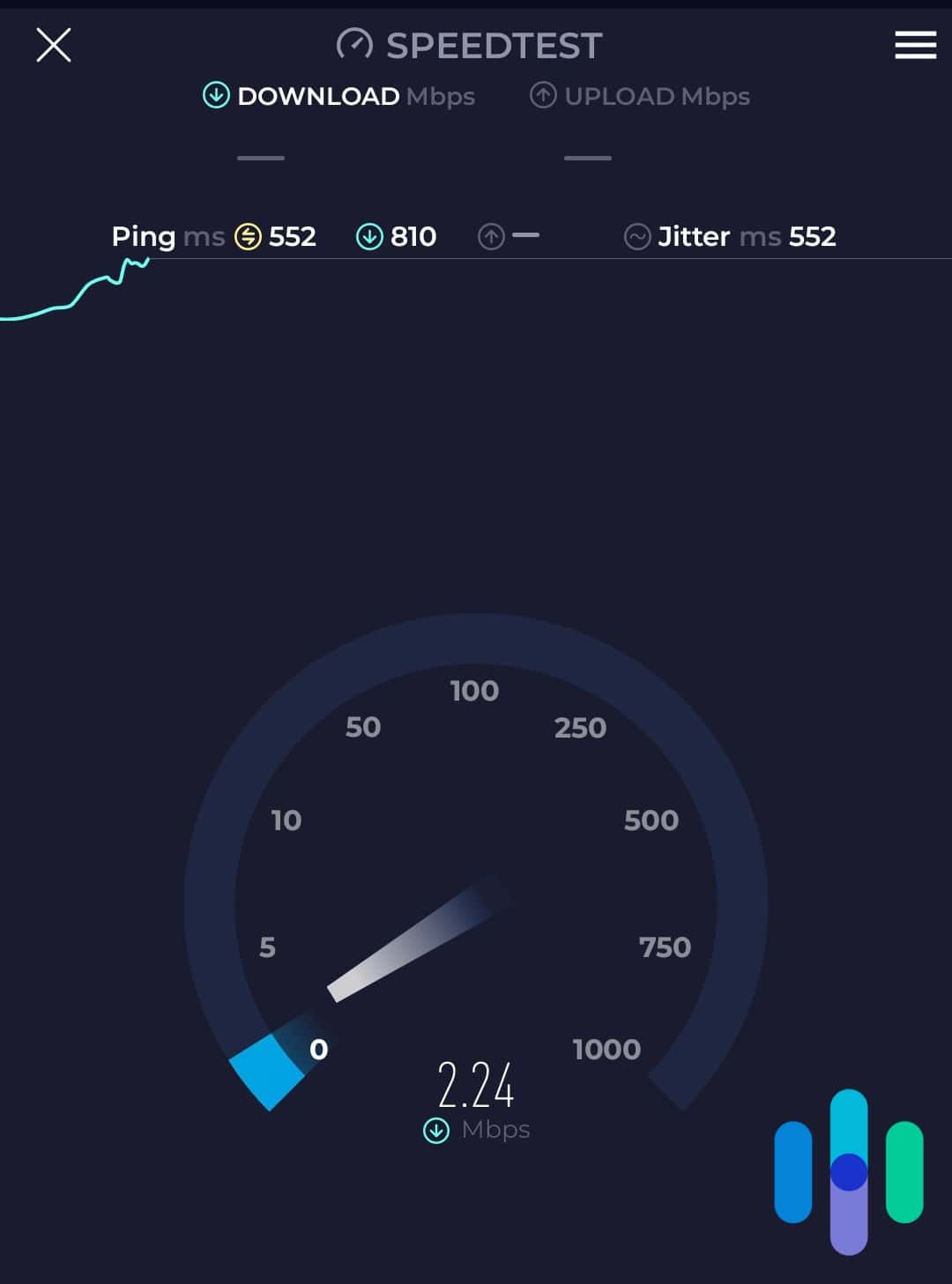
A: To accurately test VPN impact, first run a speed test (e.g., using Ookla Speedtest) and check your in-game ping without the VPN active. Then, connect to your chosen VPN server and repeat both tests. Compare the download/upload speeds and, crucially, your in-game ping. A significant increase in ping or a substantial drop in speed indicates the VPN is affecting performance. Many games display ping directly in their UI.
Q: When should I *not* use a VPN for gaming?
A: You should generally avoid using a VPN for highly competitive online gaming or esports where every millisecond of latency matters, as even the best VPNs introduce some overhead. Also, if your primary goal is just general browsing and you're not concerned with geo-restrictions or specific security threats, bypassing the VPN for direct connection might yield slightly better speeds. If your base internet is already slow, a VPN will likely make it even worse for gaming.
Q: Can a VPN protect me from DDoS attacks while I'm gaming online?
A: Yes, a VPN can effectively protect you from Distributed Denial of Service (DDoS) attacks while gaming online. By routing your connection through the VPN server, your true IP address is hidden from other players. Attackers would target the VPN server's IP instead of your personal IP, making it much harder for them to disrupt your individual connection and kick you offline during a match or stream.
Q: What features should a gamer look for in a premium VPN service?
A: For gamers, essential VPN features include a vast network of high-speed servers (especially in gaming regions), support for fast protocols like WireGuard, a strict no-logs policy for privacy, and robust DDoS protection. Split tunneling is also valuable, allowing you to route only game traffic through the VPN. Additionally, look for broad device compatibility, including router support for consoles, and positive reviews regarding gaming performance.
Hey fellow gamers! We all know that feeling: you finally carve out some time after work, family duties, or tackling life's daily grind to dive into your favorite game. Whether you're unwinding with a cozy social sim, battling it out in a competitive shooter, or exploring a vast open world, you want a smooth, lag-free experience. Nothing's worse than that frustrating stutter or disconnect that pulls you right out of the action. With 87% of US gamers regularly dedicating 10+ hours a week to gaming, mostly balancing it with adult responsibilities, performance and reliability are paramount. But what about VPNs? You've heard they boost security and unlock region-locked content, but the big question looms: do VPNs slow down gaming?
It's a valid concern. Adding an extra step to your internet connection sounds like a recipe for latency nightmares. However, the answer isn't a simple yes or no. In this guide, we're going to break down exactly how VPNs work, when they might impact your speeds, and — crucially — how you can use them smartly to potentially even improve your gaming experience or at least maintain peak performance while enjoying their benefits. We'll cut through the hype and get straight to the practical advice so you can make informed decisions and get back to what you love: gaming without a hitch. Let's optimize your connection!
What Exactly Is a VPN and How Does It Affect My Internet Connection?
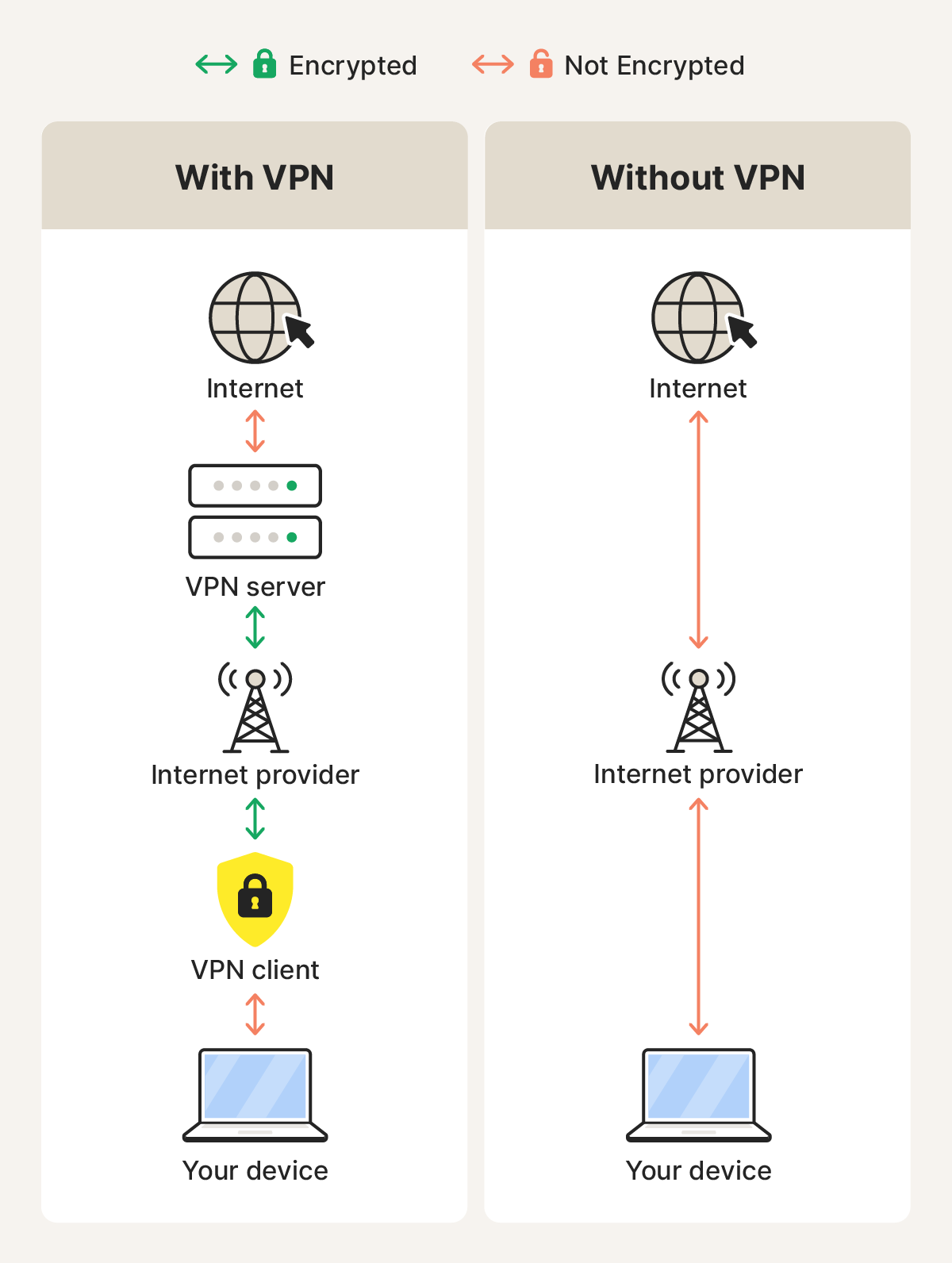
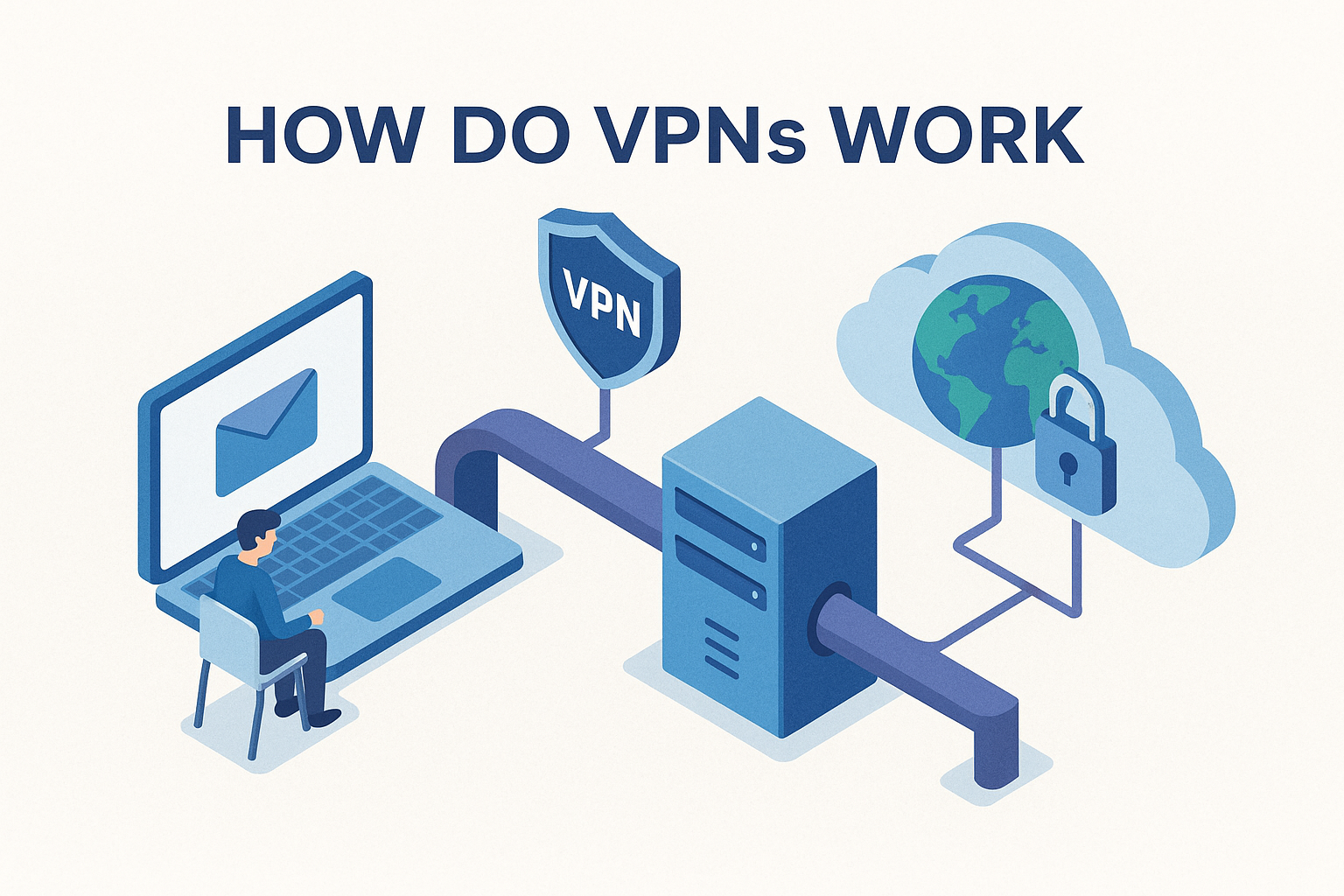
A Virtual Private Network, or VPN, creates a secure, encrypted tunnel between your device and a server operated by the VPN provider. Instead of connecting directly to the game server, your internet traffic first goes to the VPN server, then to its final destination. This process encrypts your data, hides your real IP address, and makes it appear as if you're browsing from the VPN server's location. Think of it like taking a detour through a secure, private road before joining the main highway.
This rerouting and encryption are exactly why gamers worry about speed. Every step data takes, and every process it undergoes, adds a tiny bit of time. This added time is known as latency or ping, and in fast-paced online games, every millisecond counts. However, the impact varies significantly based on factors we'll explore next.
Do VPNs Always Slow Down Gaming Performance?
Not always, but often. The short answer is that a VPN *can* introduce latency and reduce bandwidth, leading to slower download speeds and higher ping. This is a natural consequence of the encryption process and the added distance your data has to travel to the VPN server and then to the game server. Imagine adding an extra stop on a cross-country trip; it's going to take longer.
However, the degree of slowdown isn't universal. A high-quality VPN with optimized servers and modern protocols might have a negligible impact on your connection, especially if you choose a server geographically close to you. For some users, a VPN might even surprisingly *reduce* ping by providing a more direct or less congested route to certain game servers, bypassing slow internet service provider (ISP) routing.
When Can a VPN Actually Improve My Gaming Experience?
While often associated with slowdowns, VPNs can genuinely enhance your gaming in specific situations:
- Bypassing ISP Throttling: Some ISPs intentionally slow down (throttle) your internet connection when they detect high-bandwidth activities like gaming or streaming. A VPN encrypts your traffic, making it unreadable to your ISP, preventing them from identifying and throttling your gaming data.
- Reducing Ping on Suboptimal Routes: Sometimes, your ISP's default routing to a game server is inefficient, taking a long, winding path. A VPN can sometimes find a more direct, faster route, inadvertently lowering your ping. This is more common for players connecting to distant servers.
- DDoS Protection: For competitive gamers or streamers, DDoS (Distributed Denial of Service) attacks are a real threat. A VPN hides your true IP address, making it much harder for attackers to target your connection. This month, with the rise of social gaming, ensuring connection stability is more important than ever.
- Accessing Geo-Restricted Games or Servers: Want to play a game not yet released in your region, or access servers in another country to play with friends? A VPN makes it appear as if you're in a different location, unlocking new content and communities.
- Playing on Public Wi-Fi Safely: If you're gaming on the go using public Wi-Fi, a VPN encrypts your data, protecting you from potential hackers on unsecured networks.
How Can I Minimize Lag When Gaming with a VPN?
You can absolutely game with a VPN without constantly battling lag. Here's how:
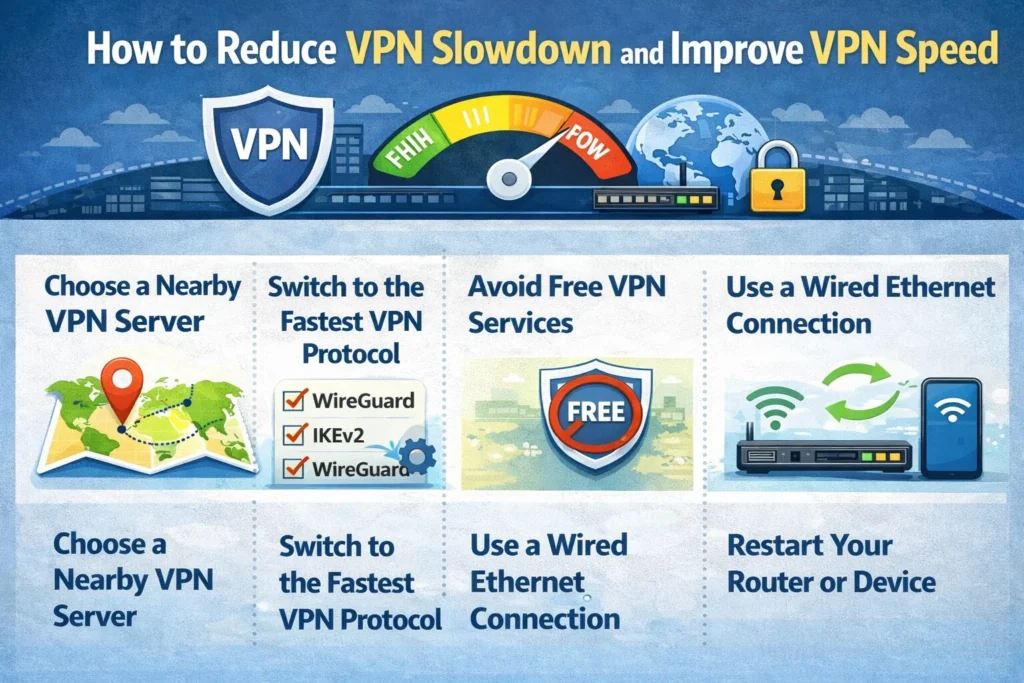
- Choose a Reputable, Fast VPN: This is step one. Free VPNs often have slow servers and bandwidth caps. Invest in a premium VPN known for speed and gaming optimization.
- Select a Server Close to You AND the Game Server: This is crucial. If you're in New York and playing on an East Coast US server, pick a VPN server in New York or a nearby state. If you're playing on a European server, pick a VPN server in a European country close to that game server. Minimizing physical distance reduces latency.
- Use a Lightweight VPN Protocol: Some protocols are faster than others. WireGuard and OpenVPN (UDP) are generally excellent choices for speed, while OpenVPN (TCP) and L2TP/IPSec can be slower due to heavier encryption or overhead. Check your VPN's settings.
- Ensure High-Speed Base Internet: A VPN won't make a slow internet connection fast. Make sure your base internet speed is robust enough for gaming without a VPN first.
- Use a Wired Connection (Ethernet): Wi-Fi introduces its own latency and instability. For critical gaming, an Ethernet cable directly to your router is always superior.
- Split Tunneling: If your VPN offers it, use split tunneling to route only your game traffic through the VPN, leaving other applications to use your regular internet connection. This can save bandwidth and reduce potential conflicts.
- Check VPN Server Load: Some VPN providers allow you to see server load. A less crowded server will generally offer better performance.
Which VPN Features Are Essential for Gamers?
When picking a VPN for your gaming needs, look for these features:
- Large Server Network: More servers mean more options to find a fast, close connection to both you and your game server.
- High-Speed Protocols: Support for WireGuard, IKEv2, or optimized OpenVPN UDP.
- No-Logs Policy: Ensures your online activities aren't recorded, boosting privacy.
- DDoS Protection: A must-have for competitive players and streamers.
- Split Tunneling: Gives you granular control over what traffic goes through the VPN.
- Dedicated Gaming Servers: Some VPNs offer servers specifically optimized for low latency gaming.
- Broad Device Compatibility: Works across PC, consoles (via router), and mobile.
Are Free VPNs a Good Option for Gaming?
Simply put, no. While tempting, free VPNs typically come with significant drawbacks that make them unsuitable for gaming. They often have:
- Slow Speeds: Limited bandwidth, overcrowded servers, and older protocols lead to crippling lag.
- Data Caps: Most free VPNs impose data limits, cutting off your game mid-session.
- Fewer Server Locations: Restricting your ability to find a close, fast server.
- Security Risks: Many free VPNs log and sell your data, or even inject malware. Your privacy is often the product.
For a reliable, fast, and secure gaming experience, investing in a reputable paid VPN is almost always the better choice. The peace of mind and performance gains are well worth it.
Can a VPN Help Me Bypass Geo-Restrictions and Play Region-Locked Games?
Absolutely, this is one of the primary non-security benefits of a VPN for many gamers! If a game or a specific game server is only available in certain regions, connecting to a VPN server in that country can trick the system into thinking you're located there. This allows you to:
- Access early game releases: Play games a few days or weeks before their official launch in your region.
- Join specific regional servers: Connect with friends in other countries or participate in regional esports events.
- Bypass content censorship: Access games or in-game content that might be restricted in your geographical location.
This is especially useful for a global community of gamers who want to stay current with popular titles and social play, regardless of where they are physically located.
How Do I Set Up a VPN for My PC, Console, or Mobile Gaming?
Setting up a VPN for gaming is generally straightforward:
For PC:
- Download and Install: Download the VPN client from your chosen provider's website.
- Log In: Enter your credentials.
- Choose Server: Select a server location that optimizes ping (close to you and the game server).
- Connect: Click connect, and you're good to go.
For Consoles (PlayStation, Xbox, Switch):
Consoles don't natively support VPN apps. You'll need to set up the VPN on your router:
- Check Router Compatibility: Ensure your router supports VPN client software (often requires flashing custom firmware like DD-WRT or OpenWRT).
- Configure VPN on Router: Follow your VPN provider's specific instructions to set up the VPN directly on your router.
- Connect Console: Once configured, all devices connected to that router (including your console) will be routed through the VPN.
For Mobile Gaming:
- Download App: Get the VPN app from your device's app store (Google Play for Android, App Store for iOS).
- Log In: Enter your account details.
- Select Server & Connect: Similar to PC, choose your server and connect.
Always remember to test your connection after setup to ensure optimal performance.
What Are the Security Benefits of Using a VPN While Gaming?
Beyond performance, the security aspects of VPNs are a huge draw for gamers, especially those who balance online activity with personal and professional lives. A VPN provides several critical security advantages:
- IP Address Masking: Your true IP address is hidden, making it harder for others to track your online activity or identify your physical location. This is crucial for privacy.
- DDoS Attack Prevention: If you're a streamer or a competitive player, you're a potential target for DDoS attacks, which can kick you offline. A VPN shields your actual IP, making it nearly impossible for attackers to target your home network.
- Data Encryption: All your gaming data is encrypted, protecting it from snooping by your ISP, government agencies, or malicious actors on public Wi-Fi networks. This is vital for protecting personal information and ensuring your online interactions remain private.
- Bypassing Network Restrictions: Sometimes, school or work networks block gaming sites or servers. A VPN can circumvent these restrictions, allowing you to game during downtime if permitted.
For gamers who value privacy and security as much as a low ping, a VPN offers a robust layer of protection in an increasingly connected world.
Should I Use a VPN for Competitive Online Gaming?
This is where it gets tricky. For casual gaming, experimenting with a VPN to bypass throttling or access content is fine. However, for highly competitive online gaming, the default answer is often 'no' unless you have a very specific reason and a top-tier VPN. The primary reason is latency.
Even the best VPNs will add *some* overhead, however minimal, compared to a direct connection. In esports or ranked matches where every millisecond affects reaction time, this small increase in ping can be the difference between a win and a loss. Furthermore, some anti-cheat systems might flag VPN usage, though this is rare with reputable services. If you're a professional or aspiring pro, a direct, optimized connection is almost always preferred for peak performance.
That said, if you're experiencing ISP throttling that consistently gives you worse ping than a VPN can achieve, or if you need DDoS protection against targeted attacks, then a VPN might be a strategic choice. Always test thoroughly and ensure your VPN provider is reputable and has a good track record with competitive gaming.
Conclusion
So, do VPNs slow down gaming? The honest answer is: it depends. While a VPN inherently adds a step that can introduce latency, a high-quality VPN, used strategically, can often minimize this impact and even offer benefits like bypassing throttling, improving routing, or providing essential security. For the average gamer juggling work, family, and a love for online worlds, a VPN offers a powerful tool to enhance your experience, whether it's for privacy, access, or protection.
Remember to choose wisely, optimize your settings, and always prioritize a stable, low-latency connection. Your gaming time is precious – make the most of it! What's your biggest gaming challenge when it comes to connection issues? Comment below and let's find solutions together!
FAQ Section
Can a VPN improve my ping if I'm connecting to a very distant server?
Sometimes, yes. If your ISP's default route to a distant game server is inefficient or congested, a VPN can sometimes provide a more direct, optimized path, potentially resulting in lower ping. It's not a guarantee, but it's worth testing with a quality VPN.
Will using a VPN get me banned from online games?
Generally, no. Most game developers don't have a specific policy against VPNs, as many use them for privacy or to bypass ISP throttling. However, using a VPN to exploit regional pricing or to cheat can lead to a ban. Always check the game's terms of service.
What's the best VPN protocol for gaming speed?
WireGuard is widely considered the fastest and most efficient VPN protocol for gaming due to its modern cryptography and lighter codebase. OpenVPN (UDP) is also a strong contender, offering a good balance of speed and security. Avoid OpenVPN (TCP) if speed is your priority.
Should I use a VPN on my router or directly on my PC/mobile?
For PC and mobile, installing the VPN app directly is usually sufficient and simpler. For consoles, router-level VPN setup is necessary. Setting up on a router protects all devices on your network but can be more complex and might not allow per-device control unless configured carefully.
How can I tell if my VPN is actually slowing down my game?
Run speed tests (e.g., Ookla Speedtest) both with and without the VPN connected to compare raw speeds. More importantly, check your in-game ping (latency) or use network diagnostic tools while playing. A significant, consistent increase in ping when the VPN is active indicates a slowdown.
Is a dedicated IP address beneficial for gaming with a VPN?
A dedicated IP can be beneficial as it means you're not sharing an IP with hundreds of other users, which can reduce server congestion and potentially avoid IP blacklisting by game servers. However, it doesn't inherently make your connection faster than a standard VPN server.
What is split tunneling and how can it help my gaming VPN setup?
Split tunneling allows you to choose which applications or websites use the VPN connection and which bypass it. For gaming, you can route only your game through the VPN for specific benefits (like geo-unblocking), while your browser and other apps use your regular internet, maximizing efficiency and minimizing potential speed impacts on non-critical traffic.
VPNs can introduce latency due to encryption and server distance. Quality VPNs with optimized servers can minimize speed reduction. In some cases, VPNs can reduce ping by rerouting traffic. Key factors include server location, VPN protocol, and internet speed. VPNs offer security benefits like DDoS protection and privacy. They also enable geo-unblocking for games and content. Optimizing involves choosing close servers and using lightweight protocols. Not all VPNs are created equal for gaming performance.
35

Best VPN For Gaming In 2026 Reduce Lag Play Safely VPN Gaming . OpenVPN 2026 Guide How It Works Security Setup X VPN Does Vpn Slow Down Internet . Does A VPN Slow Down Your Internet 30 VPNs Tested 2026 VPN Speed Loss Fastest Vs Slowest VPNs 2026 Scaled . Does A VPN Slow Down Gaming Not If You Play Your Cards Right Does VPN Slow Down Gaming . Tor Vs VPN Which Privacy Tool Do You Actually Need In 2026 X VPN Tor Vpn


How To Reduce VPN Latency And Boost Internet Speed 2026 Does A VPN Slow Down Your Internet Speed . Does A VPN Slow Down Your Wi Fi Internet Speed What To Do About It Does VPN Slow Wi Fi . How Does A VPN Slow Down Your Internet How To Improve It How Does A VPN Slow Down Your. Does VPN Slow Down Internet Speed On Windows 11 7 Ways To Fix It Does VPN Slow Down Internet Speed 1024x682 . Does A VPN Slow Down Your Internet Proton VPN Proton VPN Image


Does A VPN Slow Down Your Internet Tips To Prevent Speed Drop Image Of NordVPN On PC And Mobile Devices 768x435 . The Best VPNs For Gaming In 2026. Does VPN Slow Down Internet Speed On Windows 11 7 Ways To Fix It Internet Speed Test 768x465 . Best 5 Xbox Cloud Gaming VPNs Boost Speed Security And Fun Best VPNs For GameLoop . Does A VPN Slow Down Your Internet How To Speed It Back Up Does Vpn Slow Down Internet 01


How Much Does A VPN Slow Down Internet Speed Speed. Does A VPN Slow Down Your Internet Here S Why Vpn Slow Down Internet . Does VPN Slow Down Internet What You Need To Know Compare Internet ISG In Article Image Template 1 7 . Fix VPN Slowing Down Internet Speed Vpnspeed 1.webp. Does A VPN Slow Down Your Internet Tips To Prevent Speed Drop Image Of PIA On PC And Mobile Devices 768x435



Do VPNs Use Data VPN Data Consumption Celluar Usage Security Org ISP Throttling Can Slow Your Internet Down To Unusable Speeds . Does A VPN Slow Down Your Internet How To Speed It Back Up Does Vpn Slow Down Internet 02 . Does A VPN Slow Down Your Internet How To Speed It Back Up Does Vpn Slow Down Internet Hero . The Fastest VPNs Of 2026 Com Vpn Woman At Computer Screen 1 . Does A VPN Slow Down Streaming What To Expect In Real Life VPNexp ChatGPT Image Jan 9 2026 09 13 24 PM



3 Best VPN For Gaming In India 2026 Real Ping Tests Kripesh Adwani Key Factors For Choosing A Gaming VPN In India 300x169 . Does A VPN Make Your Internet Faster Or Slower 2026 CTA VPN 2 EN 1 . Does A VPN Slow Down Your Internet Proton VPN Image. What Does GPU Stand For Types Uses Explained How Do Vpns Work . Does A VPN Slow Down Your Internet And Why X VPN Does Vpn Slow Down Internet 4


Does A VPN Slow Down Your Internet And Why X VPN Does Vpn Slow Down Internet 3 . Top 9 Methods To Speed Up Your Internet When Using A VPN The 9 Best Methods To Speed Up Your Internet When Using A Vpn Featured . ESIM Network Basics Does A VPN Slow Down ESIM Data In Japan WG Auto Image 1771923569 . ESIM Network Basics Does A VPN Slow Down ESIM Data In Japan WG Auto Image 1771923624 . Top VPNs For Online Gaming In 2025 Acer Corner Top Vpns For Online Gaming In 2025