Discover the ideal amount of gaming per day to maintain a balanced lifestyle and healthy habits. This detailed guide, created for the USA audience, explores what constitutes moderate gaming versus excessive screen time. Learn about the benefits of mindful play, common risks associated with too much gaming daily, and practical strategies to find your perfect balance. We discuss the impact of gaming on sleep, academic performance, social connections, and mental well-being, providing actionable advice for gamers of all ages. Whether you are a casual player or a dedicated enthusiast, understanding how much gaming per day truly supports your overall health is crucial. Dive into expert recommendations, useful tips for setting limits, and insights on recognizing the signs of unhealthy gaming patterns. This resource provides valuable information to help you optimize your gaming experience without compromising other important aspects of your life.
- What is a healthy amount of gaming daily for adults? - For adults, a healthy amount often means 1 to 2 hours on weekdays. The main idea is that it should not interfere with work, sleep, relationships, or personal responsibilities. Flexibility for weekends is common, as long as balance is maintained.
- How does excessive gaming impact sleep patterns? - Excessive gaming, especially before bed, can disrupt sleep patterns. The blue light from screens suppresses melatonin production, making it harder to fall asleep. Additionally, the mental stimulation from intense games can keep the brain active, delaying restful sleep.
- Can video games improve cognitive skills? - Yes, moderate video gaming can enhance several cognitive skills. Games often require problem-solving, strategic thinking, and quick decision-making. They can improve reaction time, hand-eye coordination, and spatial awareness, benefiting mental agility when played in balance.
- What are the physical risks of too much daily gaming? - Too much daily gaming can lead to physical risks such as a sedentary lifestyle, contributing to obesity or back pain. Eye strain, wrist pain (carpal tunnel syndrome), and poor posture are also common. Regular breaks and exercise are essential to mitigate these risks.
- How can I set effective daily gaming limits for myself? - To set effective daily gaming limits, use alarms or timers for your sessions. Utilize built-in console or PC screen time tools. Schedule gaming as a reward after completing other tasks. Involving a family member for accountability can also be a helpful strategy for consistency.
- Is it possible for gaming to be considered a healthy hobby? - Absolutely, gaming can be a healthy hobby when approached with balance and moderation. It offers stress relief, mental stimulation, and social connection. When integrated alongside other activities like exercise, social outings, and responsibilities, it contributes positively to overall well-being.
- How do I know if my gaming habits are becoming unhealthy? - Your gaming habits might be unhealthy if they interfere with sleep, work, school, or personal hygiene. Other signs include neglecting real-life relationships, feeling irritable when not playing, or experiencing a decline in interest in other hobbies. Awareness is the first step.
How much gaming is too much for an adult?
For adults, gaming becomes excessive when it regularly interferes with work, relationships, sleep, or personal hygiene. While 1-2 hours on weekdays is a common guideline, the true measure is the negative impact on your life. If gaming causes problems, it's likely too much.
What happens if you play too many video games?
Playing too many video games can lead to physical issues like eye strain, sedentary lifestyle, and poor sleep. Mentally, it may cause irritability, anxiety, or difficulties concentrating. Socially, it can strain real-world relationships and reduce participation in other life activities.
Is 4 hours of gaming a day too much?
For some, 4 hours of gaming a day might be excessive if it consistently replaces essential activities like work, school, exercise, or social interactions. For others, particularly on weekends or if it's a core hobby not causing harm, it could be manageable. Personal impact is key.
What are healthy gaming limits for teenagers?
Healthy gaming limits for teenagers typically range from 1 to 2 hours per day on school nights, with some flexibility on weekends. It's crucial that gaming doesn't interfere with homework, sleep, family time, or physical activity. Parental guidance and open communication are essential.
Can gaming affect mental health positively?
Yes, gaming can positively affect mental health. Moderate play can improve problem-solving skills, reduce stress, and foster social connections through multiplayer interactions. It provides a sense of accomplishment and a valuable outlet for relaxation, contributing to overall well-being when balanced.
How Much Gaming Per Day Is a Healthy Amount?
Many gamers wonder about the right balance. Playing video games can be incredibly enjoyable, offering relaxation, challenge, and social connection. However, knowing exactly how much gaming per day is healthy remains a common question. This guide explores the sweet spot for daily playtime, helping you strike a positive balance between your digital adventures and real-world responsibilities.
Finding a healthy amount of gaming isn't just about limiting screen time; it's about understanding how gaming fits into your life. The optimal duration varies greatly from person to person, depending on age, lifestyle, and individual circumstances. We will explore various factors that influence what constitutes a balanced gaming routine.
Ultimately, the goal is to enjoy gaming without it negatively affecting other important aspects of your well-being. This includes physical health, mental clarity, relationships, and academic or professional performance. We will provide practical tips and insights to help you manage your daily play effectively.
Understanding the Benefits of Moderate Gaming
Playing video games in moderation offers several significant advantages. Many titles enhance cognitive skills such as problem-solving, strategic thinking, and hand-eye coordination. Puzzle games, real-time strategies, and even action-packed adventures can sharpen your mind and improve reaction times. This mental workout can translate into benefits in other areas of life.
Furthermore, gaming can be a powerful tool for stress relief and social connection. Multiplayer games allow friends to connect, cooperate, and compete, fostering strong bonds regardless of physical distance. A quick gaming session after a long day can provide a much-needed break, helping players unwind and recharge their mental batteries. It serves as a creative outlet for many, offering a sense of accomplishment.
Beyond entertainment, some games offer educational content or promote physical activity through motion controls. Even traditional gaming can lead to learning about history, culture, or complex systems, depending on the game's theme. A balanced approach ensures you reap these benefits without falling into negative patterns.
Recognizing the Risks of Excessive Gaming
While moderate gaming has its perks, spending too much time gaming daily can lead to several challenges. One primary concern is the impact on physical health. Prolonged sitting can contribute to sedentary lifestyles, increasing risks of obesity, back pain, and eye strain. Neglecting physical activity for gaming can reduce overall fitness levels.
Mentally, excessive gaming might contribute to sleep disturbances, particularly when playing late into the night. The blue light from screens interferes with natural sleep cycles, making it harder to fall asleep. Additionally, some individuals experience heightened anxiety, irritability, or difficulty concentrating on other tasks when gaming becomes their primary focus. Maintaining a healthy outlook often requires diverse activities.
Socially, overdoing gaming can strain real-world relationships. Players might prioritize virtual interactions over family time, school, or work commitments. This can lead to feelings of isolation from non-gaming friends and family. A balanced life requires a mix of digital and in-person connections.
How to Determine Your Healthy Gaming Limit
So, what is a good amount of gaming per day? There isn't a universal answer, but general guidelines exist. For adults, many experts suggest aiming for 1-2 hours of gaming on weekdays and slightly more on weekends, provided it doesn't interfere with other responsibilities. Adolescents might benefit from similar limits, coupled with strict supervision to ensure academic and social development remains on track.
A useful approach is to consider your personal circumstances. Are you maintaining good grades? Are you performing well at work? Do you get enough sleep? Are you spending quality time with family and friends? If the answer to these questions is generally yes, then your current gaming habits might be healthy. It is about fitting gaming into life, not fitting life around gaming.
It is important to set boundaries that work for you. Some find success by scheduling specific gaming times, treating it like any other hobby or appointment. Others prefer using built-in console or PC tools to track and limit screen time. Regular self-assessment helps in adjusting these limits as needed.
Signs You Might Be Gaming Too Much
Identifying when your gaming habits cross into unhealthy territory is key for intervention. One significant sign is neglecting basic needs like eating, sleeping, or personal hygiene to continue playing. If you consistently skip meals or cut into sleep time for gaming, it's a clear indicator of an issue.
Another red flag is a decline in performance in other areas of life. This could manifest as falling grades at school, reduced productivity at work, or a loss of interest in once-loved hobbies. If you find yourself frequently late or absent from commitments because of gaming, it might be time to reassess your daily habits.
Emotional changes can also point to excessive gaming. Increased irritability, anxiety, or restlessness when not playing, or feeling defensive when confronted about gaming habits, are common signs. Friends or family expressing concern is often a strong indicator that something needs adjustment. Acknowledging these signs is the first step toward regaining control.
Tips for Building Healthier Gaming Habits
Set Clear Time Limits for Each Session
Establish specific start and end times for your gaming sessions. Use alarms or timers to help you stick to these limits. For example, decide to play for an hour after dinner and then switch off your device. This creates a structured routine, making it easier to manage your total daily playtime effectively. Consistency is vital in forming new habits.
Many gaming consoles and PC operating systems offer built-in parental controls or screen time management tools. Utilize these features to automatically enforce your set limits. This removes the temptation to play just a little longer, as the system will gently remind you when your time is up. Involving a family member to help manage these settings can also add an extra layer of accountability.
Consider scheduling gaming as a reward after completing other tasks, rather than an immediate default activity. Finishing homework, household chores, or work assignments first can make your gaming sessions feel more earned and enjoyable. This practice also reinforces the idea that gaming is part of a balanced daily routine, not the sole focus.
Integrate Breaks and Other Activities
Regular breaks are crucial, even within your designated gaming time. Aim for a 5-10 minute break every hour to stretch, walk around, or look away from the screen. This helps reduce eye strain and prevents prolonged periods of inactivity. Use these breaks to hydrate or grab a healthy snack.
Actively schedule non-gaming activities into your day. This could include exercise, spending time outdoors, reading a book, pursuing other hobbies, or socializing with friends and family in person. The key is to diversify your daily routine, ensuring gaming doesn't become the only source of entertainment or social interaction. Balance is the foundation of well-being.
Exploring new interests outside of gaming can provide fresh perspectives and new forms of enjoyment. Joining a sports team, learning an instrument, or volunteering can introduce you to different communities and challenges. These activities enrich your life, making gaming one of many fulfilling pursuits, rather than an all-consuming one.
Prioritize Sleep and Physical Health
Adequate sleep is fundamental for physical and mental health. Ensure your gaming sessions do not interfere with your bedtime or sleep quality. Avoid playing high-intensity games right before bed, as the stimulation can make it harder to fall asleep. Establish a consistent sleep schedule, even on weekends, to regulate your body's natural rhythms.
Incorporate regular physical activity into your daily routine. This doesn't mean becoming a professional athlete; even a brisk 30-minute walk can make a significant difference. Physical exercise boosts mood, improves energy levels, and counteracts the sedentary nature of gaming. Find an activity you genuinely enjoy to make it sustainable.
Pay attention to your diet and hydration. Gaming can sometimes lead to unhealthy snacking or forgetting to drink enough water. Keep healthy snacks and a water bottle near your gaming setup to encourage better habits. A well-nourished body and mind perform better, both in-game and in life. Prioritizing these basic needs supports a healthier gaming lifestyle.
The Future of Healthy Gaming Habits
As technology progresses, the gaming landscape constantly evolves. We can expect more tools and resources designed to help players manage their screen time and promote healthy habits. Developers are becoming increasingly aware of player well-being, integrating features that encourage breaks or provide usage reports. This shift reflects a broader societal understanding of digital wellness.
Community initiatives and educational programs are also growing, offering support and guidance for gamers seeking balance. These platforms provide valuable insights into how much gaming per day contributes to overall life satisfaction. Learning from others' experiences and sharing personal strategies can create a supportive environment for positive change. The conversation around healthy gaming is becoming more open and constructive.
Ultimately, the responsibility for maintaining a healthy gaming routine lies with the individual. However, with increasing awareness, innovative tools, and supportive communities, achieving that balance becomes more attainable. The goal isn't to stop gaming entirely but to integrate it harmoniously into a fulfilling life. Embracing these evolving resources can empower gamers to make informed choices about their daily play.
healthy daily gaming limits, recommended gaming time, balancing gaming and life, signs of excessive gaming, benefits of moderate play, daily gaming schedule tips, setting screen time boundaries, gaming impact on well-being
35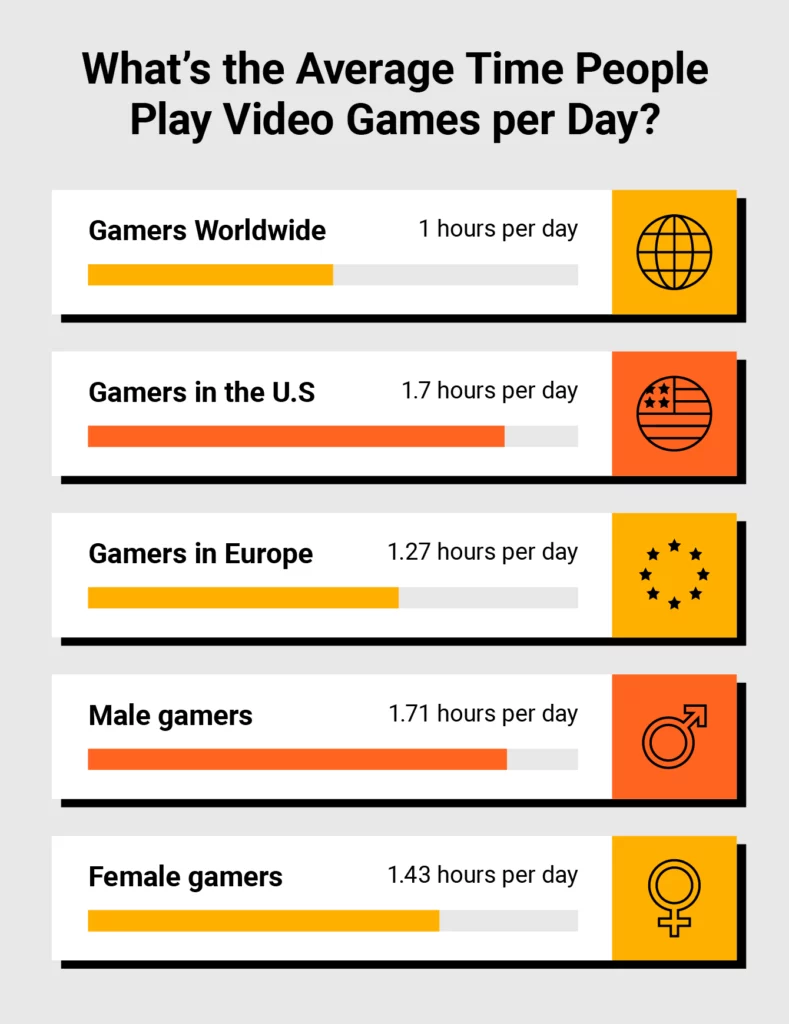
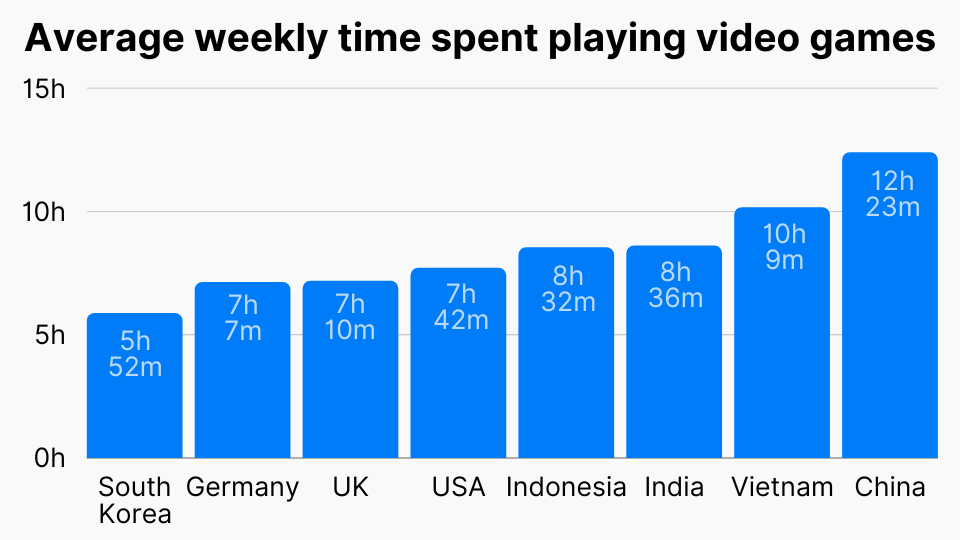

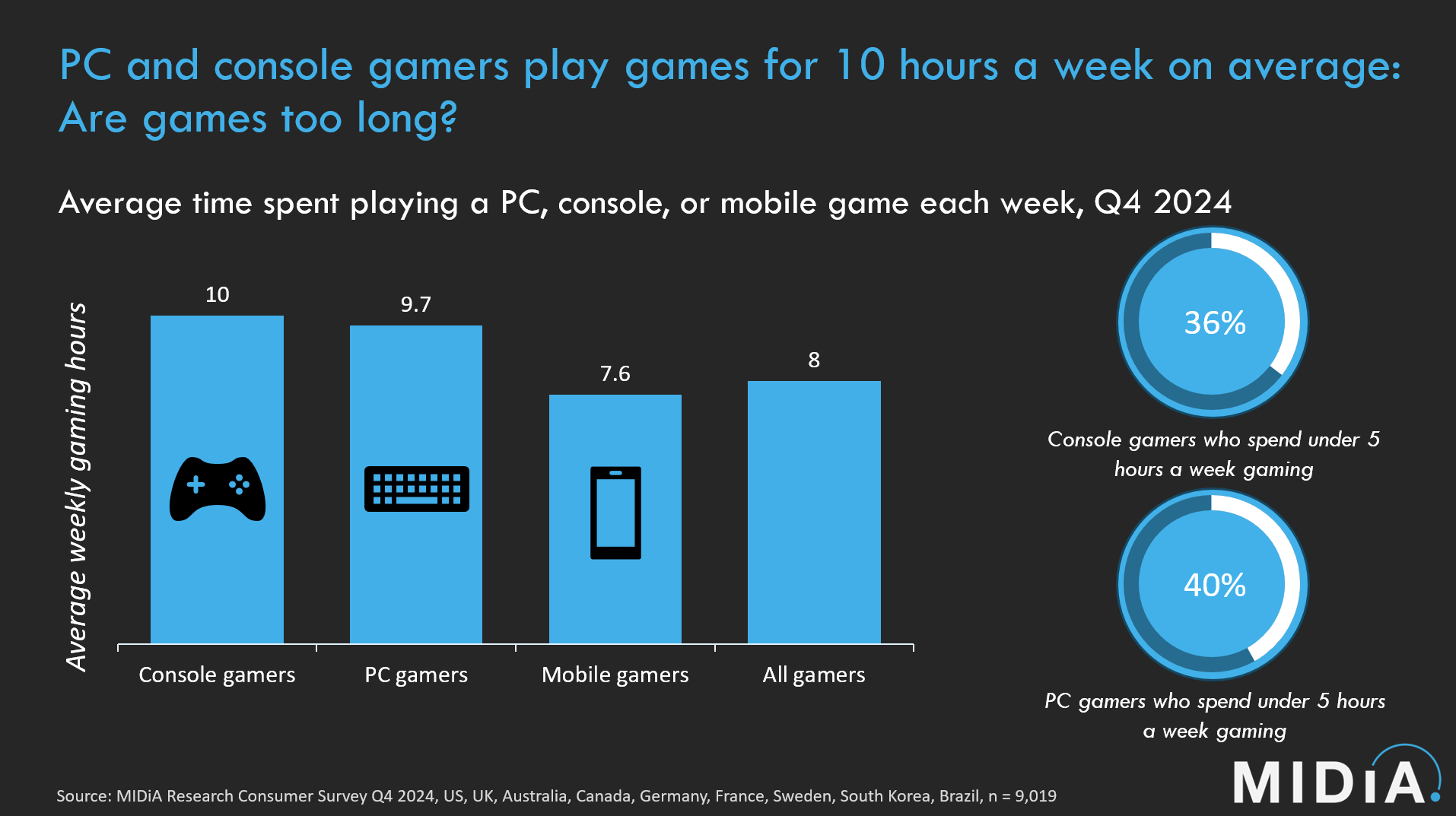
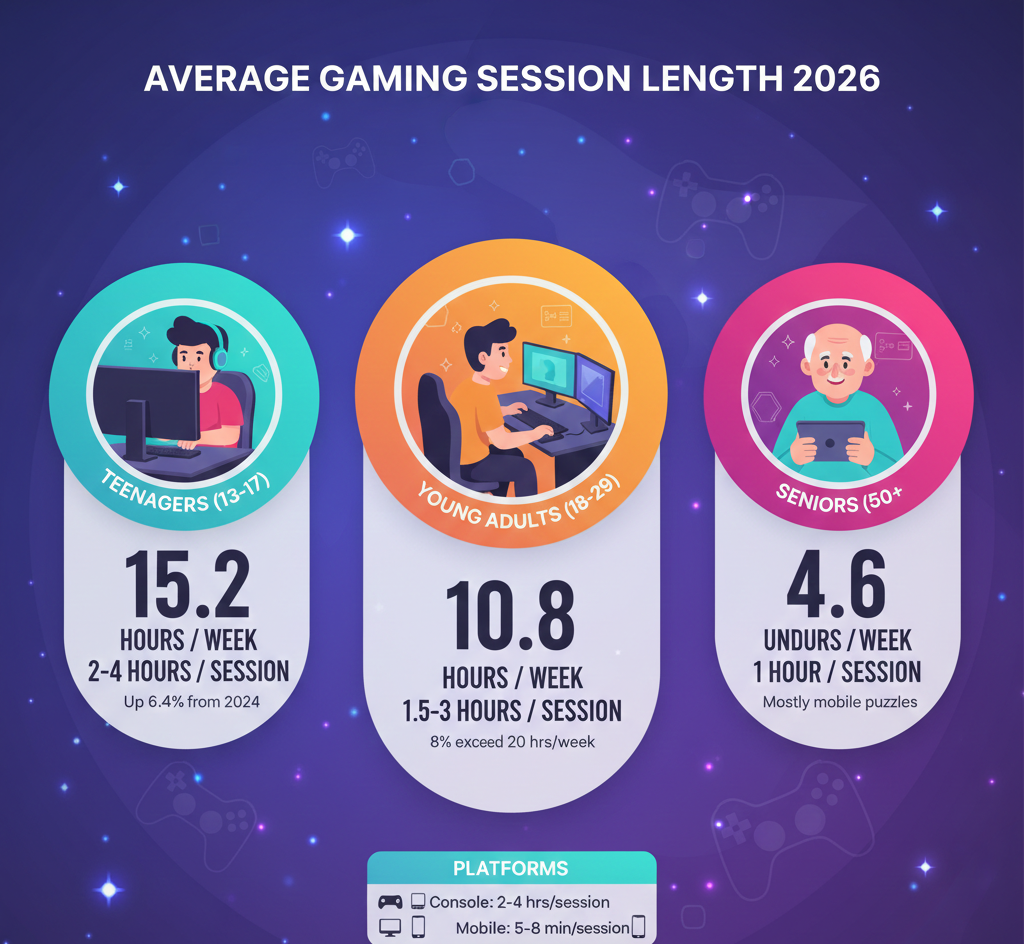
Average Time Spent Playing Video Games Per Day Other Stats And Health Average Gaming Time Per Day. 45 Video Game Addiction Statistics 2026 How Many People Are Addicted Average Weekly Time Spent Playing Video Games . Anyway To Find How Much Time You Spent Playing A Game KGVQD Video Games Survey Graphic 1 . The Case For More Digestable Games Over A Third Of Console And PC. Average Gaming Session Length By Age Group Statistics And 2026 Average Gaming Session Length By Age Group Statistics And 2026


Research Report Shows How Much Time We Spend Gaming Infographic Limelight Prt3 . Average Gaming Session Length By Age Group 2026 Updated Icon Era Average Gaming Session Length By Age Group . Gasto En Videojuegos Aumenta Al Comienzo De 2026 Gracias A Switch 2 Y . Research Report Shows How Much Time We Spend Gaming Infographic Limelight Prt1 . Gaming Time Per Week Statistics ZEVFLF 246074


Video Game Industry Statistics 2024 An In Depth Analysis Of Growth Hours Played Per Week . 10 Much Awaited Games Set To Launch In 2026 Games To Launch 2026 2048x1289 . How Many People Play Video Games In The World 2026 S52 9 Average Time Playing Video Games Gender 768x675 . How Much Does Spotify Pay Per Stream In 2026 Complete Breakdown How Much Does Spotify Pay Per Stream In 2026 . How Many People Play Video Games In The World 2026 S52 8 Average Time Playing Video Games Country


Video Game Industry Statistics 2024 By Revenue And Players How Many People Play Video Games 1024x856 . Online Gaming Statistics In 2022 Interactive In The New Average 20Time 20Gaming . Assessment Of Time Spent Playing Computer Games N 15 Download Assessment Of Time Spent Playing Computer Games N15 . How Many People Play Video Games In The World 2026 S52 10 Average Time Playing Video Games Age . Gaming Statistics How Many Gamers Are There In 2026 Heading 2026 02
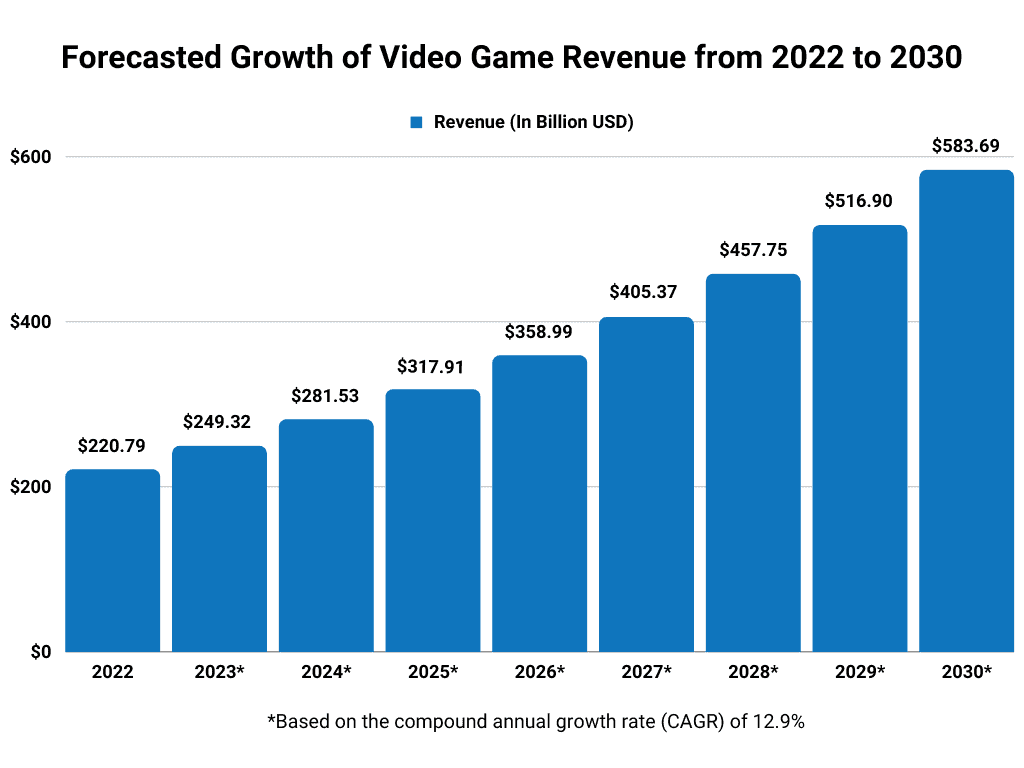

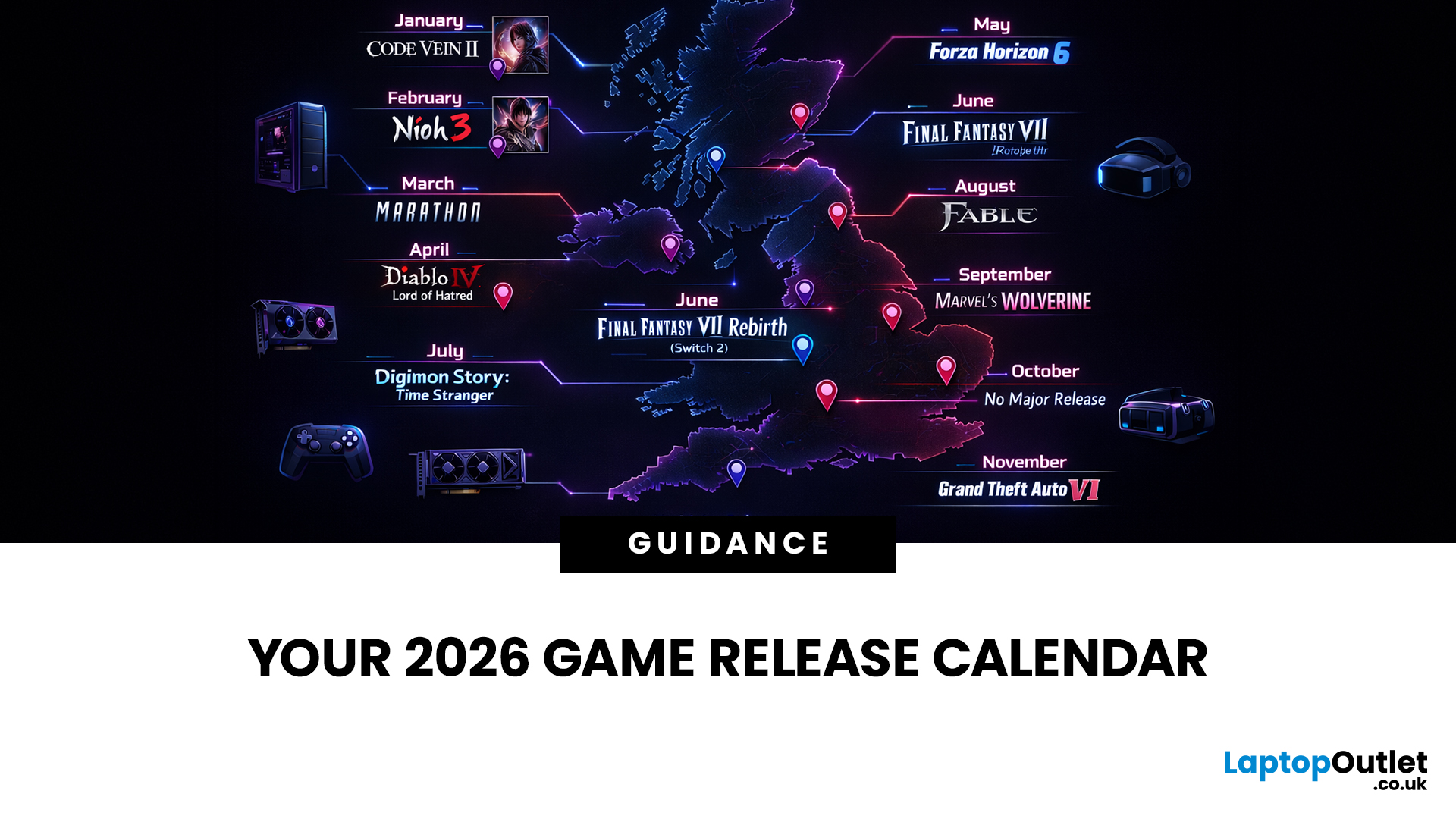
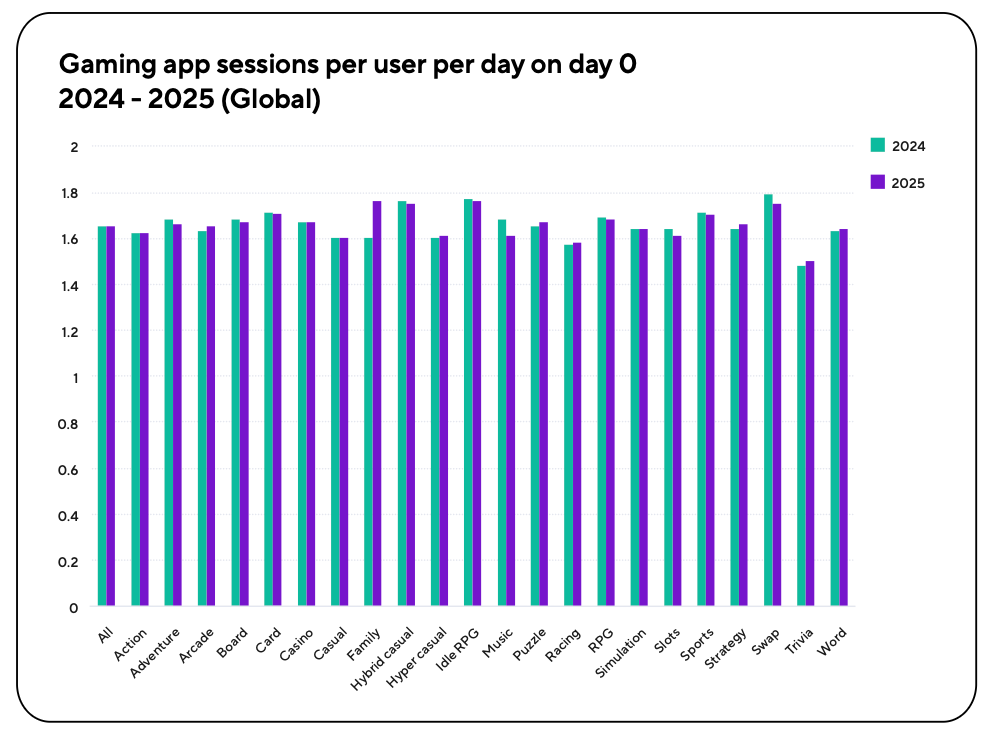
Why Are Video Games Not Fun Anymore Game Quitters Gaming Stats By Age 1024x681 . Video Game Industry Revenue Market Share Apr 2023 S29 2 Forecasted Revenue . How Much Should You Spend On A Gaming PC In Canada 2026 A Builder S F May 2026 . April Gaming Calendar 2026 New Game Releases Events Must Play Titles Game Releases Full Calendar Release Dates Main . Adjust Gaming App Insights Report 2026 Ebdcfdf8 4f9c 4f40 89a5 988x736



How Much Does It Cost To Build A Gaming PC In 2026 Full Budget Guide Low Cost PC For Gaming 768x402 . Top 10 Most Anticipated Games Of 2026 What To Watch Out For TVN GAMES IN 2026 . How Much Is 10 Roblox Your 2026 Price Guide Most Played Roblox Games Worldwide As Of January 2025 By All Time Visits 1024x651 . How Much For A PC Gaming Setup Cost Budget Allocation 1 1024x576 . How Many Days Until April 1 2026 Kiwiirc Com Days Remaining 2026 Printable In Pastel Colors 1024x791

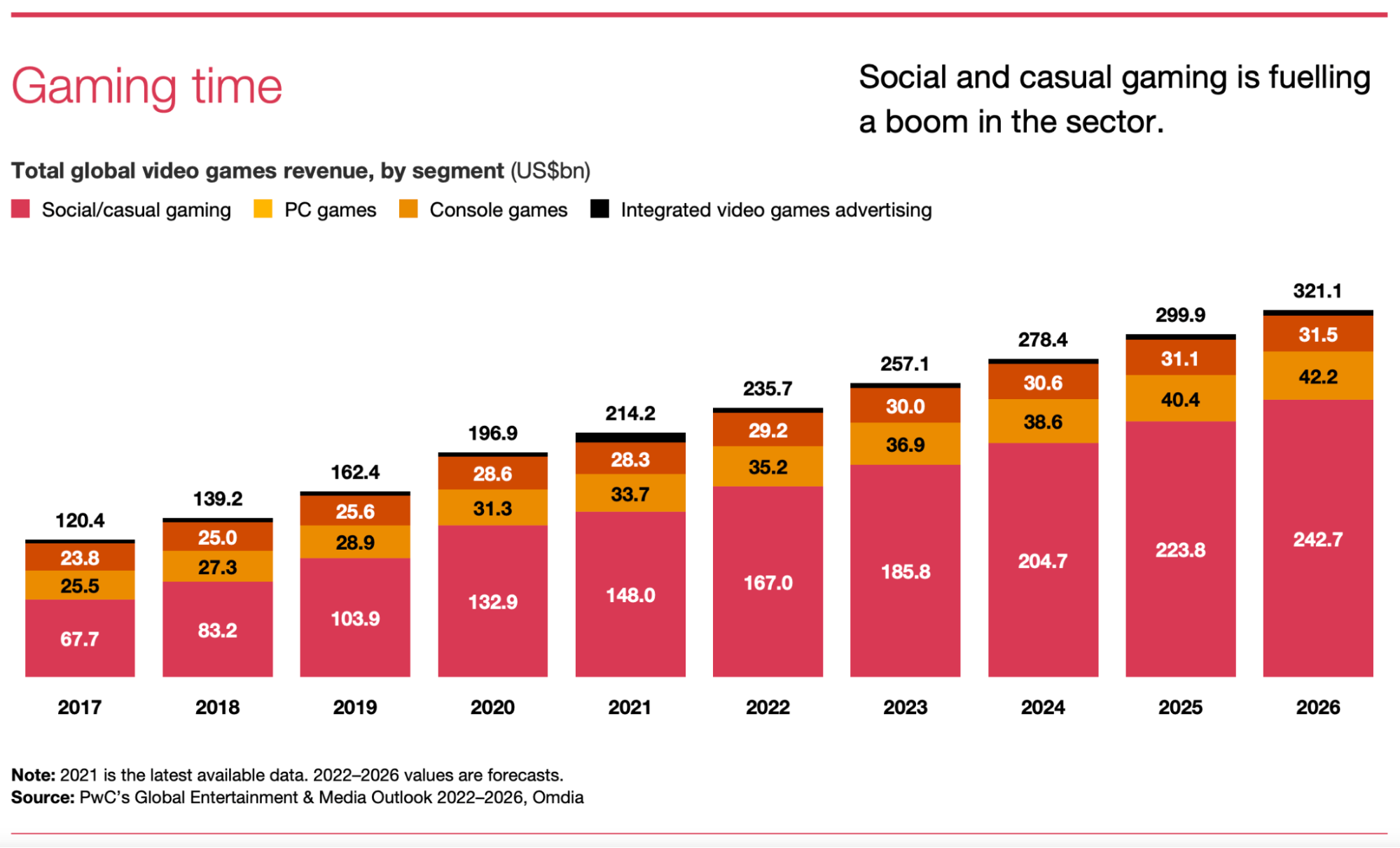


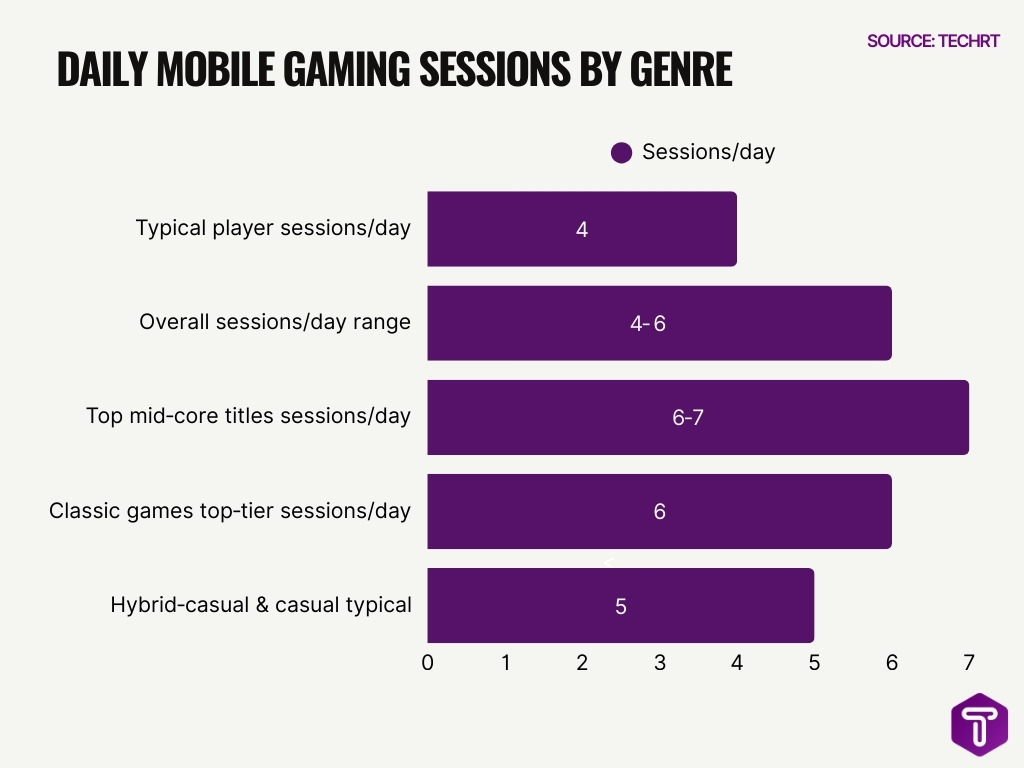
How Much Do Vending Machines Make Per Month Real Profit Data For 2026 How Much Do Vending Machines Make Per Month 0 1777618181 1.webp. Game Industry Usage And Revenue Statistics 2026 Gaming Revenue . Video Games 2026 Ones To Watch Part 2 Quest Daily 2026 Games Pt 2 . This Is How Much Time Per Week People Spend Gaming Hours Spent Gaming Per Week 1 . Mobile Gaming Time Statistics 2026 Daily Hours That Will Surprise You Daily Mobile Gaming Sessions By Genre