Q: What is the primary benefit of using an EV charging map?
A: The primary benefit of using an EV charging map is eliminating range anxiety by providing real-time information on available electric vehicle charging stations. It allows drivers to plan their routes efficiently, locate suitable public EV charging options, and confirm charger availability before arrival. This ensures a seamless and stress-free electric vehicle experience, especially during longer journeys or in unfamiliar areas.
Q: How accurate is an EV charging map regarding station availability?
A: The accuracy of an EV charging map regarding station availability depends heavily on the app or service being used and the connectivity of the charging networks. Many leading EV charging locator apps integrate directly with charging networks to provide real-time status updates. However, occasional discrepancies can occur due to network issues or delayed updates. User-generated reports also contribute to overall accuracy.
Q: Can I filter EV charging stations by speed or connector type?
A: Yes, most modern EV charging map applications offer advanced filtering options to customize your search. You can typically filter by charging speed (e.g., Level 2, DC Fast Charger), connector type (e.g., J1772, CCS, NACS), and even network provider. This functionality is essential for ensuring compatibility with your electric vehicle and finding the most appropriate charging solution for your specific needs, saving time and frustration.
Q: Are there free public EV charging options displayed on these maps?
A: Yes, many EV charging maps include filters to identify free public EV charging stations. While less common than paid options, free chargers are often found at businesses, hotels, or public institutions as an amenity. Users can specifically search for these on apps like PlugShare. It's always advisable to verify conditions for free charging, as some may require membership or a purchase.
Q: How do I report an issue with an EV charging station found on a map?
A: Most reputable EV charging map apps provide mechanisms for users to report issues directly within the application. This typically involves selecting the problematic station and choosing an option like 'Report Issue' or 'Leave Feedback.' Users can often detail the problem, such as a broken charger or inaccurate status. This community input is vital for maintaining the map's accuracy and reliability for other drivers.
EV charging map, electric vehicle charging stations, find EV chargers, public EV charging, EV charging locator, electric vehicle infrastructure, best EV map app, future of EV charging, EV travel USA, charging network, electric car charging, long-distance EVAre you navigating the exciting world of electric vehicles? Understanding where to find reliable EV charging stations is crucial for a smooth journey. This comprehensive guide helps you explore the rapidly expanding electric vehicle charging infrastructure across the United States. Discover innovative tools and apps designed to locate public EV chargers with ease. We delve into how an efficient EV charging map can alleviate range anxiety, making long-distance travel in your electric car a seamless experience. Stay informed about the latest advancements in electric vehicle technology and the future of sustainable transportation. Our insights ensure you are always connected to power, enhancing your driving confidence and freedom.
- How do I find an available EV charging station quickly? - To find an available EV charging station quickly, utilize popular mobile apps like PlugShare or ChargePoint. These applications provide real-time status updates, showing which chargers are open, occupied, or out of service. Filtering by connector type and charging speed ensures you find a compatible and efficient public EV charging spot near your current location or along your planned route. This functionality minimizes wait times effectively.
- Are there different types of EV charging stations I should know about? - Yes, there are typically three main types: Level 1 (standard wall outlet, very slow), Level 2 (faster residential/public AC charging), and DC Fast Charging (rapid charging, primarily public). Each type offers different charging speeds and uses specific connectors. Understanding these types helps you identify the most suitable electric vehicle charging stations based on your urgency and car's capabilities, ensuring efficient power access.
- How can I pay for public EV charging at most stations? - Payment for public EV charging often varies by network, but common methods include dedicated mobile apps, RFID cards issued by charging providers, or credit card readers directly at the station. Some networks offer subscription plans for reduced rates. It's always advisable to check the specific payment options listed on your EV charging map app for the chosen station to ensure a hassle-free transaction.
- What is 'range anxiety' for electric vehicle drivers? - Range anxiety refers to an electric vehicle driver's fear of running out of battery power before reaching a charging station or destination. This concern can arise from uncertainties about charger availability, speed, or distance. However, the rapidly expanding electric vehicle infrastructure and advanced EV charging map apps are significantly alleviating this worry by providing clear, real-time information and reliable charging options for journeys.
- Do all electric vehicles use the same charging port? - No, not all electric vehicles use the same charging port. Common standards include J1772 for Level 2 AC charging, and CCS (Combined Charging System) or CHAdeMO for DC fast charging. Tesla vehicles traditionally used a proprietary connector, though many now offer adapters or will adopt the NACS standard. Always confirm your vehicle's port type and the charger's connector before plugging in.
- How reliable are user reviews on EV charging map apps? - User reviews on EV charging map apps are generally quite reliable and highly valuable. They provide real-world insights into charger functionality, station cleanliness, amenities, and any recent issues. While individual experiences may vary, a consensus of positive or negative reviews often indicates the overall quality and reliability of specific public EV charging stations. Consulting these reviews helps drivers make informed decisions about their charging stops.
- Is it possible to reserve an EV charging station in advance? - Yes, some EV charging networks and their associated apps offer the capability to reserve a charging station in advance. This feature is particularly useful for popular locations or during peak travel times, guaranteeing an available spot upon arrival. Check your preferred EV charging map or network's app for reservation options. This pre-booking functionality enhances convenience and significantly reduces stress for electric vehicle drivers, ensuring seamless travel experiences.
Are you ready to truly understand the electric vehicle charging landscape across the United States? Many EV owners frequently ask, "Where can I find reliable electric car charging stations when I need them most?" The simple truth is, navigating the expanding world of EV charging has never been easier, thanks to advanced technology. Range anxiety, once a significant concern for electric vehicle drivers, is rapidly becoming a worry of the past. The robust network of public EV charging stations continues its impressive growth.
Imagine hitting the open road with complete confidence in your electric vehicle. Knowing exactly where your next charge awaits transforms the driving experience from cautious planning into pure enjoyment. By 2026, the electric vehicle infrastructure will have seen monumental investments, creating an accessible web of power. This evolution ensures that finding EV chargers, whether for a quick top-up or an overnight stay, is straightforward and efficient for every driver.
Navigating the EV Charging Map: Essential Tools
Finding an EV charging map that suits your needs is crucial for seamless electric vehicle ownership. Many drivers depend on intuitive applications that provide real-time data and comprehensive network coverage. These innovative tools are designed to locate public EV charging stations effortlessly, displaying charger types, availability, and pricing information right at your fingertips. Selecting the best EV map app truly makes a difference in daily convenience and long-distance travel planning.
Key Features of a Superior EV Charging Locator
Real-time Availability: Does the map show if a charger is occupied or available right now? This feature prevents wasted trips and saves valuable time. Up-to-the-minute updates are essential for efficient travel planning in bustling urban areas.
Filter Options: Can you filter by charger type, such as Level 2 or DC Fast Charger? The ability to specify connector types like CCS, CHAdeMO, or NACS ensures compatibility with your specific electric vehicle model. Location filters also help narrow down choices.
Payment Integration: Does the app allow for direct payment or provide clear pricing details? Integrated payment solutions streamline the charging process, reducing friction and enhancing user convenience significantly. Understanding costs upfront is always beneficial.
User Reviews and Ratings: What do other EV drivers say about a particular station? Community feedback offers valuable insights into charger reliability, station amenities, and overall user experience. This collective wisdom guides better choices.
The Future of Electric Vehicle Infrastructure
The landscape of electric vehicle infrastructure is rapidly evolving, driven by technological advancements and government initiatives. Projections for 2026 indicate a significant increase in charging station density, particularly along major interstate highways and within metropolitan areas. This expansion directly addresses the growing demand from a swelling number of electric car owners across the nation. The goal is to make public EV charging as ubiquitous as traditional gas stations, fostering widespread adoption.
Innovations like ultra-fast charging and smart grid integration are reshaping how we power our vehicles. These developments promise quicker charge times and a more resilient, sustainable energy supply for the entire network. Investing in robust electric vehicle infrastructure is not merely about convenience; it is about building a cleaner, more energy-independent future for transportation. This proactive approach ensures our communities are ready for electric mobility's next phase.
What Others Are Asking?
How can I find public EV charging stations nearby?
You can easily find public EV charging stations using dedicated mobile apps like PlugShare, ChargePoint, or Electrify America. These apps utilize your location to display available chargers, their types, and real-time status. Many in-car navigation systems also integrate EV charging map functionalities, guiding you directly to the nearest compatible station quickly and efficiently. Planning routes with charging stops has become incredibly intuitive for modern drivers.
What is the best EV map app for long trips?
For long trips, apps like A Better Routeplanner (ABRP) or PlugShare are highly recommended for their comprehensive features. ABRP plans entire routes with optimal charging stops, considering your EV model, weather, and elevation. PlugShare offers an extensive database of public EV charging locations, including user reviews and photos. Both help alleviate range anxiety on extended journeys effectively.
Are all EV chargers compatible with every electric car?
No, not all EV chargers are compatible with every electric car due to differing connector types. The most common connectors in the US are J1772 (Level 2), CCS (Combined Charging System) for DC fast charging, and NACS (North American Charging Standard) primarily used by Tesla, now adopted by others. Always verify the charger type matches your vehicle's port before attempting to charge, ensuring a successful connection.
How long does it typically take to charge an electric vehicle?
Charging time for an electric vehicle varies significantly based on the charger type and your car's battery capacity. Level 2 chargers can take 4-8 hours for a full charge, ideal for overnight use. DC Fast Chargers, however, can provide 80% charge in 20-60 minutes. The specific time depends on factors like battery state-of-charge and the charger's power output.
Is public EV charging more expensive than home charging?
Generally, public EV charging can be more expensive than home charging, especially for DC Fast Charging. Home charging costs are based on residential electricity rates, which are typically lower. Public stations often include service fees or premium pricing for convenience and faster speeds. However, costs vary widely by provider, location, and subscription plans available to users.
Final Thoughts on EV Charging Map
The journey with an electric vehicle is becoming increasingly seamless and enjoyable, thanks to advancements in EV charging map technology and expanding infrastructure. Having a reliable electric vehicle charging stations map is no longer a luxury but a necessity for every EV owner. It truly empowers drivers to explore with confidence, knowing power is always within reach. The future of public EV charging is bright, promising even greater accessibility and convenience for all.
What new features would you most like to see on future EV charging locator apps? How has a reliable EV charging map transformed your own electric vehicle driving experience?
Locate public EV chargers easily. Understand EV charging map features. Explore electric vehicle infrastructure growth. Discover best EV map apps for reliable charging. Plan stress-free electric car journeys.


Public Charging For Beginners A 2026 Guide To Using Evie Tesla And EV Chargings Stations Sydney The Current State Of In India 2026 Home Fleet 2026 Networks US Hits 017 DC Fast Ports March 2026 Network 70017 2026 Market Monitor Europe S Reaches Report European April 2026 Cost 2026 How Much Does It Really Per Km Station 2026.
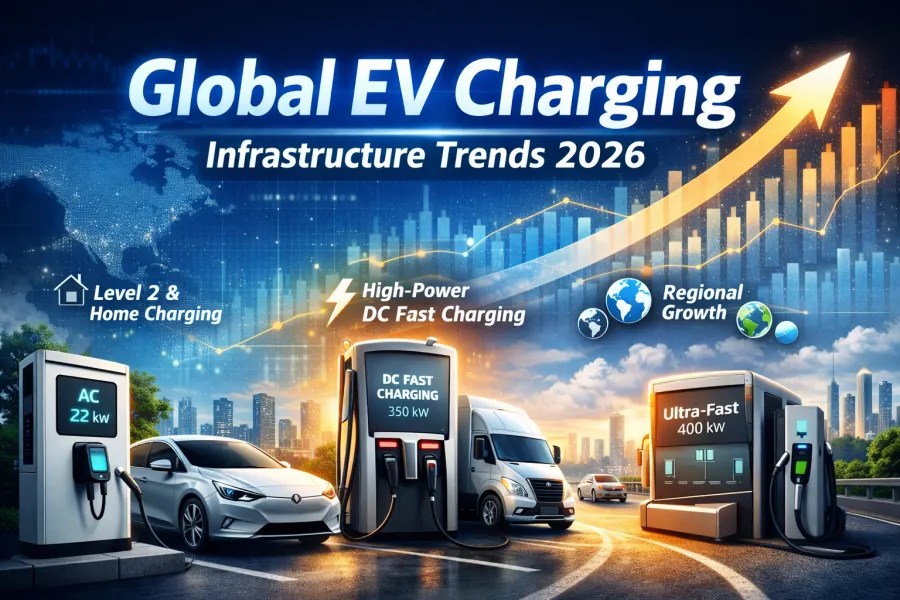

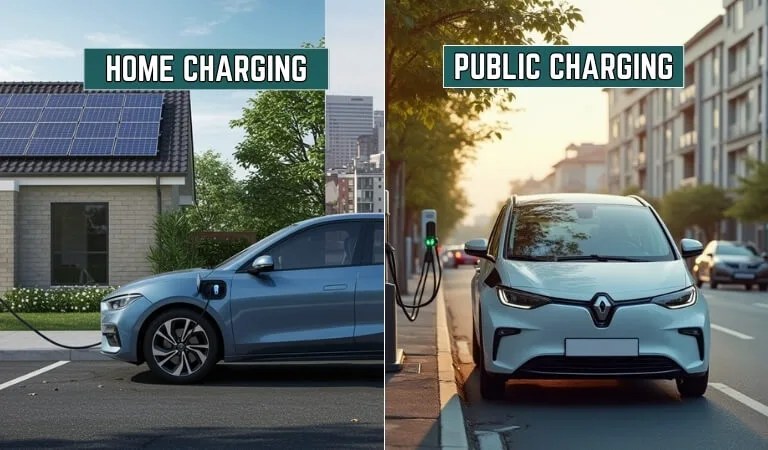
Energy EV Charging Trends 2026 Market Global 2026 Public Etiquette Rules Every Electric Car Owner Should Courtesy Guidelines NNB0T The Network Bp Pulse Unveil UK S Largest Hub NEC R2 3462 LR Charger Expansion National Plans Guide 2026 Automotive 2026 Luxury Buying 2026 Top Premium Models 2026 Home Vs.


Is EV Charging In The US Actually Ready 2026 Real Data Answer 2026 Nevi Network Readiness Networks India 2026 Complete Guide Everything You Need To Know About 2026 Future Technology 2026 Home VS Public Fast Chargers PM E Drive Targets 000 Stations By 2026 Reliability 2026 A Buyer Dealer Checklist Image.
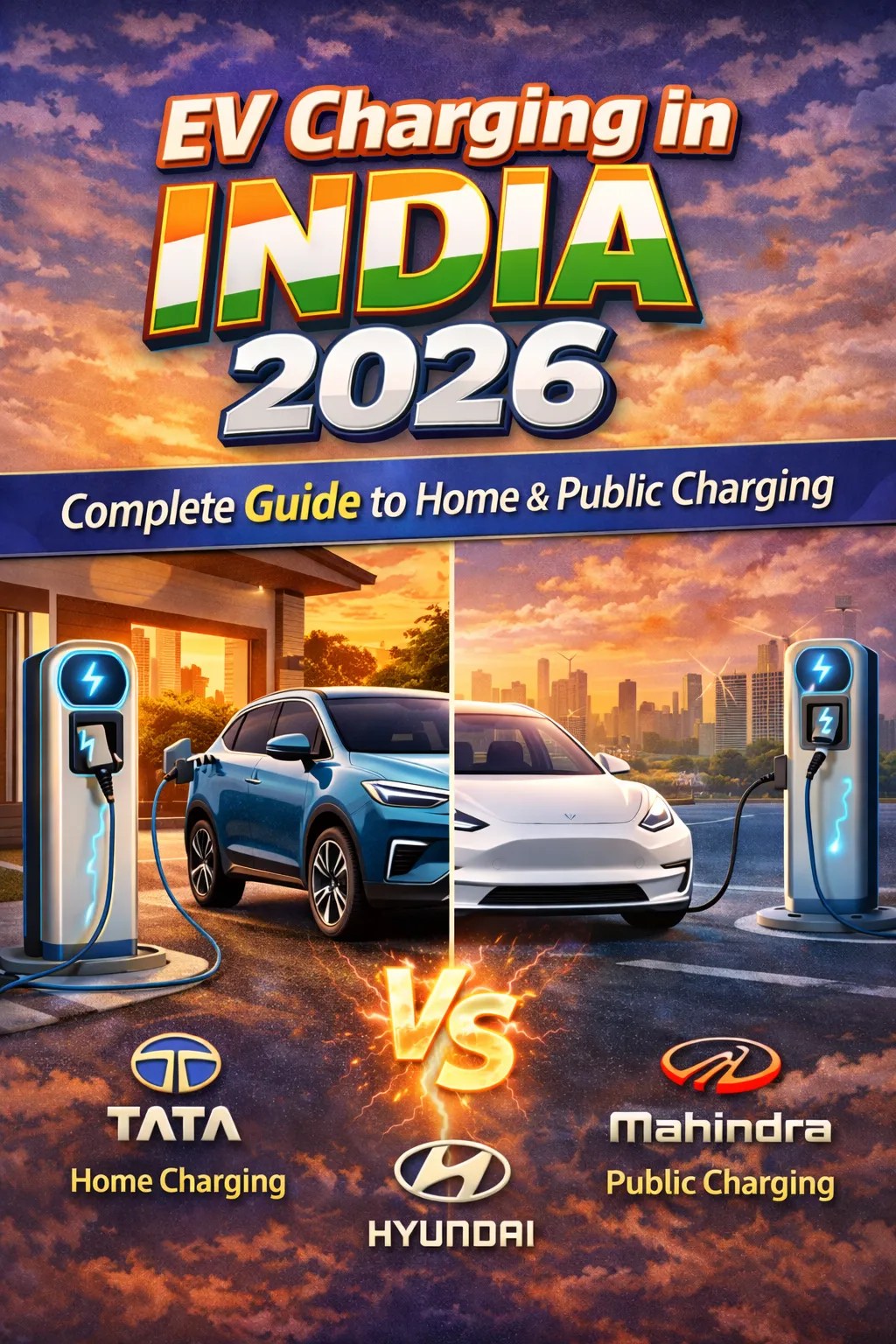


EV Charging In India 2026 Home Public Stations Costs Delhi Policy 2026 Subsidies And Adoption Grounding Earthing For Chargers Single Point Vs Multi Systems Set To Get 000 Points 2026 Latest News Big Push Vtpu Top Companies 2026 Inventiva Electric Era Powernode Station Render Etiquette UK Rules 2026 The Car 2527611909.


EV Charging Guide India 2026 Home Setup Public Cost Per Km Reasons Businesses Are Installing Chargers In 2026 Best Charger Car Options For 2026 What Should You Choose Costs 2026 A Price Comparison The Charge Scheme 2570681739 Is UK Profitable Business Opportunity 2026 Growth.
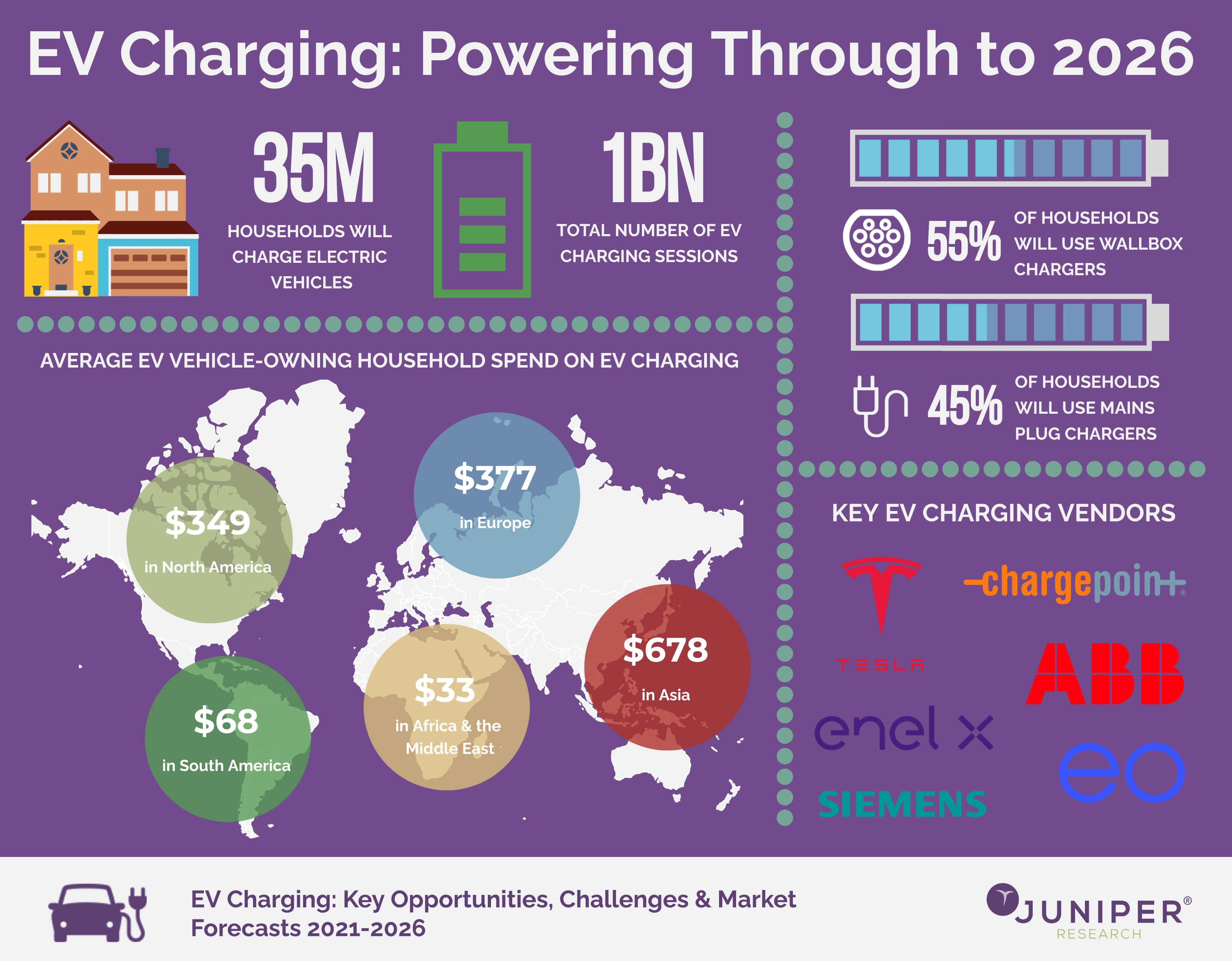


Home EV Charging Spend To Exceed 16BN Globally By 2026 Iot Global Final Infographic Compliance Public Tracker Electric Autonomy Canada Canadas 2026 NETWORKSV2 Charger Regulation 2026 UAE Key Rules Explained 44KW Image 2025 Network Report Nears 000 Stations 2025 Networks Graph Business Models Revenue Guide 2026.


Top Public EV Charging Networks In The USA 2026 Update Automotive Industry Trends Predictions For 2026 Ontario S 2026 Comparison Station Cost India 2026 Breakdown Globalsblog.