Gaming in 2026 is more than just a hobby; it is a vital part of relaxation and social connection for millions of US gamers. With busy schedules balancing jobs and family, losing game progress or facing long re-downloads after a system crash is a major headache. This comprehensive guide on Steam backup game files is tailored for the modern gamer who values their time and investment. We will explore why safeguarding your digital library is essential, offering practical steps to ensure your favorite titles are always secure and ready to play. From preventing data loss to optimizing storage and expediting game recovery, understanding how to effectively back up your Steam game files is crucial. This article provides actionable insights and up-to-date strategies to keep your gaming experience smooth and stress-free, ensuring you can quickly get back into the action without missing a beat, even with the latest patch sizes. We will cover both built-in Steam features and alternative methods to give you a robust defense against common PC woes and network issues that can derail your gaming sessions.
How do I backup my Steam games?
You can backup Steam games directly through the Steam client by right-clicking a game in your library, selecting 'Manage' then 'Backup game files'. Follow the wizard to choose games and a destination. Alternatively, manually copy the game's folder from your 'steamappscommon' directory.
Where are Steam game saves stored?
Steam game saves are typically stored outside the main game installation, often in your 'Documents' folder, 'AppData' directory (Local, Roaming, or LocalLow), or sometimes within the game's specific user data folder. Their exact location varies by game and rarely gets included in Steam's built-in backups.
Can I move Steam games to another drive?
Yes, Steam allows you to easily move installed games. Go to Steam > Settings > Storage, select the drive, choose the game(s) you want to move, and click 'Move'. You can also create new Steam Library Folders on different drives.
Does Steam Cloud backup everything?
No, Steam Cloud primarily backs up game save data and some configuration files for supported games. It does not back up the entire game installation files, mods, or all custom settings. A local backup is crucial for full game recovery and faster reinstallation.
What's the best way to backup my entire Steam library?
The best way to backup your entire Steam library for a full system reinstall is often a combination: use Steam's built-in backup for core games or manually copy the entire 'steamapps' folder. Crucially, supplement this by manually locating and backing up all essential save game folders from 'Documents' or 'AppData'.
How can I quickly restore Steam games after a new PC build?
To quickly restore Steam games after a new PC build, install Steam, then go to 'Steam' in the top-left menu, select 'Backup and Restore Games...', and choose 'Restore a previous backup'. Point it to your external drive where you stored the backup files. For manual backups, copy the game folders into your new Steam library's 'steamapps\common' directory and restart Steam to detect them.
Why are my Steam game backups taking so long?
Steam game backups can take a long time due to several factors: very large game sizes, slow hard drive speeds (especially older HDDs), and your CPU's processing power during the compression phase. Backing up multiple games simultaneously or writing to a slow external drive will also extend the duration. Ensure your target drive has ample free space.
What should I do if my Steam backup files get corrupted?
If your Steam backup files get corrupted, you will likely encounter an error during the restoration process. First, try re-creating the backup from scratch. If that is not possible, your only recourse might be to re-download the game directly from Steam. This highlights why having multiple backup copies or regularly verifying their integrity is highly recommended.
Can I play games directly from a Steam backup?
No, you cannot play games directly from a Steam backup file. A Steam backup is a compressed archive of the game's installation files, designed for restoration into an active Steam library. You must first restore the game using the Steam client before it becomes playable. Manual copies, however, can sometimes be launched if placed correctly.
How do I find game save locations not covered by Steam Cloud?
To find game save locations not covered by Steam Cloud, you typically need to check specific directories on your computer. Common places include 'C:\Users\[YourUsername]\Documents\My Games', 'C:\Users\[YourUsername]\AppData\Roaming', 'C:\Users\[YourUsername]\AppData\Local', or sometimes directly within the game's folder if it is an older title. Websites like PCGamingWiki are invaluable resources for pinpointing exact save locations for almost any game.
Is it safe to delete Steam backup files after restoring a game?
Yes, once you have successfully restored a game from a Steam backup and confirmed it runs correctly, it is generally safe to delete the backup files to free up storage space. However, it is a good practice to keep at least one recent backup of your most critical games on an external drive for an extra layer of security against future issues.
Why might Steam not recognize my manually copied game files?
Steam might not recognize manually copied game files if they are not placed in the correct Steam Library Folder (typically 'steamapps\common'), if the folder name is incorrect, or if the appmanifest_XXXXX.acf file (which tells Steam a game is installed) is missing or corrupted. After copying, restarting Steam and then trying to 'Install' the game (it should then perform a 'Discovering existing files' process) usually resolves this.
Hey there, fellow gamers! Ever stared at a black screen after a system crash, or perhaps bought a new SSD and dreaded the thought of re-downloading hundreds of gigabytes of games? In 2026, where 87% of US gamers regularly dedicate an average of 10+ hours a week to their passion, time is a precious commodity. For many of us balancing work, family, and life, gaming isn't just a pastime; it's a vital escape, a way to connect with friends, or even a path to build new skills. Losing progress, facing corrupted installations, or enduring agonizingly slow re-downloads can quickly turn that relaxing hobby into a frustrating chore.
This is where understanding how to effectively handle your Steam backup game files becomes an absolute game-changer. It is not just about preventing disaster; it is about reclaiming your valuable gaming time, optimizing your storage, and ensuring your digital library is always accessible, no matter what technical glitches life throws your way. Think of it as your personal insurance policy for countless hours of adventure, competition, and fun. This comprehensive guide is designed to empower you with practical, actionable strategies to manage your Steam game files like a pro. We will dive deep into Steam’s built-in tools and explore manual methods, all aimed at keeping you in the game, stress-free.
Why Should I Bother Backing Up My Steam Game Files?
Backing up your Steam game files is a critical step for any serious PC gamer, especially given the increasingly large file sizes of modern titles and often variable internet speeds. It protects your investment of both time and money. Imagine spending hours in a new game only to lose all your progress because of a hard drive failure. While Steam Cloud saves handle some game data, they do not always cover everything, especially configuration files or mods. A local backup means you can restore games significantly faster than re-downloading them, saving bandwidth and precious gaming hours. For those who frequently upgrade hardware or reinstall operating systems, having a readily available library backup streamlines the entire setup process, getting you back into action without delay. It is a proactive measure against unforeseen technical issues, ensuring your gaming flow remains uninterrupted.
How Does Steam's Built-In Backup Feature Work?
Steam offers a native backup and restore feature directly within its client, designed to simplify the process for users. When you choose to "Backup Game Files" for a specific title, Steam packages the necessary installation files into a compressed format, usually split into multiple .CSM files and an .SIS file, which can then be stored on an external drive or another location. This method ensures that all the core game files are preserved in a state ready for quick reinstallation. It is a straightforward approach that handles dependencies and file structures, making restoration relatively seamless. However, it is important to note that this built-in utility primarily backs up the core game files and generally does not include save games, custom configurations, or mods, which often reside in separate locations.
What Are the Steps to Backup Games Using Steam's Client?
Using Steam's built-in tool is quite simple. Here's a step-by-step guide:
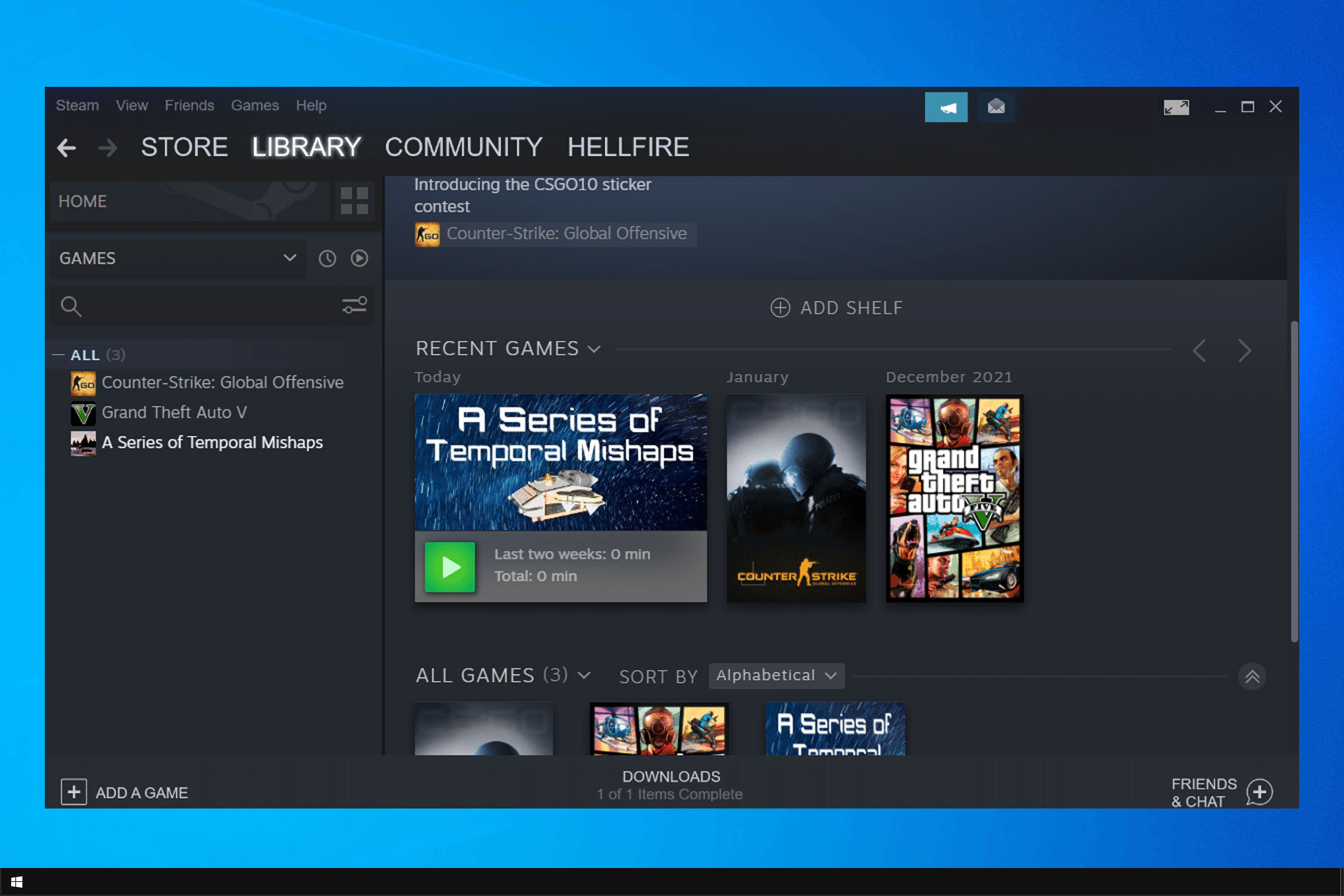
- Launch your Steam client and navigate to your Library.
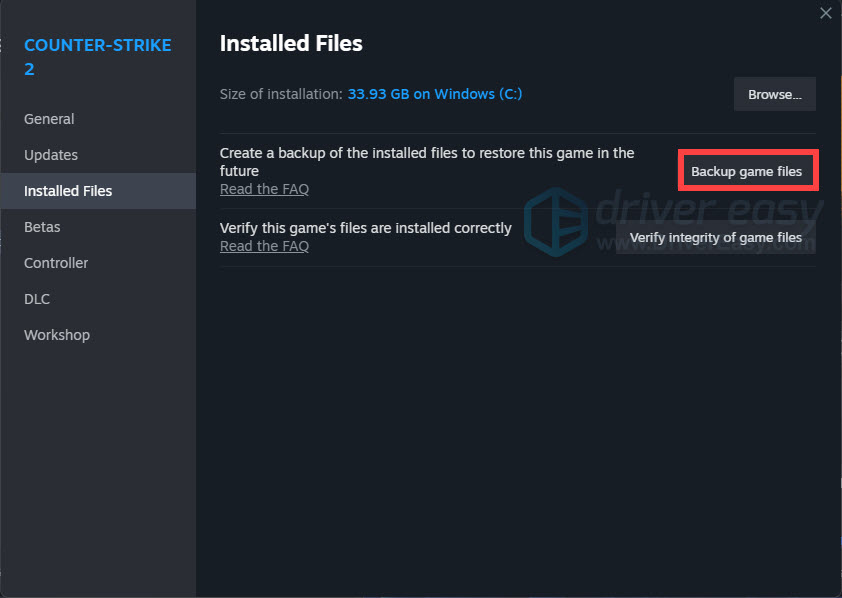
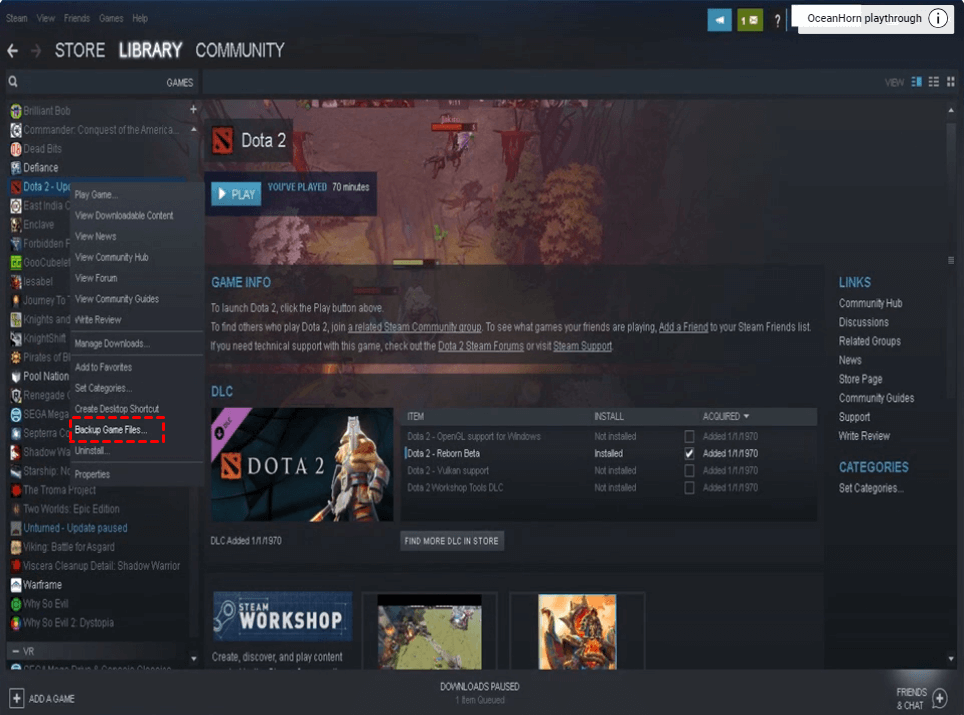
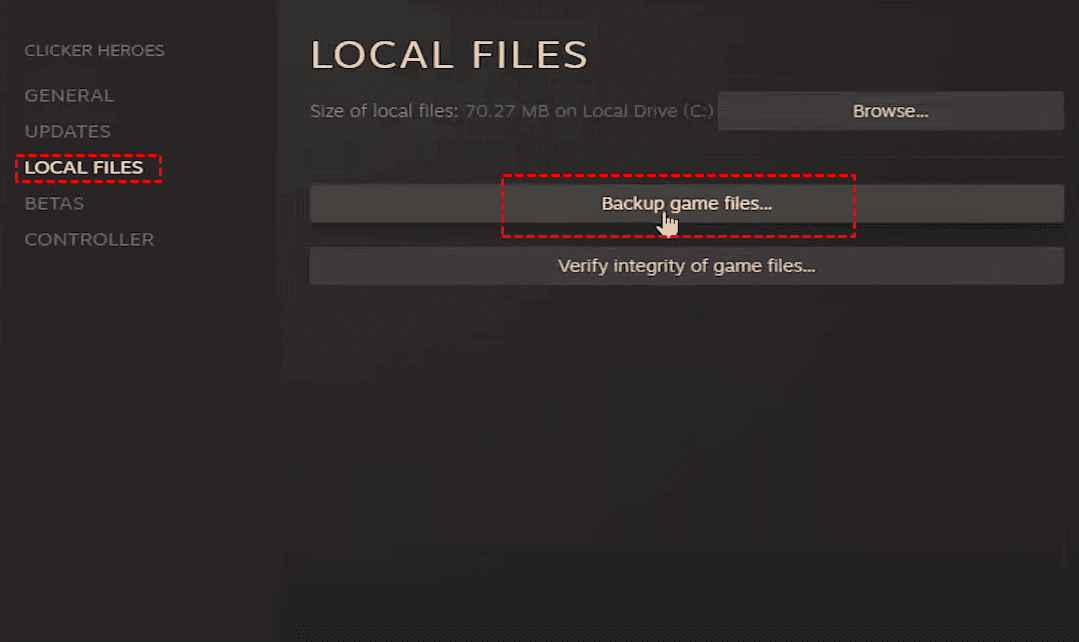
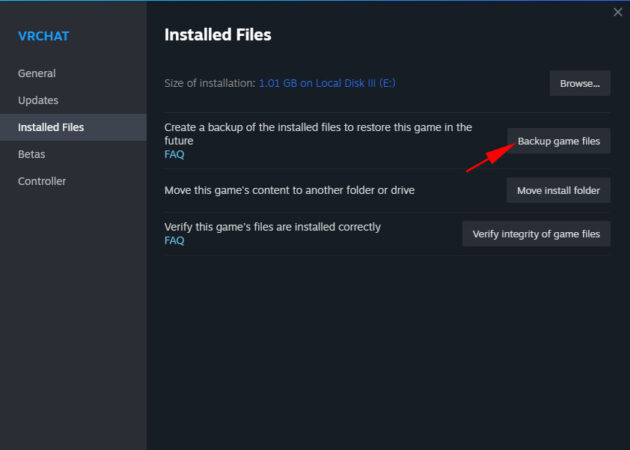
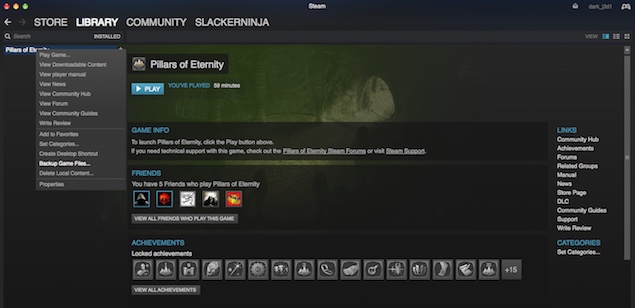
- Right-click on the game you wish to back up.
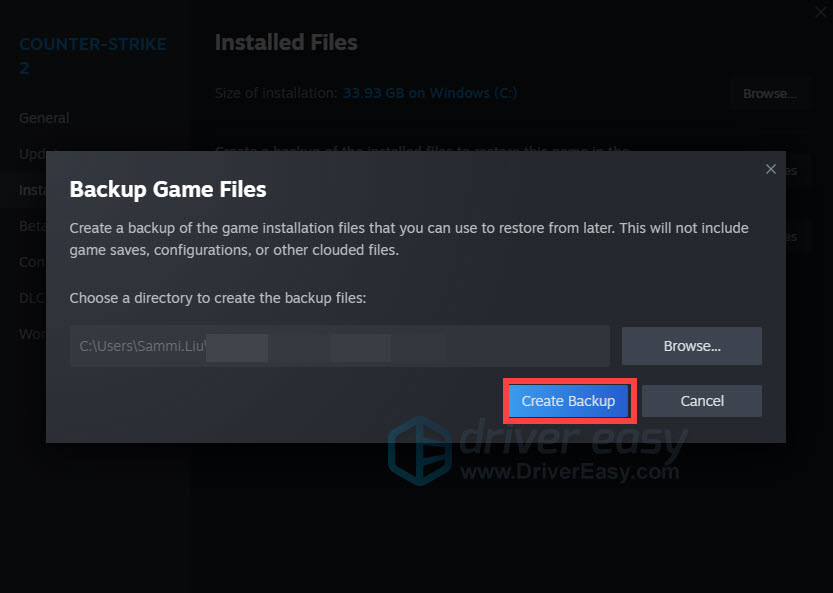
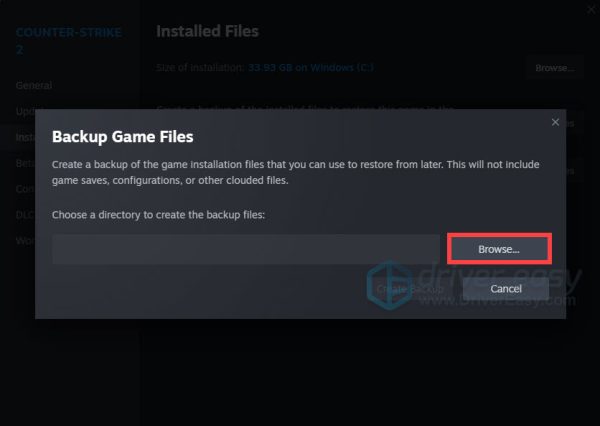
- Select "Manage" and then "Backup game files..."
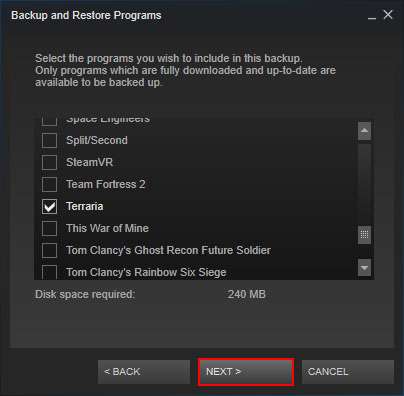
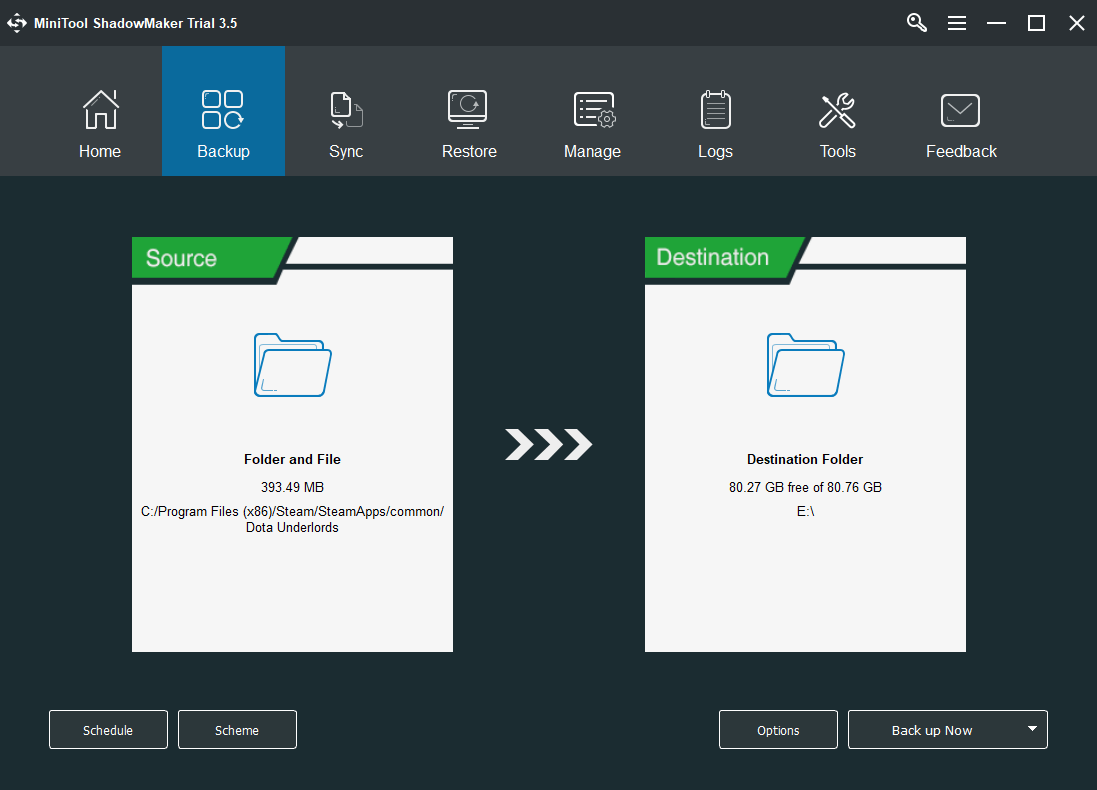
- A wizard will appear. Select the games you want to include in this backup. You can choose multiple games if desired. Click "Next."
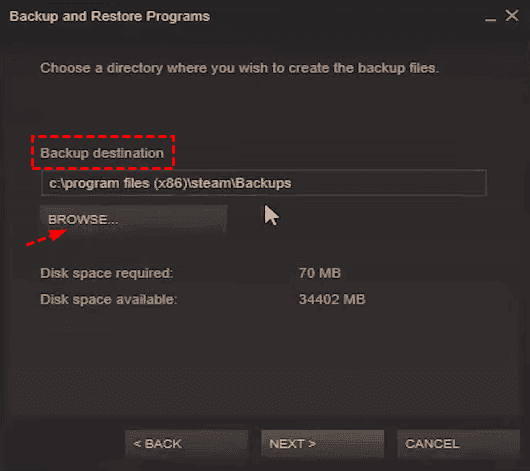
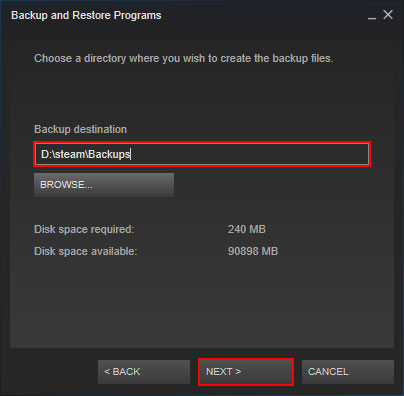
- Choose the destination folder where you want to save the backup files. An external hard drive or a large network share is recommended. Click "Next."
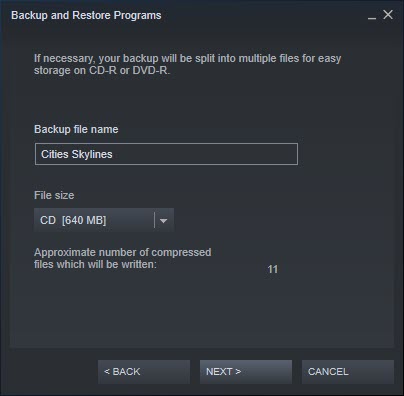
- Decide on the output folder name and the compression method (DVD or CD sizes, or a custom size). For most modern storage, "Custom" with a large size or simply leaving it default is fine. Click "Next."
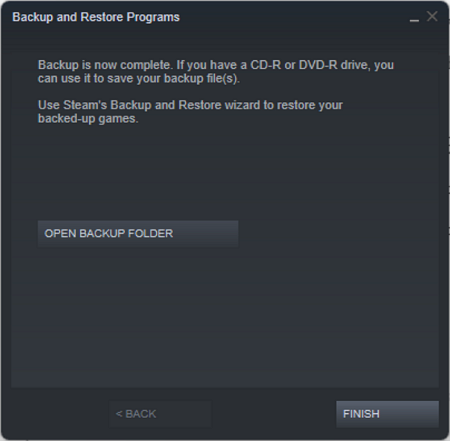
- Steam will then proceed to compress and save the game files to your chosen location. This process can take some time depending on the game's size and your system's speed.
- Once completed, you will find the backup files ready for storage.
Remember, this method creates a ready-to-restore package, ideal for clean reinstalls.
Can I Manually Backup Steam Games and Is It Better?
Yes, you absolutely can manually backup your Steam games, and for many seasoned gamers, it is often preferred due to its flexibility and completeness. The primary advantage of a manual backup is that you can include everything: the core game files, your save game data (which Steam's built-in tool often omits), configuration files, and even installed mods. This means when you restore, your game is exactly as you left it. It is particularly useful for games with complex mod setups or those where save data is critical and not reliably synced to Steam Cloud. While it requires a bit more knowledge about file locations, the control it offers over what gets saved can be invaluable for maintaining your gaming experience.
Where Should I Store My Steam Backups?
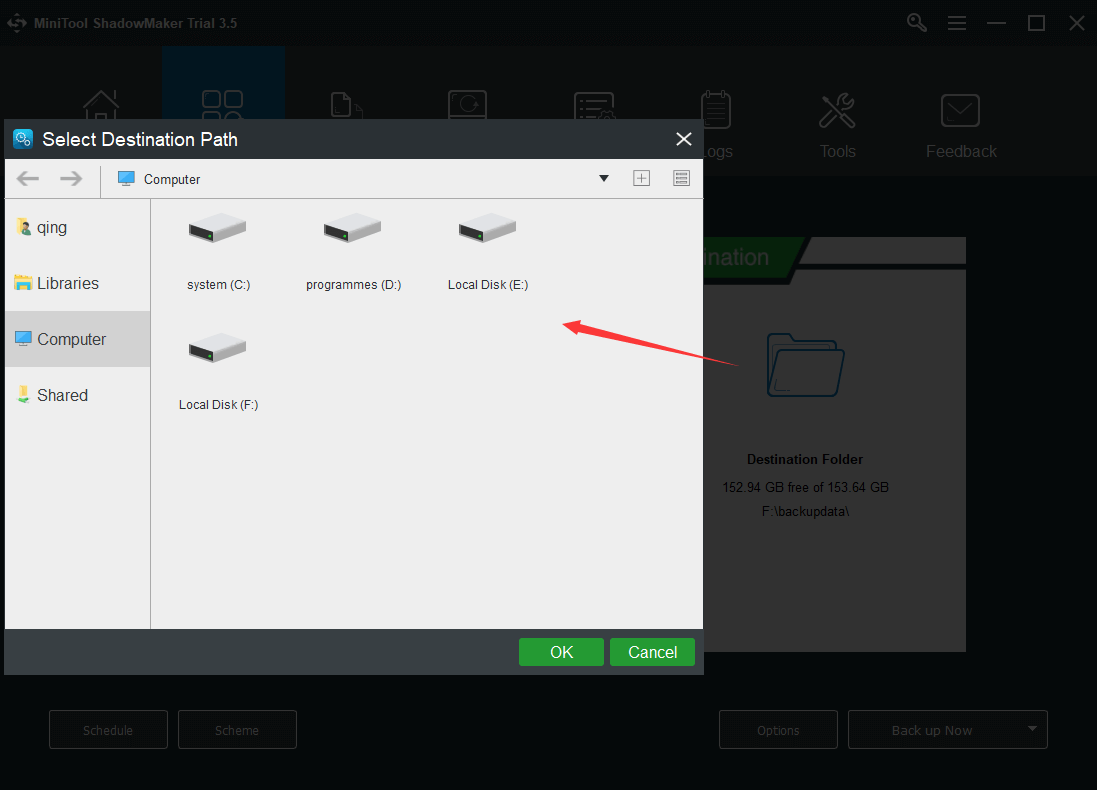
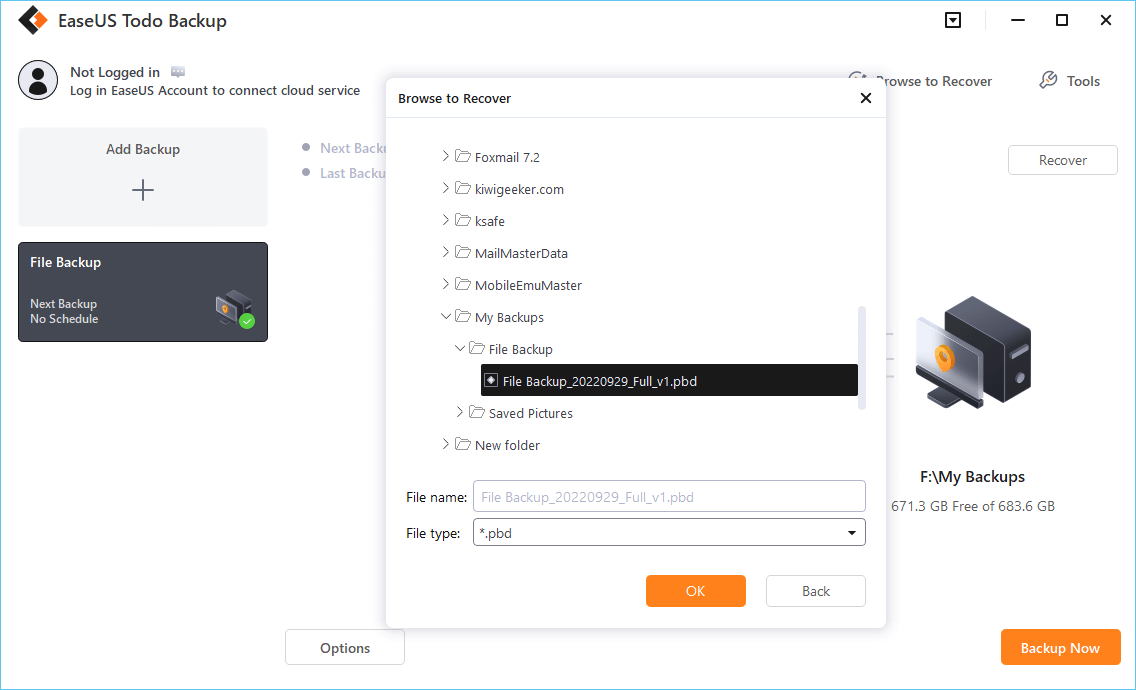
The best place to store your Steam backups depends on your needs for accessibility and redundancy. For most gamers, an external hard drive (HDD) or a large-capacity Solid State Drive (SSD) is the most practical choice. These drives offer ample storage for multiple game backups and are easily portable. For critical or frequently played titles, consider storing a secondary copy on a Network Attached Storage (NAS) device if you have one, or even utilizing cloud storage services like Google Drive, Dropbox, or OneDrive for smaller backups, though large game files can quickly consume free quotas. Remember the 3-2-1 backup rule: at least three copies of your data, stored on two different types of media, with one copy offsite. For games, having at least two local copies (e.g., internal drive and external drive) is a great start.
How Do I Restore My Games From a Steam Backup?
Restoring games from a Steam backup is as straightforward as creating one. Here's how:
- Launch your Steam client.
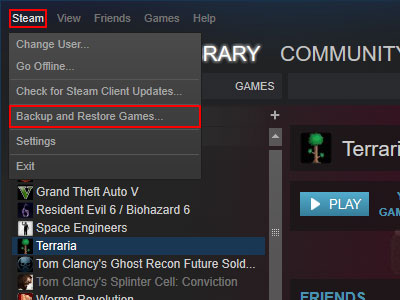
- Go to "Steam" in the top-left menu.
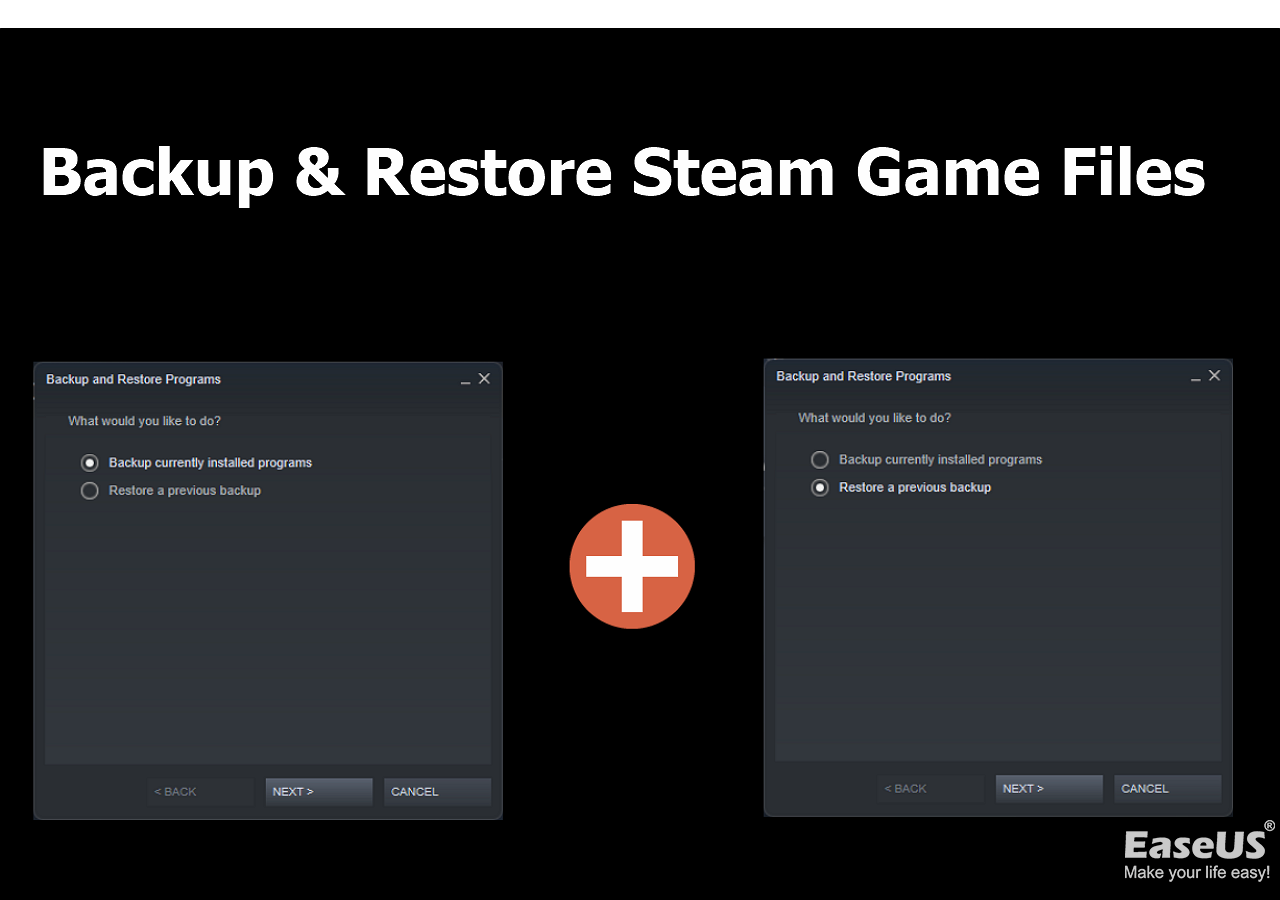
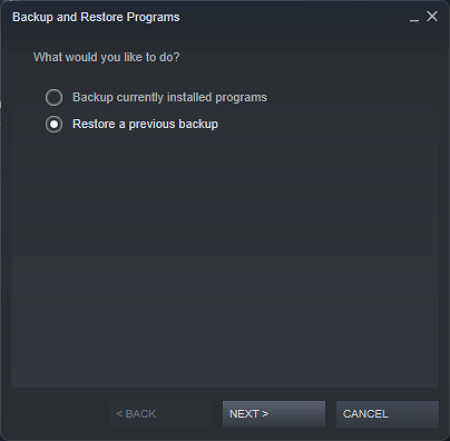
- Select "Backup and Restore Games..."
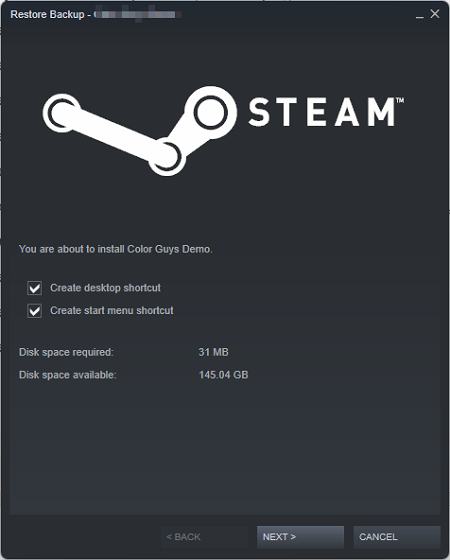
- Choose "Restore a previous backup" and click "Next."
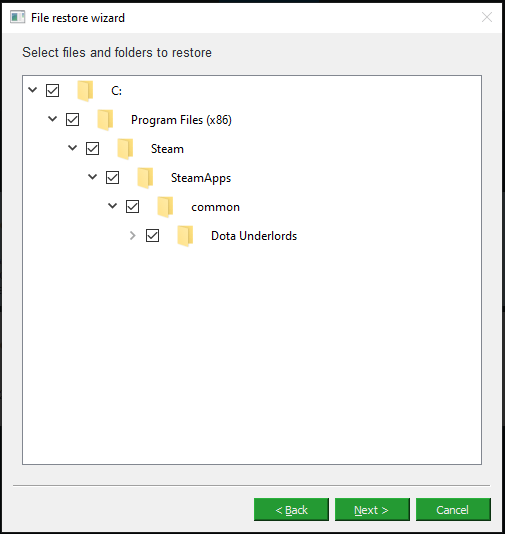
- Browse to the location where you saved your backup files (the folder containing the disk_1 folder and .SIS file). Select the folder and click "Next."
- Steam will identify the game(s) within the backup. Confirm the installation location and then click "Next" again.
- The restoration process will begin, copying the files from your backup to your Steam library. This is typically much faster than downloading the entire game from scratch.
- Once completed, the game will appear in your library as installed and ready to play.
If you performed a manual backup, simply copy the game's folder back into your Steam library's steamappscommon directory and restart Steam; it should detect the files and verify them.
What About Game Save Files Are They Included in Backups?
This is a crucial point that often catches gamers off guard. Steam's built-in backup utility does not typically include game save files, configuration settings, or mods. These critical data points are usually stored in separate locations, often within your "Documents" folder, "AppData" directory (hidden by default), or directly within the game's installation folder but outside the core files packaged by Steam. This separation means that even with a Steam backup, you could lose your progress if you don't separately back up these save files. Always manually locate and copy your save game folders for vital titles, particularly those without robust Steam Cloud support. Tools like PCGamingWiki are excellent resources for finding specific save locations.
How Often Should I Backup My Steam Games?
The frequency of backing up your Steam games depends on a few factors: how often you play new games, how critical your save progress is, and how stable your system typically is. For most casual gamers, a monthly or quarterly backup of your most played or newest titles is a good baseline. If you are frequently installing new games, experimenting with mods, or have a less stable system, a weekly backup of critical titles might be more appropriate. Think about it: if you lost everything right now, how much progress would you miss? This "pain point" will help you decide. For save files, if a game does not use Steam Cloud, back them up as often as you would important documents, perhaps after a major play session or story milestone.
Are There Any Third-Party Tools for Backing Up Steam Games?
While Steam offers its own solution, several third-party tools can streamline the backup process, particularly for managing save files or entire game libraries more comprehensively. Programs like "GameSave Manager" specialize in finding and backing up game save files across various platforms, not just Steam. For managing your entire Steam library and moving games between drives, "Steam Mover" (or similar junction link tools) can be very helpful, although not a direct backup utility. Dedicated backup software for your entire PC, such as Macrium Reflect or Acronis Cyber Protect Home Office, can also create full disk images or partition backups that include your Steam games and all associated data, offering the most robust form of data protection for your whole system.
What Are the Common Pitfalls When Backing Up Steam Games?
Even with the best intentions, gamers can stumble into common pitfalls when backing up Steam games. The most frequent mistake is forgetting about game save files; as mentioned, Steam's tool often ignores them. Another pitfall is not verifying backups; always try a test restore or at least check the integrity of the backup files to ensure they are not corrupted. Storing backups on the same drive as the original games defeats the purpose of data redundancy. Also, using outdated backup methods or ignoring new patches can lead to issues; ensure your backup strategy is current. Finally, many gamers neglect to update their backups after major game patches or new installations, leading to out-of-date recovery points that might miss recent content or fixes.
How Can Backing Up Help With Performance or Setup Issues?
Backing up your Steam games and especially your save and configuration files can be a secret weapon against performance and setup headaches. If you are struggling with a persistent game crash or weird graphical glitches, a clean reinstall often helps, and having a backup means you can do this quickly without a massive re-download. For those constantly tweaking settings or trying out mods, a backup of your stable configuration files acts as a safety net. If a mod breaks the game, you can simply restore the unmodded config or game version. It also allows for easier migration to new hardware; instead of a fresh install and hours of downloading, you can restore your entire library, saving time and potential frustration that often comes with new PC builds or upgrades, a common activity for the ~36-year-old gamer looking for optimal performance on a budget.
FAQ What files does Steam's built-in backup actually save?
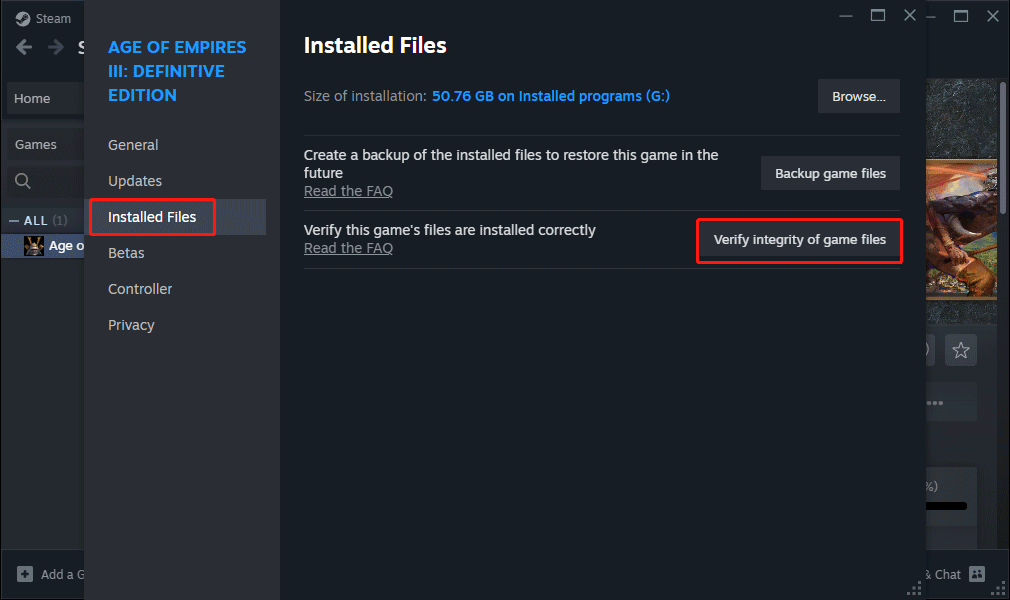
Steam's built-in backup primarily saves the core installation files of the game. This includes the executables, assets, textures, and other essential data needed to run the game. It generally does not include personal save files, user configurations, or installed mods, which are often stored separately.
FAQ Can I backup my Steam games to a network drive?
Yes, you can backup your Steam games to a network drive (like a NAS or a shared folder on another PC). When selecting the destination folder in Steam's backup wizard, simply navigate to your network location. Ensure you have stable network connectivity for the duration of the backup process.
FAQ Do Steam Cloud saves eliminate the need for local backups?
No, Steam Cloud saves do not eliminate the need for local backups. While Steam Cloud protects your game progress by syncing save files online, it does not backup the entire game installation. A local backup ensures you can quickly reinstall the full game without re-downloading, and it can also catch save files that some games do not push to the cloud.
FAQ How long does it take to backup a large Steam game?
The time it takes to backup a large Steam game depends on its size, your hard drive speed, and your CPU's compression capabilities. A 100GB game on a fast SSD might take 15-30 minutes, while on an older HDD, it could take an hour or more. Plan accordingly for very large titles.
FAQ Can I use the same backup files on a different computer?
Yes, Steam backup files are designed to be portable. You can copy the backup folder to a different computer, install Steam, and then use the "Restore a previous backup" feature to install the game on the new machine. This is a fantastic way to quickly set up a new gaming rig.
FAQ What is the difference between backing up and simply copying the game folder?
Steam's built-in backup compresses and packages the game files into a specific format (.CSM and .SIS files) that the Steam client easily recognizes for restoration. Simply copying the game folder (a manual backup) involves moving the raw game files. While both achieve a form of backup, Steam's method ensures integrity checks and proper integration with the client's library management upon restoration, whereas a manual copy often requires Steam to "discover" and verify the files after being pasted back.
Ultimately, managing your Steam backup game files isn't just a technical chore; it's an empowering act of self-preservation for your gaming life. By taking a few simple steps, whether using Steam's built-in tools or adopting a more comprehensive manual approach, you safeguard your progress, reclaim valuable time, and ensure your digital adventures are always just a click away. In a world where 87% of US gamers regularly spend significant hours in virtual realms, protecting those experiences from unforeseen technical glitches is paramount. Do not let a hardware hiccup or a system reinstall derail your next quest or competitive match. Be proactive, be prepared, and keep the fun flowing without interruption.
What's your biggest gaming challenge when it comes to managing your digital library? Comment below!
Protect your game progress and saved data from loss. Save time and bandwidth by avoiding full re-downloads. Manage storage effectively across multiple drives. Learn Steam's built-in backup and restore features. Explore alternative manual backup strategies for flexibility. Quickly restore games after system reinstalls or hardware upgrades. Ensure game file integrity and reduce corrupted installations.
35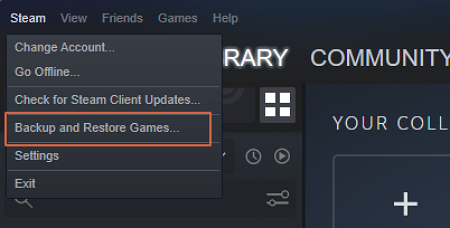
How To Backup GTA V Files On Steam 2026 Tutorial EaseUS Click Steam To Backup Restore . Steam Download Slow How To Fix It Driver Easy Steam Backup Game Fieles Create Backup . Steam Download Slow How To Fix It Driver Easy Steam Back Up Game Files . How To Backup GTA V Files On Steam 2026 Tutorial EaseUS Backup Finish . Steam Download Slow How To Fix It Driver Easy Steam Backup Game Files Browse 600x426


How To Run Steam Backup Game Files Clear Complete Backup Destination . How To Transfer DOTA 2 To Another PC 2 Tested Methods Backup Game Files . Steam Backup Game Files DOCX Steam Backup Game Files Thumbnail . Backup And Restore Steam Game Files Tips For Gamer EaseUS Bakcup Restore Steam Game Files . How To Backup GTA V Files On Steam 2026 Tutorial EaseUS How To Backup Gta V Files Steam

How To Backup Steam Games Steam Backup Games Ss4 . Steam Backup Game Files A Guide To Safeguard Your Progress Steam Bacup Game Files . Eseguire Il Backup Dei Giochi Su Steam How To Backup Steam Game Files 5 . 3 Methods To Backup Steam Games Tech Quintal File Size Backup Steam . How To Backup Games On Steam A Beginner Friendly Guide How To Backup Steam Game Files 3
How To Verify Game Files On Steam An Easy Guide How To Verify Game Files On Steam 2 . How To Backup Games On Steam A Beginner Friendly Guide How To Backup Steam Game Files 6 . How To Backup Restore Steam Cloud Saves Gaming Tips Steam Backup Game Files . Steam Backup Game Files By Steam Backup Magic Tool Steam Backup Game Files 2 . Steam Backup Game Files By Steam Backup Magic Tool Steam Backup Game Files Thumbnail



How To Backup GTA V Files On Steam 2026 Tutorial EaseUS File Recovery Step1 . How To Backup Game Files On Steam 2024 Guide YouTube . Steam March 2026 Client Update Adds Hardware Specs To User Reviews Steam Client Mar 2026 . How To Backup And Restore Steam Games Before Modding Or Tweaking Them . NEW UI How To Backup Game Files On Steam 2023 YouTube

How To Backup GTA V Files On Steam 2026 Tutorial EaseUS Restore Previous Backup . Steam Backup Game Files By Steam Backup Magic Tool Steam Backup Game Files 7 . Steam Backup Game Files By Steam Backup Magic Tool Steam Backup Game Files 3 . Steam Backup Game Files By Steam Backup Magic Tool Steam Backup Game Files 4 . How To Run Steam Backup Game Files Clear Complete Backup Game Files


How To Recover Deleted Steam Files Game Data And Game Saves On PC 4 2 Backup Game 630x450 . How To Backup Steam Games Steam Backup Games Ss1 1 1024x546 . How To Backup And Restore Steam Games Safely Must Do Before Modding . Backup And Restore Steam Game Files Tips For Gamer EaseUS Click Next To Start Restoring . How To Backup Your Steam Games Gadgets 360 Steam Backup Files