Ever wondered does static ip help with gaming? This comprehensive guide dives deep into whether a static IP address can actually boost your online gaming experience. Many US gamers, balancing work and family, seek every edge for optimal performance, smooth gameplay, and reliable connections. We'll explore the real benefits and potential drawbacks of a static IP versus a dynamic IP, focusing on factors like port forwarding, hosting game servers, and network stability. Understand when a static IP might be a game-changer for you, what to consider before getting one, and how it fits into your overall gaming optimization strategy. We'll cut through the hype to give you practical, actionable insights tailored for the average gamer looking to unwind and enjoy their limited gaming time to the fullest, without unnecessary technical jargon or costly upgrades that yield no real gains. Get ready to level up your understanding of network essentials for better gaming.
Does a Static IP Improve My Ping for Online Games?
A static IP address does not directly reduce your ping or latency in online games. Ping is primarily affected by the physical distance to the game server, your internet connection speed, and the overall quality of your ISP's network routing. A static IP provides a consistent network identifier, which is useful for other network tasks, but it won't magically make your data travel faster.
What's the Main Reason a Gamer Might Want a Static IP?
The primary reason a gamer might want a static IP is for consistent and reliable port forwarding. If you host game servers for friends, stream complex setups, or frequently encounter strict NAT types in specific games, a static IP ensures your pre-configured port forwarding rules never break due to a changing public IP address, providing a more stable connection for these activities.
Is Getting a Static IP Expensive for a Home Gamer?
Yes, obtaining a static IP address for your home network usually involves an additional monthly fee from your Internet Service Provider (ISP). While the cost isn't prohibitive, typically ranging from a few dollars to twenty a month, it's an extra recurring expense that should be weighed against its actual benefits for your specific gaming habits.
Does a Static IP Make My Gaming Setup More Secure?
A static IP address doesn't inherently make your gaming setup more secure. In fact, because your IP address remains constant, it can make your network a more consistent target for potential scanning or attacks. Robust firewall rules, strong router passwords, and updated firmware are always crucial for security, regardless of your IP type.
Can I Host a Game Server Better with a Static IP?
Absolutely. If you plan to host a dedicated game server for titles like Minecraft, Ark, or any community server, a static IP is highly recommended. It provides a permanent, unchanging address for players to connect to, eliminating the hassle of constantly updating them if your dynamic IP were to change, ensuring reliable access to your server.
Are there any performance drawbacks to using a static IP for gaming?
No, there are no direct performance drawbacks to using a static IP for gaming in terms of speed or latency. However, the main 'drawback' is the lack of a direct performance *gain* for most gamers who don't utilize its specific benefits like consistent port forwarding or server hosting. It's an extra cost without a universal performance boost.
Should Every Serious Gamer Get a Static IP?
No, not every serious gamer needs a static IP. For competitive gamers, stable internet speed, low ping, and a wired connection are far more critical. A static IP is primarily beneficial for niche scenarios such as hosting dedicated game servers or managing intricate network configurations that rely on unwavering port forwarding, rather than for general competitive play.
Hey fellow gamers! Ever found yourself in the heat of battle, only for your connection to stutter, causing you to miss that crucial headshot or fall victim to a surprise attack? We've all been there. For many of us, gaming is a vital escape, a way to unwind after a long day of work and family responsibilities. We value stable performance, smooth social interactions, and making the most of our precious gaming time. With a whopping 87% of US gamers playing regularly, often dedicating 10+ hours a week, optimizing our setup is key to relaxation and fun.
You might have heard whispers in forums or Discord channels about the mystical 'static IP' and wondered, 'does static ip help with gaming?' Is it a secret weapon for lower ping, better stability, or an unnecessary technical hurdle? This guide will break down the truth about static IP addresses and how they genuinely impact your gaming experience. We're here to give you the clear, no-nonsense answers you need to decide if a static IP is the right move for your balanced gaming life, without blowing your budget or wasting your time on hype. Let's dive in and sort out the facts from the fiction.
What is a Static IP Address and How Does it Differ from Dynamic?
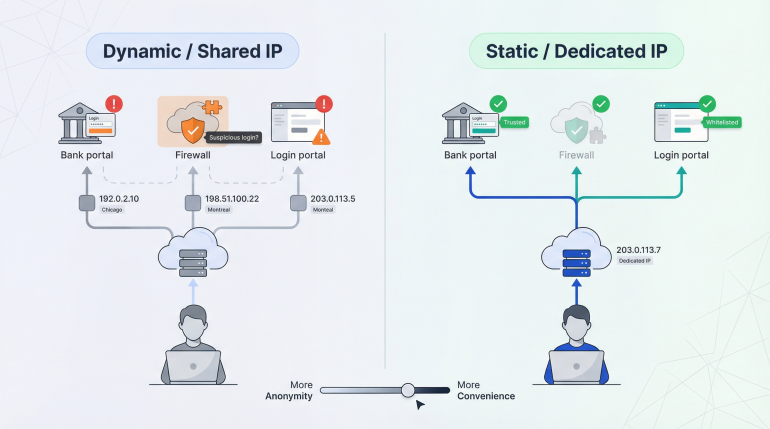
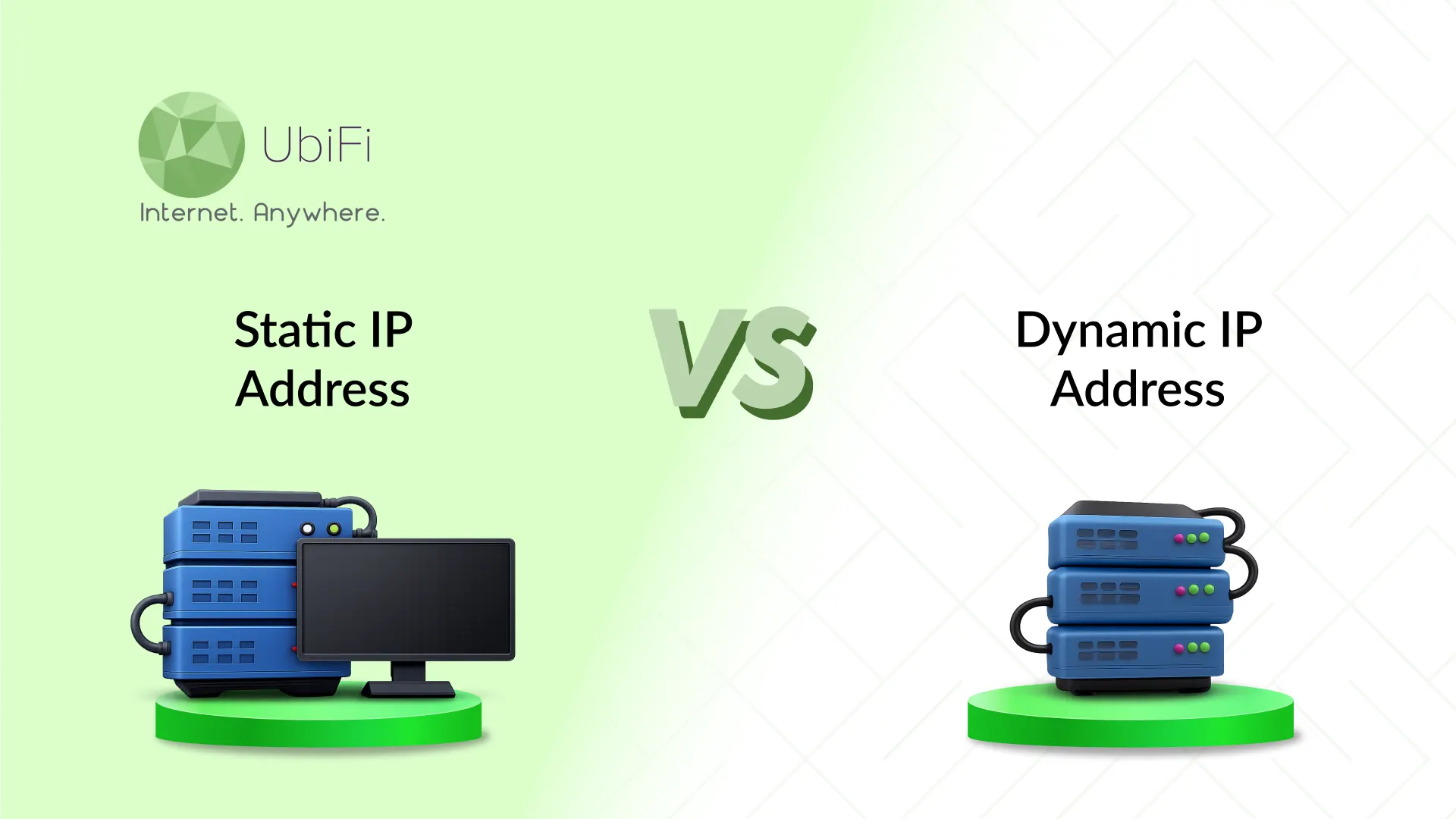
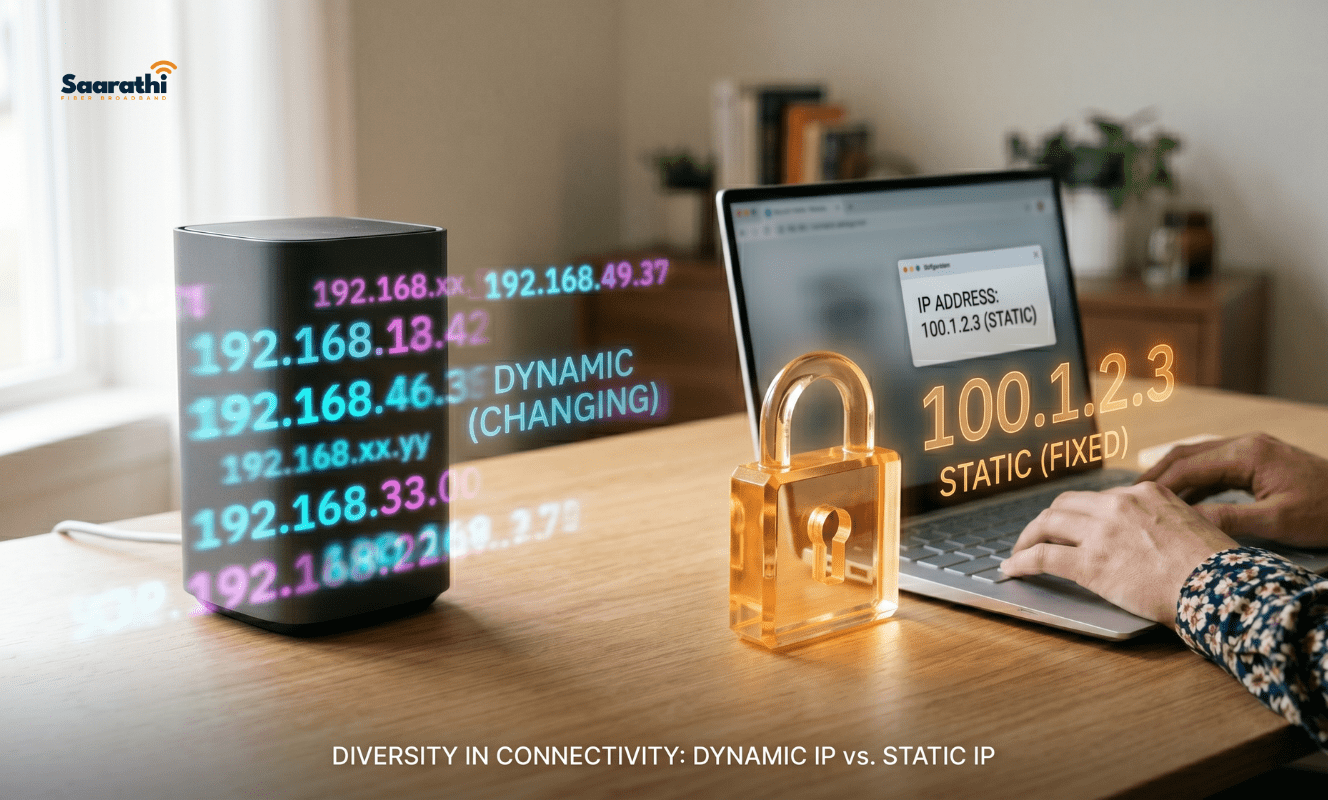
An IP address is essentially your device's unique identifier on a network, much like your home address. There are two main types you'll encounter: dynamic and static. A dynamic IP address is the most common type for home internet users, assigned automatically by your Internet Service Provider (ISP) from a pool of available addresses. This address can change periodically, typically when your router reboots or at intervals set by your ISP, which usually goes unnoticed by the average user.
On the other hand, a static IP address is a fixed, permanent IP address assigned to your network by your ISP. It remains constant and does not change unless you specifically request it from your provider. Think of it as having a dedicated mailing address that never fluctuates. For most everyday internet usage, a dynamic IP is perfectly fine. However, in specific scenarios, particularly for those looking to optimize their home network for specific tasks, a static IP can offer unique advantages. Understanding this fundamental difference is crucial before considering if a static IP truly helps with gaming.
Does a Static IP Directly Improve Gaming Performance like Ping or Latency?
This is a common misconception many gamers have. The short answer is no, a static IP address itself does not directly reduce your ping, lower latency, or increase your internet speed. Your ping, which is the time it takes for data to travel from your device to a game server and back, is primarily influenced by factors like the physical distance to the game server, the quality of your internet connection (fiber, cable, DSL), your ISP's network routing, and overall network congestion.
A static IP doesn't magically make data travel faster. It simply provides a consistent identification for your network. If you're struggling with high ping or frequent disconnections, a static IP is unlikely to be the silver bullet. Instead, you'd want to look into upgrading your internet plan, using an Ethernet cable instead of Wi-Fi, optimizing your router settings, or even exploring a gaming VPN (though these can introduce their own latency). The core function of a static IP is about network identification stability, not raw speed or latency reduction.
When Would a Static IP Be Advantageous for a Gamer?
While a static IP doesn't directly impact ping, it shines in specific scenarios that can indirectly enhance your gaming experience, especially for those who delve beyond casual play or are power users. If you're a gamer who loves to experiment, host private sessions, or stream, a static IP might offer some worthwhile benefits. Consider these advantages:
- Reliable Port Forwarding: This is arguably the biggest benefit. Port forwarding allows specific incoming connections to bypass your router's firewall and reach a particular device on your home network. With a dynamic IP, if your address changes, your carefully configured port forwards can break, requiring manual re-configuration. A static IP ensures your port forwards remain active and consistent, vital for games that struggle with NAT types (like some older console games) or for optimizing connections in peer-to-peer titles.
- Hosting Game Servers: If you're running your own dedicated game server for popular titles like Minecraft, Ark, or even a private PvP server for your Discord community, a static IP is highly recommended. It provides a fixed, easy-to-remember address for your friends to connect to, eliminating the need to constantly update them if your IP changes. This consistency is crucial for smooth server operation and accessibility.
- Remote Access and Media Streaming: While not strictly gaming, many gamers also manage home media servers or want remote access to their gaming PC. A static IP makes setting up reliable remote desktop connections or accessing your Plex server from outside your home much simpler, as the address you use to connect never changes.
- Consistent Network Identity: For specific online services or legacy gaming platforms that might be sensitive to IP changes, a static IP can prevent minor hiccups. While this is less common with modern gaming services, some niche applications can benefit from this unwavering network identity.
For US gamers balancing life and play, these benefits are most appealing if you're engaging in activities like hosting game servers or facing consistent port forwarding woes. For the average player who just wants to jump into a quick match, a static IP's direct advantages might be minimal.
What are the Potential Downsides or Risks of Using a Static IP for Gaming?
Before you rush to your ISP, it's important to understand that a static IP isn't without its potential drawbacks. Like any network configuration, it comes with considerations that might outweigh the benefits for some gamers:
- Cost: Most ISPs charge an additional monthly fee for a static IP address. While not exorbitant, this extra cost adds up over time. For a gamer on a budget, this money might be better spent on a faster internet plan, a better router, or even new games.
- Increased Security Risk (Slightly): Because your IP address never changes, your network becomes a more consistent target for potential attackers. While this risk is often overstated for typical home users, a static IP makes it slightly easier for malicious actors to identify and target your network over time. Strong router security, updated firmware, and good firewall practices are always essential, but even more so with a static IP.
- No Direct Performance Boost: As discussed, a static IP won't magically solve lag, slow speeds, or poor Wi-Fi. If those are your primary issues, a static IP will likely not provide the fix you're hoping for. It's a tool for specific network configurations, not a general performance enhancer.
- Less Privacy: With a static IP, your online activity can be more easily tied back to your specific location and identity by services that track IP addresses. While ISPs already know your activity, the unchanging nature of a static IP means less anonymity than a dynamic one that rotates.
For the average gamer simply looking to play their favorite titles like the latest open-world RPGs or popular social games, these downsides often outweigh the niche benefits. It’s crucial to weigh the costs against the specific problems you’re trying to solve.
How Do I Set Up or Obtain a Static IP for My Gaming Setup?
Getting a static IP isn't something you can typically do yourself through your router settings for your external, public IP. This is a service that needs to be provided by your Internet Service Provider (ISP). Here’s a general rundown of the process:
- Contact Your ISP: This is the first and most crucial step. Call their customer service or check their website for information on static IP offerings for residential customers. Be aware that some ISPs primarily offer static IPs to business customers, or they might charge a premium for residential static IPs.
- Understand the Costs: Ask about any additional monthly fees associated with a static IP. Make sure these costs align with your budget and perceived benefits.
- Provide Necessary Information: Your ISP might require your account details, the reason you need a static IP (e.g., for game server hosting), and confirmation of your current service.
- Configuration (Usually Automatic): Once your ISP processes your request, they will typically configure your network to receive the static IP. In most cases, you might just need to reboot your modem/router, and the new static IP will be assigned. There’s usually no complex setup required on your end for the external IP.
- Verify: After the change, you can verify your IP address by visiting a website like 'What Is My IP Address' to confirm it’s the static one provided by your ISP.
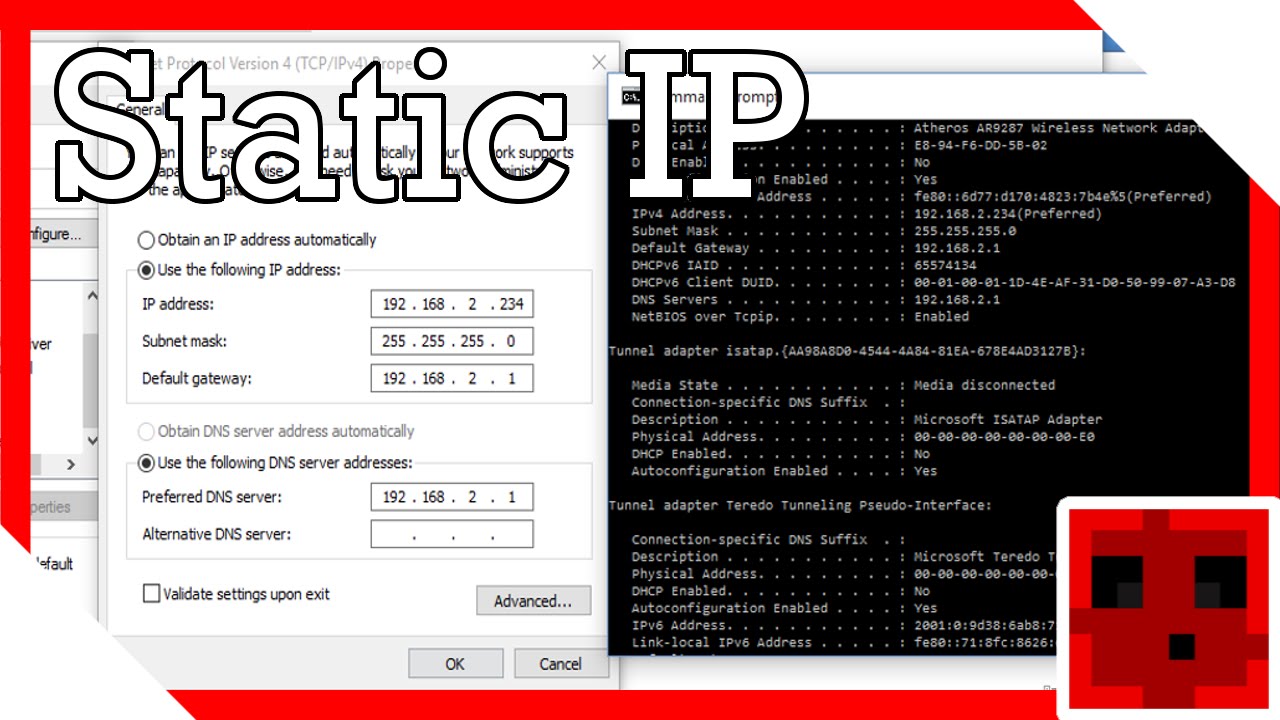
Remember, this process only applies to your *public* IP address. You can configure a *static local IP address* for your gaming PC or console within your router settings (often called DHCP Reservation). This ensures your device always gets the same internal IP on your home network, which is very helpful for consistent port forwarding, regardless of whether your public IP is dynamic or static.
Does a Static IP Make Port Forwarding Easier or More Stable?
Absolutely, this is where a static IP truly shines for many gamers! Port forwarding involves telling your router to send specific types of internet traffic to a particular device on your local network. It's essential for improving NAT types (like getting an Open NAT), reducing connection issues in certain games, or allowing friends to connect directly to your game server. With a dynamic IP, if your public IP address changes, your pre-configured port forwarding rules can effectively break, as they were set up for an old address. This can lead to unexpected connection problems or friends being unable to join your game.
A static IP removes this frustration entirely. Since your public IP address never changes, any port forwarding rules you set up will remain consistently active and functional. This provides a much more stable and reliable environment for anyone needing specific ports open. For gamers hosting private lobbies, running dedicated servers, or frequently encountering strict NAT issues, the stability provided by a static IP for port forwarding is a significant convenience and performance enhancer for connectivity.
Is a Static IP Beneficial for Hosting My Own Game Servers or Streaming?
Yes, unequivocally! If you're serious about hosting your own game servers, whether for a small group of friends or a larger community, a static IP is incredibly beneficial. Imagine setting up a dedicated server for a popular survival game or a classic shooter for your buddies. With a dynamic IP, every time your public address changes, your friends would need to get the new IP to connect, which is a significant hassle.
A static IP provides a permanent address that your friends can consistently use, making connection seamless and reliable. It simplifies the entire server management process. For streamers, while a static IP doesn't directly improve your upload speed or stream quality (that depends on your internet plan), it can offer peace of mind for specific configurations. If you use custom streaming setups that rely on direct incoming connections or port forwarding, having a stable IP ensures these configurations remain unbroken. In essence, for anyone acting as a host or server provider, a static IP offers a foundational layer of stability and accessibility that significantly enhances the experience.
Are There Better Alternatives for Optimizing Gaming Performance Than a Static IP?
For most US gamers, especially those focused on general performance and competitive play rather than hosting, there are indeed more impactful ways to optimize your connection than getting a static IP. These alternatives often yield more direct improvements in ping, stability, and overall experience:
- Upgrade Your Internet Speed: This is often the biggest factor. A faster download and upload speed from your ISP means more bandwidth for gaming, streaming, and other online activities.
- Use a Wired Ethernet Connection: Ditch Wi-Fi if possible! An Ethernet cable provides a direct, stable connection, eliminating interference, signal drops, and latency fluctuations inherent to wireless. This is a game-changer for competitive gaming.
- Invest in a Quality Router: An older or budget router can be a bottleneck. Modern gaming routers offer better QoS (Quality of Service) features to prioritize gaming traffic, stronger Wi-Fi signals, and more robust hardware to handle multiple devices.
- Optimize Router Settings (QoS): Learn how to set up Quality of Service (QoS) on your router to prioritize your gaming device's traffic over other network activities (like someone streaming Netflix in 4K).
- Update Router Firmware: Keep your router's firmware updated to ensure optimal performance, security, and bug fixes.
- Consider a Gaming VPN (Selectively): While VPNs can sometimes *add* latency, certain gaming-optimized VPNs claim to route your traffic through faster paths to game servers, potentially reducing ping in specific scenarios or bypassing ISP throttling. Research carefully before committing.
- Minimize Network Congestion: Avoid large downloads, streaming, or multiple devices using heavy bandwidth during your critical gaming sessions.
By focusing on these areas first, you'll likely see more significant and immediate improvements in your daily gaming experience, especially if you're battling common issues like lag, disconnections, or inconsistent ping. These are generally more cost-effective and impactful solutions for the average gamer looking to maximize their fun without diving too deep into advanced network configurations.
The Verdict: Is a Static IP Worth It for the Average Gamer?
So, does static ip help with gaming enough to justify the cost and effort? For the vast majority of US gamers, including the busy adults balancing life and play, a static IP address is generally *not* a necessity and often won't provide a direct, noticeable improvement in typical online gameplay. If your main goals are lower ping, less lag, and faster download speeds, your money and effort are better spent on a faster internet plan, a robust router, or simply using a wired Ethernet connection.
However, if you frequently host your own game servers, need consistent port forwarding for specific niche games or applications, or manage complex home network setups that require a stable external IP, then a static IP becomes a valuable tool. It offers stability and convenience in these particular situations. Weigh your specific needs against the additional cost and slight security considerations. For most of us who just want to jump into a quick match of our favorite social game or explore a new release, stick with your dynamic IP and focus on the more impactful performance optimizations. What's your biggest gaming challenge? Comment below and let's help each other out!
Frequently Asked Questions About Static IPs and Gaming
Is a static IP more secure for gaming? A static IP itself isn't inherently more or less secure. However, it can make your network a more consistent target if not properly secured, as its address doesn't change. Always ensure your router firmware is updated and strong firewall rules are in place.
Can I get a static IP for free? No, static IPs are typically a premium service offered by your Internet Service Provider (ISP) and usually come with an additional monthly fee. Free static IP services are often not truly static or reliable for gaming.
Does VPN negate the benefits of a static IP for gaming? Yes, when you use a VPN, your traffic is routed through the VPN servers, and your public IP address becomes that of the VPN server. This effectively overrides any static IP benefits for external connections while the VPN is active.
Will a static IP fix all my lag issues? No, definitely not. A static IP primarily helps with consistent network identification and port forwarding. Lag is often caused by factors like internet speed, Wi-Fi interference, server distance, or ISP routing issues. It's a small piece of a larger network puzzle.
Is a static IP necessary for competitive gaming? For most competitive gamers, a static IP is not necessary. A stable internet connection, low ping, and strong hardware are far more critical. Professional gamers focus on optimizing their entire network setup rather than just the IP type.
Will a static IP improve my download or upload speeds for games? No, a static IP address has no direct impact on your internet download or upload speeds. Those speeds are determined by your internet service plan and the capabilities of your ISP's network infrastructure. A static IP only affects the consistency of your network's external identification.
,`,Static IP provides consistent network identity, crucial for port forwarding and self-hosting game servers. It does not directly reduce lag or improve internet speed but offers stability for specific network configurations. Dynamic IPs are standard and sufficient for most gamers. Weigh benefits against costs and potential security considerations before committing to a static IP.
35


Why You Need A Static IP For Gaming Social Post . Static IP In India Does JioFiber Or Airtel Offer One 2026 Guide Requesting Static Ip Jiofiber Airtel 1024x617 . DHCP Vs Static IP In 2026 Best For Flexible And Secure Network SEOon DHCP Vs Static IP 2026 . Static IP In India Does JioFiber Or Airtel Offer One 2026 Guide Configure Static Ip Router Settings 768x463 . How To Assign A Static IP Address To Your Devices A Complete Step By Image 427



Advantages Of Static IPs In Device Integration LCD LCD Static IP Address Imagery For Blog . How Do You Set Up A Static IP Address For Gaming YouTube . Static IP On Azure What Are Your Options QuotaGuard Technical Blog SOC 2 Egress Control How Static IPs Help You Pass The Network Security. Dynamic Vs Static IP How To Choose The Right Option For Your Setup 4nXeDG6DU Je9P . Remote Access To Your Network Without A Static IP Fede852f 16ce 45df 9635


How To Configure Hikvision DVR On Static IP In 2026 Easy Guide How To Configure Hikvision Dvr On Static Ip 0.webp. Static IP VPN Providers Compared Best Picks For Server Access This Section Defines The Core Concept Of Static Versus Dynam 770 . What Is UPS Access Point Secure Package Delivery What Is A Static Ip Address . Why You Need A Static IP For Gaming Static IP For Gaming OG . What Is An IP Address A Beginner S Guide TecAdmin Static Vs Dynamic Ip


How To Set Up And Use A Static IP Address In 2026 How To Set Up A Static Ip Address . Static IP Vs Dynamic IP What S The Difference Virgin Media O2 Static Ip Vs Dynamic Column . Check If IP Is Static Or Dynamic 5 Methods 2026. How Does A Static IP Address Improve Network Performance Game Or Video . Dynamic Vs Static IP What S The Difference Which To Choose Image

How To Setup A Static IP Windows 10 Tutorial YouTube . Static IP On Azure What Are Your Options QuotaGuard Technical Blog How To Get A Static IP For Gigalixir Apps.webp. Why Is A Static IP Needed For Gaming YouTube . What Is A Static Or Dynamic IP Address Learn Your Basics What Is A Static Or Dynamic IP 1024x586 . 5 Best VPNs With Static Or Dedicated IP Address In 2026 Vpn With Static Ip Thumbnail



Static IP For Remote Work In India ISP Charges Is It Worth It 2026 Requesting Isp Static Ip India 1024x617 . How To Set Static Ip Windows Full Guide For Easy Setup Wingeek Static Ip. 7 Video Games Where You Are THE Rabbit Review Roundup Does Crimson Desert Live Up To Its Ambition 1 . Static Vs Dynamic IP Addresses What S The Difference Static Vs Dynamic Ip. Static IP In India Does JioFiber Or Airtel Offer One 2026 Guide Static Ip In India Dynamic Vs Static
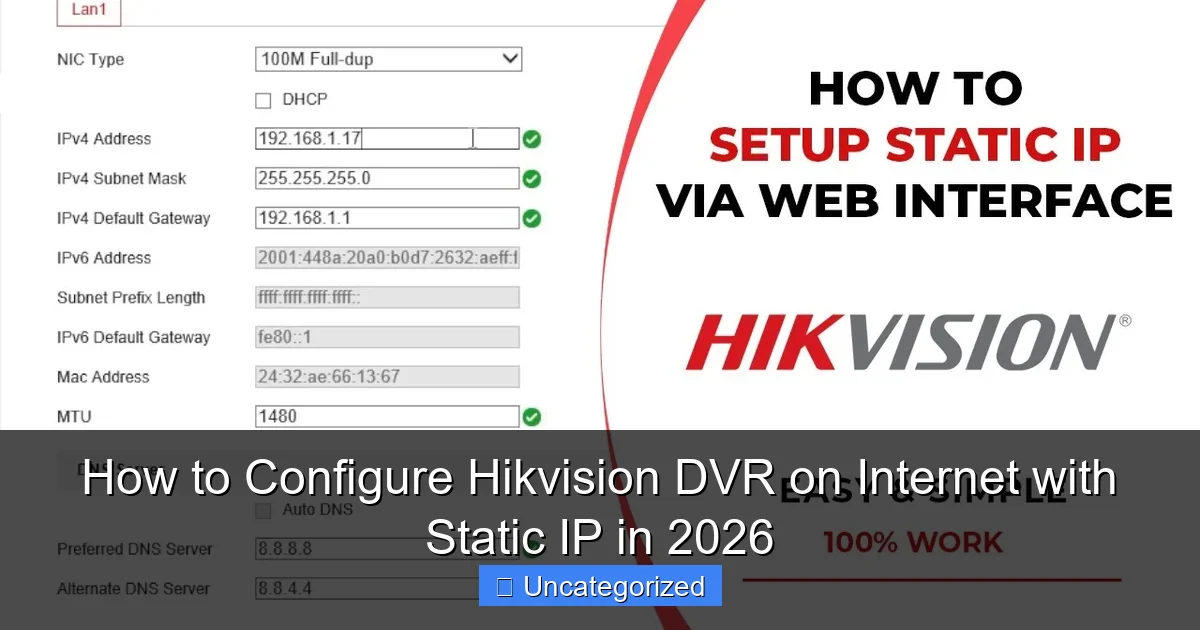


What Is A Static IP Address Advantages Of Using A Static IP What Is A Static Ip Address . How To Set A Static IP Address On Any Device Easy Guide On 2026 How To Set A Static Ip. How To Configure Hikvision DVR On Internet With Static IP In 2026 How To Configure Hikvision Dvr On Internet With Static Ip 0.webp. What Is A Static IP Address How To Set It Up. What Is Static IP How It Differs From Dynamic IP NordLayer Blog What Is Static IP How It Differs From Dynamic IP Cover Web 1400x800