Ever wondered why you feel utterly drained after a few hours of gaming, even when it's supposed to be relaxing? It's a common experience for many US gamers, especially those juggling jobs, families, and other life responsibilities. This comprehensive guide dives deep into the phenomenon of gaming fatigue, exploring the physiological and psychological reasons why video games can leave you feeling tired. Discover practical, actionable strategies and expert tips to combat eye strain, mental exhaustion, and disrupted sleep. Learn how to optimize your gaming habits, set up an ergonomic battle station, and integrate wellness practices to ensure your favorite hobby remains a source of enjoyment and not burnout. We'll cover everything from smart break schedules and hydration to game choices and balancing screen time, helping you maintain peak performance and energy levels both in-game and in real life. Stay current with gaming trends and keep your passion alive without sacrificing your well-being.
Is it normal to feel exhausted after gaming for hours?
Yes, it's very common and completely normal to feel exhausted after extended gaming sessions. This fatigue stems from intense mental focus, rapid visual processing, elevated adrenaline, and sustained physical tension, all of which drain your cognitive and physical resources over time, similar to a demanding mental workout.
What are the main reasons gaming makes me so tired?
Gaming makes you tired primarily due to several factors: mental fatigue from constant decision-making and focus, eye strain from staring at screens, sleep disruption caused by blue light exposure and adrenaline, and physical fatigue from maintaining static postures for extended periods. Dehydration and poor nutrition can also contribute significantly.
How can I keep my eyes from getting tired during long gaming sessions?
To prevent eye fatigue, implement the 20-20-20 rule (every 20 minutes, look 20 feet away for 20 seconds). Optimize your monitor's brightness and contrast, use blue light filters, ensure proper room lighting, and consciously blink more often to keep your eyes lubricated. Consider blue light glasses for added protection.
Does competitive gaming drain more energy than casual play?
Absolutely. Competitive gaming, like in esports titles or ranked modes, demands peak concentration, faster reaction times, strategic thinking under pressure, and often triggers higher adrenaline levels. This intense, sustained mental and emotional output typically leads to much quicker and more profound fatigue compared to leisurely, casual gaming sessions.
What kind of breaks should I take to combat gaming fatigue?
To combat gaming fatigue effectively, take short, active breaks every 30-60 minutes. Get up, walk around, stretch your muscles (especially neck, shoulders, and wrists), and hydrate. Avoid simply switching to another screen. These breaks help reset your mind and body, improve circulation, and reduce the buildup of strain.
Can my gaming setup contribute to feeling tired?
Yes, a poorly optimized gaming setup can significantly contribute to feeling tired. Incorrect monitor height, an unsupportive chair, or awkward keyboard and mouse positioning force your body into strained postures. This leads to physical discomfort, pain, and accelerated fatigue, diverting energy that could be used for gaming enjoyment or daily tasks.
Are there ways to boost my energy levels naturally while gaming?
Yes, you can naturally boost energy by prioritizing hydration with water, consuming balanced, nutritious snacks (like nuts or fruit) instead of sugary options, and ensuring your gaming sessions are interspersed with active breaks. Maintaining a consistent sleep schedule and optimizing your diet overall will also contribute to sustained energy.
You settle down for a quick gaming session after a long day, hoping to unwind. Fast forward a few hours, and instead of feeling refreshed, you're hit with a wave of exhaustion. Sound familiar? If so, you're not alone. Many US gamers, especially the 60% who are balancing their passion with jobs, families, and life's endless demands, often find themselves asking: does gaming make you tired?
This isn't just about pulling all-nighters. Even regular gaming can lead to significant fatigue, impacting everything from your next day's productivity to your overall well-being. With approximately 87% of US gamers playing regularly, and many averaging 10+ hours a week across mobile, PC, and console platforms, understanding and combating gaming-induced tiredness is crucial. Gaming should be fun, skill-building, and a social escape, not another source of burnout. This guide will explore why gaming makes you tired and, more importantly, provide practical, problem-solving strategies to help you stay energized and enjoy your digital adventures without the drain.
Why Does Gaming Make You Tired Even When You're Just Sitting?
It might seem counterintuitive that a largely sedentary activity could leave you feeling physically and mentally drained, but the reasons are surprisingly complex. Gaming isn't just passive entertainment; it's a highly engaging activity that demands significant cognitive and physical resources. Your brain is constantly processing rapid visual information, making split-second decisions, and reacting to dynamic environments. This intense mental workout, coupled with sustained focus, can lead to cognitive fatigue similar to studying or problem-solving for extended periods. Furthermore, the emotional investment in games, especially competitive titles or compelling narratives, can elevate stress hormones like adrenaline, making true relaxation difficult even after the screen goes dark.
Is Gaming Fatigue a Real Problem for Busy Adults?
Absolutely, gaming fatigue is a very real and often overlooked issue, especially for the average US gamer around 36 years old. For adults balancing work, family, and other commitments, the time dedicated to gaming is precious. When that time leads to exhaustion, it undermines the very purpose of relaxation and fun. Unlike younger players who might have more resilient energy levels, busy adults often have fewer reserves. Sustained mental exertion from gaming can impair next-day focus, decision-making, and overall mood, creating a ripple effect on daily responsibilities. This makes managing gaming habits not just about enjoyment, but about maintaining life balance.
How Can I Reduce Eye Strain While Gaming for Longer?
Eye strain is a primary culprit in gaming fatigue. Staring at a screen for hours without adequate breaks forces your eyes to work harder, leading to dryness, blurriness, headaches, and general discomfort. The good news is that several effective strategies can significantly reduce this strain:
- The 20-20-20 Rule: Every 20 minutes, look at something 20 feet away for at least 20 seconds. This simple practice helps reset your eyes' focus.
- Optimize Monitor Settings: Adjust brightness to match your room's lighting. Reduce blue light emissions, especially in the evening, using built-in monitor settings or software. Higher refresh rate monitors can also reduce perceived flicker, easing eye fatigue.
- Proper Lighting: Game in a well-lit room, avoiding direct glare on your screen or extreme darkness, which forces your eyes to adapt constantly.
- Blink More: Consciously remind yourself to blink regularly to keep your eyes lubricated.
- Blue Light Filters: Consider using blue light filtering glasses or screen protectors, especially if your software options are limited.
What Role Do Hydration and Nutrition Play in Gaming Energy?
Your body and brain need fuel to perform optimally, and gaming is no exception. Dehydration can lead to headaches, reduced concentration, and overall sluggishness. Many gamers reach for sugary drinks or caffeine, which provide a temporary boost followed by a crash. Instead, prioritize:
- Water is King: Keep a water bottle handy and sip throughout your gaming sessions. Aim for consistent hydration.
- Smart Snacking: Opt for brain-boosting snacks like nuts, fruits, whole-grain crackers, or yogurt. These provide sustained energy without the sugar spike and crash. Avoid processed foods that can leave you feeling heavy and lethargic.
- Balanced Meals: Ensure your main meals are balanced with lean proteins, complex carbohydrates, and healthy fats to provide a steady supply of energy for both your body and your demanding gaming sessions.
How Do Gaming Sessions Impact My Sleep Quality?
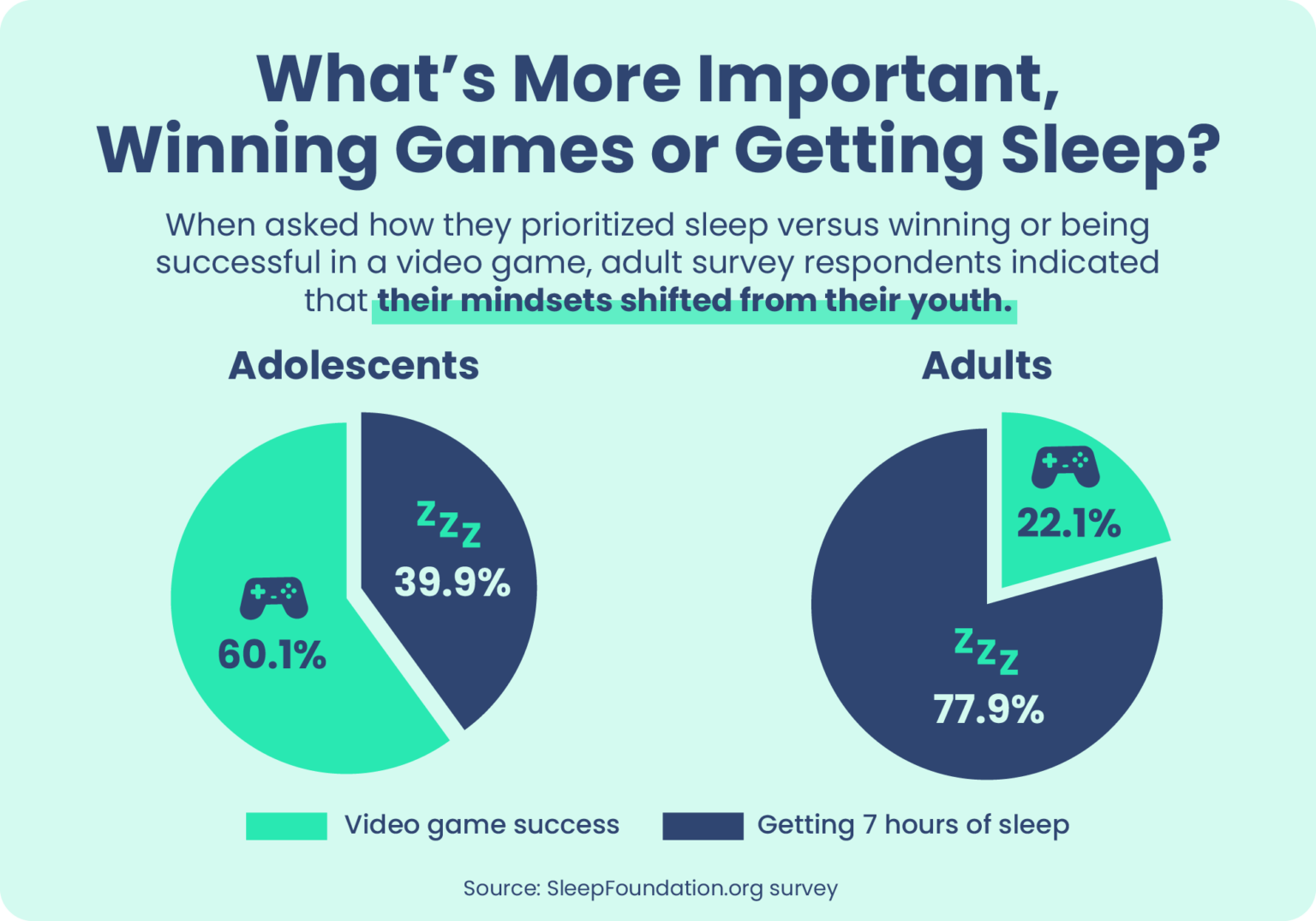
Gaming, especially in the evening, can significantly disrupt your sleep cycle. The bright screens emit blue light, which suppresses melatonin, a hormone crucial for regulating sleep. Furthermore, the excitement and adrenaline from intense gameplay can keep your mind wired, making it difficult to unwind and fall asleep. Studies show that consistent exposure to blue light before bed can push back your internal clock, leading to later bedtimes and poorer quality sleep.
To protect your sleep:
- Set a Cut-Off Time: Aim to stop gaming at least 1-2 hours before your planned bedtime.
- Blue Light Filters: Utilize night mode settings on your devices or wear blue light blocking glasses.
- Establish a Wind-Down Routine: After gaming, engage in relaxing activities like reading, listening to calm music, or stretching to help your mind and body transition to sleep.
- Create a Sleep-Friendly Environment: Ensure your bedroom is dark, quiet, and cool.
Are There Specific Games That Are Less Tiring?
Yes, the type of game you play can drastically affect your fatigue levels. High-APM (Actions Per Minute) competitive games like MOBAs, FPS titles, or complex strategy games demand constant vigilance and rapid decision-making, leading to quicker mental exhaustion. In contrast, many US gamers are trending towards more relaxing experiences:
- Cozy Games: Titles like Animal Crossing, Stardew Valley, or simulation games offer gentle gameplay loops and low-stress environments.
- Turn-Based Strategy: Games where you can take your time to plan moves (e.g., Civilization, XCOM) reduce the pressure of real-time reactions.
- Narrative-Focused Adventures: Story-driven single-player games can be immersive without being as mentally taxing as competitive multiplayer.
- Social Casual Games: Playing with friends in low-stakes games like Among Us or Jackbox allows for social interaction without intense performance pressure.
Consider your energy levels and time constraints when choosing what to play, especially if you're looking to unwind.
What Ergonomics Tips Can Prevent Physical Fatigue?
Poor posture and an ill-equipped setup are silent killers of your energy and comfort. Ignoring ergonomics can lead to back pain, neck strain, wrist issues, and general physical fatigue. Investing a little time in your setup can yield huge benefits:
- Supportive Chair: A good ergonomic gaming chair or office chair with lumbar support is crucial. Your feet should be flat on the floor, and your knees at a 90-degree angle.
- Monitor Height: Position your monitor so the top of the screen is at or slightly below eye level. This prevents neck strain.
- Keyboard and Mouse: Keep your keyboard and mouse close to your body to avoid overstretching. Consider wrist rests if needed.
- Desk Height: Ensure your desk height allows your arms to be at a 90-degree angle when typing or using the mouse.
- Regular Movement: Even with a perfect setup, static posture is bad. Stand up, stretch, and walk around for a few minutes every hour.
How Can I Balance Gaming with My Job and Family Life?
For many adult gamers, the biggest challenge isn't just fatigue, but guilt or difficulty integrating gaming into a busy schedule. The key is mindful planning and setting boundaries. Social gaming trends, including cross-play and Discord communities, show that connection is vital, but it needs to fit your life.
- Schedule Your Sessions: Treat gaming like any other appointment. Block out specific, realistic times.
- Communicate: Let family know when you plan to game. This avoids conflicts and makes your gaming time more respected.
- Short Bursts: If you have limited time, embrace shorter gaming sessions. Many modern games are designed for pick-up-and-play.
- Involve Family: Explore games that can be played with family members. Social gaming doesn't just mean online with friends; it can be local co-op with kids or partners.
- Set Priorities: Understand that sometimes life takes precedence. It's okay to miss a raid if a family event comes up.
When Should I Take Breaks and How Often?
Breaks are not just for your eyes; they're essential for your brain and body. Regular breaks prevent the accumulation of fatigue and can actually improve your performance by allowing your mind to reset. Aim for:
- Scheduled Mini-Breaks: Every 30-60 minutes, take a 5-10 minute break.
- Active Breaks: Don't just scroll on your phone. Get up, stretch, walk to get water, or do a few quick exercises. This boosts circulation and clears your head.
- Longer Breaks: After 2-3 hours, take a longer break (20-30 minutes) to step away from the screen entirely, eat a meal, or engage in a non-gaming activity.
Does Hardware or Setup Affect Gaming Fatigue?
While software optimizations are key, your hardware setup absolutely plays a role in how tired you feel. Performance problems can lead to frustration and mental strain, while uncomfortable peripherals exacerbate physical discomfort.
- Performance: A PC or console struggling to run a game can cause stuttering and low frame rates, which are more visually jarring and mentally taxing. Ensure your hardware meets game requirements or adjust settings accordingly.
- Monitor Quality: A good quality monitor with a high refresh rate and adaptive sync (G-Sync/FreeSync) provides a smoother visual experience, reducing eye strain.
- Comfortable Peripherals: A responsive, comfortable mouse, keyboard, or controller reduces hand and wrist fatigue. Customizing settings to your preference also helps.
- Audio Setup: Quality headphones can enhance immersion without excessive volume, protecting your hearing.
How Can I Recharge My Energy After a Long Gaming Session?
The post-gaming wind-down is just as important as the session itself. Don't immediately transition from a high-intensity game to bed or demanding tasks. Give your body and mind time to decompress.
- Hydrate and Snack Smart: Replenish fluids and have a healthy snack if you're hungry.
- Light Stretching or Movement: Gently stretch your neck, shoulders, back, and wrists. A short walk can also help.
- Switch Activities: Engage in a low-stimulation activity like reading a physical book, listening to music, or talking with family.
- Reflect, Don't Ruminate: If you had a tough game, acknowledge the emotions but try not to dwell on them. Focus on the fun and social aspects instead.
It's all about creating a buffer zone between intense gaming and the rest of your life.
Conclusion: Game Smart, Live Energized
The question
Gaming can cause fatigue due to mental strain eye strain sleep disruption poor posture dehydration. Solutions include breaks ergonomics hydration mindful gaming sleep hygiene. Adults balancing life often experience this more acutely. Prioritize wellness to sustain gaming enjoyment.
35
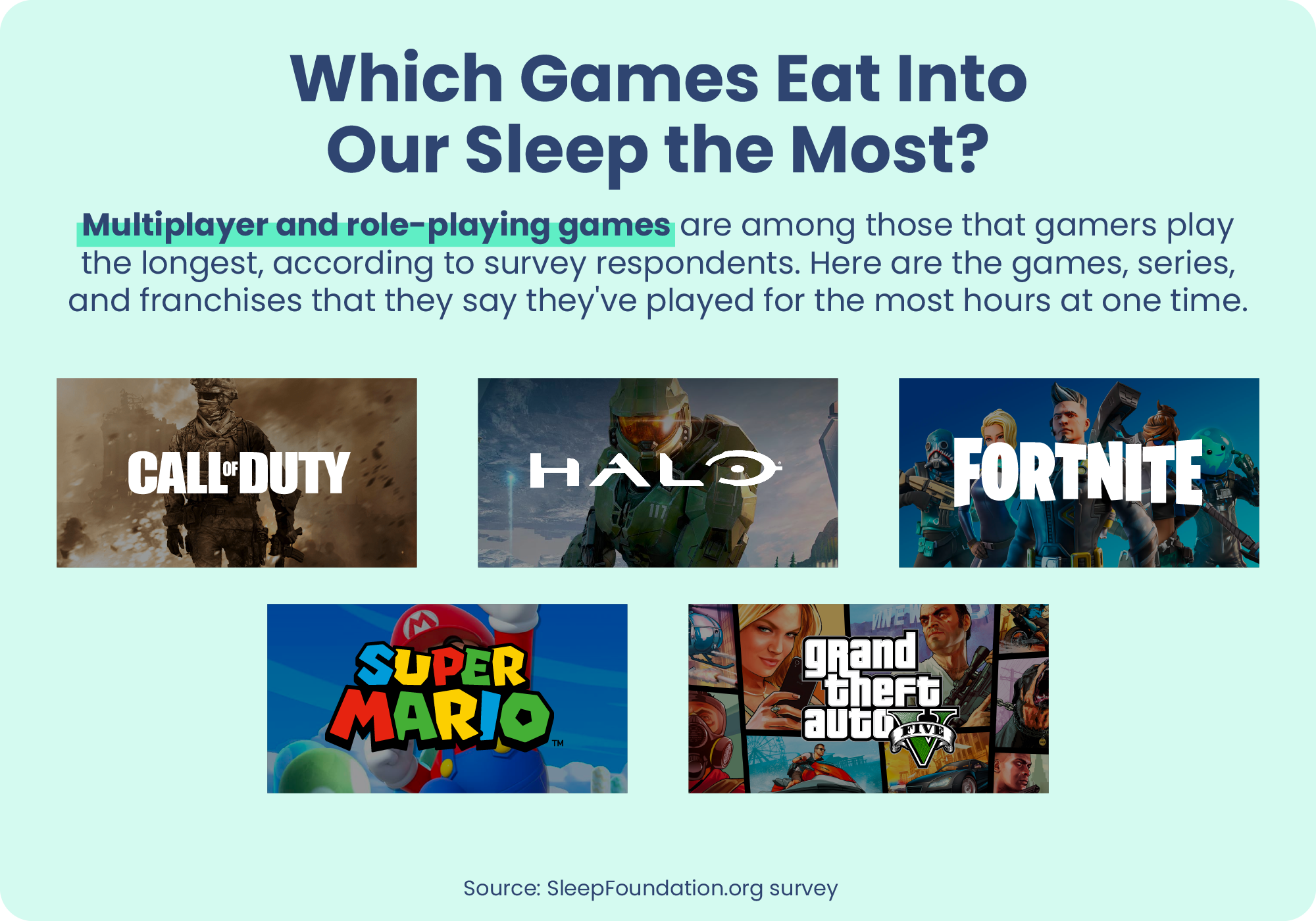
What Game Makes You Too Tired To Play After Work LevelUpTalk Tired Person Gaming 01 28 2026 C5058885 A032 41ca A01f. Ways Of Avoiding Gaming Fatigue Avoiding Gaming Fatigue . Gaming Fatigue And How To Combat It Gaming Fatigue 1024x683 . How Gamers Actually Sleep Sleep Foundation 3ua4w7a SF Graphics WhichGames Desktop V2 . Why Does Gaming Make Me Tired Why Does Gaming Make Me Tired



Man Obsessed With Playing Videogames All Day Falling Asleep At Computer Man Obsessed With All Day Falling Asleep At Computer Desk Crushing On Floor From Tiredness Gamer Suffering From Gaming Addiction Feeling Extremely Sleepy Dropping From Chair Video . Drowsy Man Feeling Tired After Obsessively Playing Videogames All Day Drowsy Man Feeling Tired After Obsessively All Day Struggling To Stay Awake Unable To Control Addiction Sedentary Gamer Falling Asleep On Chair While Competing In Online Game Video . How Gamers Actually Sleep Sleep Foundation 3ua4w7a SF Graphics WhichGames Mobile V2 1195x1536 . How Gamers Actually Sleep Sleep Foundation 3ua4w7a SF Graphics Mobile V2 797x1024 . Gaming Fatigue And How To Handle It 85377 Gaming Fatigue Handle Blogbanner1

Free Photo Lethargic Man Addicted To Gaming Feeling Extremely Tired Lethargic Man Addicted Gaming Feeling Extremely Tired After Engaging Games All Day 482257 99040 . Can Video Games Affect Sleep The Impact Of Gaming On Sleep Deprivation . Tired Gamer Gaming Lifestyle Cyber Addiction Stock Photo Alamy Tired Gamer Gaming Lifestyle Cyber Addiction 2A7J1RK . And Overcoming Gaming Addiction Pickard Properties Tired Student Female Gamer 1024x683 . How Online Gaming Affects Sleep Patterns In College Students Gamers In College Aren T Getting Enough Sleep 1024x614



931 Tired Gamer Images Stock Photos Vectors Sleepy Male Gamer Feeling Tired 260nw 2052897245 . Five Effective Ways Of Coping With Gaming Burnout Keep Gaming Fatigue Five Effective Ways Of Coping With Gaming. How Gamers Actually Sleep Sleep Foundation How Gamers Actually Sleep 300x200 . Gaming Fatigue Prevent Burnout And Save Your Career Esports Healthcare Migraine Gamer 768x384 . Is Gaming A Hobby 5 Surprising Pros Cons To Know In 2026 Is Gaming A Hobby Potential Health Concerns 374623336



How Does Video Game Addiction Impact Sleep Quality Insights And Solutions 4 221e22fd 9825 4901 959c. Where Is Gaming Going In 2026 Beyond YouTube . Gaming Fatigue Prevent Burnout And Save Your Career Esports Healthcare Gaming Fatigue Feature . 5 Reasons Video Games Make You Tired YouTube . The Effects Of Gaming On Sleep What Every Gamer Should Know Untitled Design 11


Gaming Fatigue And How To Combat It Healthy Gaming Habits 1024x625 . What Are You Most Excited For Gaming In 2026 YouTube Oardefault . Games That Make You Sleepy Top 10 Updated In 2023 How To Get Sleep . What Game Makes You Too Tired To Play After Work LevelUpTalk Tired Person Gaming 01 28 2026 C5058885 A032 41ca A01f. Does Chamomile Tea Make You Sleepy Sleep Benefits 2026 Does Chamomile Tea Make You Sleepy




Do Games Actually Make You Smarter Com . Man Tired Playing Computer Games Streamer Stock Photo Edit Now 1849708513 Man Tired Playing Computer Games 260nw 1849708513 . How Gamers Actually Sleep Sleep Foundation 3ua4w7a SF Graphics Desktop V2 1536x1075 . Gaming Burnout Guide Know When To Quit In March 2026 Gaming Burnout 300x200 . Lethargic Man Addicted To Gaming Feeling Extremely Tired And Lethargic Man Addicted To Gaming Feeling Extremely Tired And From Reality After Engaging In Online Multiplayer Games All Day Drowsy Man Exhausted From Playing Too Manygames Free Video