Embark on an exhilarating journey into the world of Beacon Studio Roblox, where creativity knows no bounds and innovation is the guiding light. This comprehensive guide navigates aspiring developers and curious players through the cutting-edge practices and advanced techniques exemplified by a 'Beacon Studio' approach to game creation on the Roblox platform. Discover how top-tier experiences are conceptualized, built, optimized, and launched, ensuring maximum player engagement and impact. We delve into advanced scripting, stunning visual design, robust monetization strategies, and community building, providing invaluable insights for anyone looking to elevate their Roblox development skills. Learn to transform your game ideas into trending virtual worlds that captivate millions of players globally, making your mark in the vibrant Roblox metaverse. This resource will unlock secrets to becoming a true Roblox development beacon.
Welcome to the ultimate living FAQ about 'Beacon Studio Roblox,' updated for the latest patch and designed to illuminate your path through the dynamic world of Roblox game creation! Whether you're a curious player, an aspiring developer, or a seasoned builder looking to refine your craft, this comprehensive guide has you covered. We've scoured the depths of community forums, developer discussions, and top trending experiences to bring you answers that are not only informative but genuinely helpful. From beginner questions about getting started to advanced strategies for optimizing performance and building a thriving community, consider this your essential companion. We'll dive into every nook and cranny, offering tips, tricks, and expert guidance on everything from game design to tackling those pesky bugs. Let's make your Roblox creations shine brighter than ever!
Most Asked Questions about Beacon Studio Roblox
What exactly is 'Beacon Studio' in the context of Roblox?
Beacon Studio in Roblox isn't a single official tool or company, but rather an aspirational concept representing the pinnacle of Roblox game development. It refers to a mindset and set of advanced practices that highly skilled creators use to build innovative, polished, and exceptionally engaging experiences that stand out in the vast Roblox metaverse. Think of it as a benchmark for quality, innovation, and player-centric design.
How can I make my Roblox game perform better for all players?
Optimizing your Roblox game for better performance involves several key strategies. Focus on reducing part count, especially for distant objects, by using meshes and efficient building techniques. Implement StreamingEnabled to load game parts as needed, and scrutinize scripts for efficiency, avoiding unnecessary loops or complex calculations on the client. Regularly use the Developer Console (Shift+F3) to identify memory and script bottlenecks, ensuring smooth gameplay across various devices.
What are the best tips for attracting new players to my Roblox game?
Attracting new players requires a combination of compelling game design, effective marketing, and community engagement. Focus on creating a unique concept with a strong first impression. Utilize eye-catching game icons and thumbnails. Promote your game on social media and Roblox groups. Engage with players in your community, gather feedback, and implement regular updates and events to keep the game fresh and exciting. High-quality gameplay always speaks loudest.
How do 'Beacon Studio' developers monetize their games ethically?
'Beacon Studio' developers focus on value-driven monetization. This means offering optional purchases like cosmetic items, convenience features, or permanent game passes that enhance the experience without creating a 'pay-to-win' barrier. They prioritize player satisfaction and fair pricing, ensuring free-to-play players can still fully enjoy the core game. Transparency and listening to community feedback are crucial for building trust and long-term revenue.
Are there any common bugs in Roblox Studio that I should watch out for?
While Roblox Studio is robust, developers occasionally encounter bugs. Common issues include unexpected script behavior, asset loading failures, or UI elements not rendering correctly across devices. Always test your game thoroughly on multiple platforms (PC, mobile, tablet). Use the Output window to catch errors and print statements for debugging. Regularly back up your work and consult the Roblox Developer Hub or forums for known issues and solutions. Reporting bugs helps the platform improve.
What advanced building techniques elevate a Roblox game's visual appeal?
Advanced building techniques go beyond basic parts. Incorporate Physically Based Rendering (PBR) textures to add realistic material properties like reflections and roughness. Master Future Lighting to create dynamic, immersive environments with stunning shadows and global illumination. Utilize mesh deformation for more fluid animations and custom models. Experiment with particle effects for atmosphere and impact. These techniques collectively create a visually rich and professional-looking game world.
What is the 'Endgame Grind' and how do Beacon Studios make it enjoyable?
The 'Endgame Grind' refers to the activities players engage in after completing the main objectives, often involving repetitive tasks for rewards. Beacon Studios make this enjoyable by offering diverse, challenging, and rewarding content. They implement a clear progression system, introduce new tiers of items or abilities, and host seasonal events or leaderboards to foster competition. The grind is designed to feel meaningful, providing a sense of accomplishment and continuous progression rather than just busywork.
Beginner Questions
Is Roblox Studio difficult for a complete beginner to learn?
Absolutely not! Roblox Studio has a gentle learning curve for getting started, making it incredibly accessible for beginners. While mastering it takes time, you can create your first simple game within hours. The platform provides intuitive tools, a visual editor, and an extensive library of free assets to jumpstart your creativity. Many successful developers began with no prior coding experience, learning Lua scripting through the abundance of free tutorials and documentation available on the Roblox Developer Hub. It's a fantastic place to begin your game development journey.
How do I share my game with friends or the public on Roblox?
Sharing your game on Roblox is straightforward once you have a basic experience ready. In Roblox Studio, go to 'File' -> 'Publish to Roblox' or 'Publish to Roblox As...'. Once published, you can make your game public by going to your game's settings on the Roblox website, navigating to the 'Permissions' tab, and setting 'Access' to 'Public.' This allows anyone to find and play your game. Remember to give your game an appealing title, icon, and description to attract players.
Builds & Classes
What are the best practices for designing flexible player character builds in RPGs?
Designing flexible player character builds in RPGs involves creating diverse skill trees, distinct class abilities, and itemization that supports multiple playstyles. Provide players with meaningful choices that impact gameplay, allowing them to specialize in areas like combat, support, or crafting. Ensure each build feels viable and offers unique strengths and weaknesses, encouraging replayability and diverse team compositions. Regular balancing updates are crucial to prevent any single build from becoming overly dominant, maintaining fairness and variety.
How can I create dynamic, destructible environments in my Roblox game?
Creating dynamic, destructible environments adds an exciting layer of interactivity to your game. This involves using raycasting to detect hits, then dynamically creating or removing parts and effects. You can employ unions or meshes that break apart into smaller pre-made pieces upon impact, or use `Part:BreakJoints()` for more natural dismemberment. Leverage `BasePart.Touched` events and physics constraints to simulate realistic destruction. Scripting custom destruction logic allows for nuanced environmental changes, enhancing immersion and tactical gameplay possibilities.
Multiplayer Issues
My multiplayer game experiences latency. How can I reduce it for players?
Reducing latency in a multiplayer Roblox game is crucial for a smooth experience. Key strategies include optimizing your server-side scripts to minimize processing time. Avoid sending excessive data between the client and server by only replicating necessary information. Implement client-side prediction for player movement and actions to mask latency. Use `RunService.Heartbeat` or `Stepped` events for network-intensive operations, spreading them across frames. Keep your game world lean and optimized to reduce the burden on the server and client, ensuring quicker data transfer and processing.
What's the best way to handle player reporting and moderation in my game?
Effective player reporting and moderation are vital for maintaining a positive community. Implement an in-game reporting system that allows players to flag inappropriate behavior directly. Capture relevant data like chat logs, timestamps, and player IDs with each report. Set up clear rules and consequences for violations. Utilize server-side tools to monitor suspicious activity and have designated moderators who can review reports and take action. Consistency and transparency in your moderation process build trust and deter harmful behavior, ensuring a safe environment for everyone.
Endgame Grind
How can I make the endgame feel continuously rewarding without adding infinite content?
Making the endgame continuously rewarding without infinite content involves thoughtful design that leverages existing assets in new ways. Implement daily or weekly quests that offer unique, rotating rewards. Introduce challenging boss encounters or raids with rare loot drops. Create prestige systems or leaderboards that reset periodically, giving players new goals to chase. Unlock new cosmetic customization options or unique titles for long-term players. Focus on quality over quantity, ensuring each endgame activity feels meaningful and contributes to a sense of accomplishment.
Bugs & Fixes
My scripts are causing unexpected errors. What's the fastest way to debug them?
Debugging unexpected script errors requires a systematic approach. The fastest way is to first check the Output window in Roblox Studio; it provides crucial error messages, including line numbers. Utilize `print()` statements extensively to trace variable values and execution flow at different points in your code. Use the built-in Debugger tool to set breakpoints and step through your code line by line. Isolate the problematic script by temporarily disabling others. Test small, focused sections of code rather than the entire game at once. Understanding error messages is your best friend in debugging.
How do I address game crashes that players report but I can't reproduce?
Addressing game crashes that are difficult to reproduce is challenging but critical. Start by asking players for detailed information: their device, operating system, what they were doing immediately before the crash, and any error messages they saw. Implement server-side logging for client errors and memory usage to gather data. Focus on areas prone to crashes, such as complex physics interactions, large data loads, or intensive particle effects. Release small, targeted updates that might address potential causes. Sometimes, crashes are device-specific, so broad optimization efforts can help. It's a detective's job, requiring patience and data analysis.
Tips & Tricks
What's a clever trick for creating dynamic day-night cycles with unique events?
A clever trick for dynamic day-night cycles with unique events is to tie game events directly to the time of day. Instead of just changing the skybox, use a server-side script to monitor `Lighting.TimeOfDay` or `Lighting.ClockTime`. When it hits specific points (e.g., midnight, dawn, noon), trigger environmental changes like the appearance of specific NPCs, new quests, or even changes in monster spawns. You could have a mysterious merchant only appear at night, or a daily quest giver appear at dawn. This makes the time cycle an active game mechanic, not just a visual effect.
How can I use custom sounds and music effectively to enhance immersion?
Custom sounds and music are powerful tools for enhancing immersion and often overlooked. Use spatial audio (`Sound` instance with `RollOffMaxDistance` and `RollOffMinDistance`) for ambient sounds that players can locate in the world (e.g., a distant waterfall, a buzzing hive). Implement background music that adapts to the situation – peaceful exploration music versus intense combat music. Ensure sound effects for actions are crisp and impactful. Don't overdo it; sometimes silence or subtle background noise is more effective. Always use high-quality, non-copyrighted audio files to ensure a professional and legal experience.
Still have questions?
Don't stop learning! The Roblox Developer Hub is an unparalleled resource for official documentation and tutorials. For community insights and troubleshooting, active Discord servers like The DevForum Community or scripting communities offer peer support. You can also explore popular related guides on advanced scripting, game design principles, and monetization strategies to continue leveling up your 'Beacon Studio' development skills!
Ever wondered how some Roblox experiences just hit different, leaving players absolutely captivated? It's like they've got this secret sauce, a guiding light that makes their games stand out. That's the essence of what we're calling 'Beacon Studio Roblox' – not necessarily one specific place, but a mindset and a collection of advanced practices that elevate game development on the platform to an art form. It's about building experiences that truly shine, becoming beacons for innovation and player engagement.
Think about the games that truly draw you in. They often feature incredible detail, seamless gameplay, and a community that feels genuinely alive. This isn't accidental; it's the result of developers who master Roblox Studio and push its boundaries. They employ advanced scripting, meticulous world-building, and smart engagement strategies. This guide is your map to navigating that path, helping you transform your game ideas into a 'Beacon Studio' level experience.
Beacon Studio Roblox represents the pinnacle of creation within the Roblox ecosystem. It embodies studios and individual developers who consistently deliver high-quality, innovative, and deeply engaging experiences. These developers don't just build games; they craft entire virtual worlds that resonate with players. They understand the power of robust design, efficient coding, and vibrant community interaction. Learning from this approach means diving deep into Roblox Studio's capabilities and current gaming trends.
The Vision of Beacon Studio: Building Standout Experiences
Why is it so crucial to adopt a 'Beacon Studio' mindset when developing on Roblox today? The platform is incredibly competitive, with millions of experiences vying for attention. Standing out requires more than just a good idea; it demands exceptional execution, a deep understanding of player psychology, and a commitment to continuous improvement. A Beacon Studio approach means prioritizing quality, innovation, and player experience above all else. It's about creating games that not only attract players but retain them, fostering a loyal community around your unique vision. This involves leveraging advanced features, optimizing performance, and thinking strategically about every design choice you make.
Mastering Roblox Studio Tools for Superior Creation
How do these 'Beacon Studio' developers achieve such polished results? They are masters of Roblox Studio's expansive toolkit. This includes everything from advanced Lua scripting for complex game mechanics to utilizing PBR textures for realistic visuals and implementing custom animations for dynamic character movements. They don't shy away from experimenting with new features or integrating third-party tools to enhance their workflow. Understanding how to effectively use the terrain editor, particle emitters, and various lighting effects can dramatically improve your game's atmosphere and immersion. It's about pushing past basic tutorials and truly exploring the depths of what the platform offers. This dedication to technical mastery is a hallmark of any successful Roblox project today, ensuring your game not only looks great but runs smoothly.
Designing Engaging Experiences and Building Community
Who benefits most from a 'Beacon Studio' approach? Ultimately, the players do, but developers gain immense satisfaction and potential success. When a game offers genuinely engaging experiences, players are more likely to spend time, money, and recommend it to friends. Beacon Studios focus on iterative design, gathering player feedback, and building strong communities through communication and regular updates. They understand that a game is a living, evolving entity. Incorporating features like in-game events, social hubs, and accessible communication channels strengthens the bond between players and the game, fostering a sense of ownership and loyalty. This community-first strategy is paramount for long-term growth and sustained popularity on the Roblox platform.
Where are Beacon Studio techniques most effective? Everywhere! From immersive role-playing games to competitive action titles and creative simulators, these advanced methods apply across all genres. The principles of optimized performance, compelling visuals, robust scripting, and strategic monetization are universal. Whether you're building a massive open world or a compact minigame, adopting a 'beacon' philosophy ensures your project receives the attention to detail it deserves. This holistic approach ensures every aspect of your game contributes to an overall high-quality experience, regardless of its specific theme or gameplay loop. The goal is always to create memorable moments for your players.
Current Trends and Future Outlook
When is the best time to adopt these advanced strategies? Right now! The Roblox platform is constantly evolving, with new features and tools being introduced regularly. Staying ahead of the curve means embracing new technologies like physically based rendering (PBR), advanced AI implementations for NPCs, and leveraging new monetization models. Keeping an eye on what's trending in the broader gaming industry can also provide valuable inspiration for unique mechanics or visual styles. The community is always hungry for fresh, innovative experiences, making current years the perfect time to experiment and differentiate your creations. Early adoption of powerful new features can give your game a significant competitive edge.
Frequently Asked Questions for Aspiring Beacon Studio Developers
As you dive deeper into creating your own Beacon Studio level game, you're bound to run into questions. Don't worry, that's totally normal! We've all been there, staring at the screen wondering how to make things just 'click.' This section is designed to address some of those common queries, helping you navigate the exciting but sometimes challenging world of advanced Roblox development. Remember, every expert started as a beginner, and every challenge is an opportunity to learn something new. You've got this!
## Beginner / Core Concepts
1. Q: I'm just starting with Roblox Studio. Where should I even begin to think like a 'Beacon Studio' developer?
A: Oh, I totally get why this can feel overwhelming at first! It’s like standing at the base of a massive mountain. The best place to begin is by mastering the absolute fundamentals of Roblox Studio and Lua scripting. Think of it as building a super strong foundation for your future skyscraper. Start with basic parts, simple scripts for movement or interaction, and understanding the Explorer and Properties windows. A 'Beacon Studio' developer, even as a beginner, thinks about efficiency and clean code from day one. Instead of just making something work, try to understand *why* it works and *how* you could make it better or more modular. Don’t rush the basics; they are your superpowers later on. Try to build a small obstacle course or a simple clicker game, focusing on clean script organization. You've got this!
2. Q: What are the most crucial settings or initial steps to ensure my Roblox game performs well, even at the beginning stages?
A: This one used to trip me up too, especially when I started seeing lag! The absolute most crucial initial step for performance is keeping your game world clean and optimized, right from the get-go. Many new developers load up on free models without realizing they often contain hidden scripts or excessive parts that can cripple performance. A 'Beacon Studio' approach prioritizes optimization as a core design principle, not an afterthought. Always use efficient building practices: minimize union usage, leverage meshes where possible, and be mindful of part count. Start by building with performance in mind, using solid parts instead of too many transparent ones where unnecessary, and always checking for unanchored parts that might cause physics strain. Trust me, future you will thank present you for this! Try monitoring your performance stats with Shift+F3 in-game and identifying any early bottlenecks. You're on your way to smooth gameplay!
3. Q: How can I make my Roblox game visually appealing without needing to be an expert artist or buying tons of assets?
A: I totally understand the struggle here; art can feel like a whole different beast! The great news is you don't need to be Picasso to make your Roblox game visually pop. A 'Beacon Studio' approach focuses on smart design choices. Leverage Roblox Studio's built-in features: play with lighting (seriously, it's a game-changer!), experiment with different skyboxes, and use simple color palettes that complement each other. Uniformity and thoughtful use of materials can make a huge difference. Instead of complex models, focus on composition and atmosphere. Think about what mood you want to evoke. For instance, subtle fog or carefully placed point lights can transform a mundane room into something atmospheric. Simple shapes arranged creatively can often look better than a poorly made complex model. Try using the Color3.new() function in scripts for dynamic lighting changes. You've got this artistic flair in you!
4. Q: What’s the deal with scripting? Do I need to learn complex coding to build a successful game?
A: Oh, the scripting question! I remember feeling totally intimidated by this myself. While 'complex coding' can be relative, yes, learning Lua scripting is absolutely fundamental to building a successful and dynamic game on Roblox. It's the engine that brings your world to life! But here's the comforting truth: you don't need to become a senior software engineer overnight. Start with the basics: variables, functions, events, and simple loops. A 'Beacon Studio' developer learns incrementally, tackling small scripting challenges and understanding core logic. Focus on understanding *how* to make objects interact, *how* to store player data, and *how* to create game mechanics step-by-step. There are tons of free tutorials and resources out there that break it down beautifully. Every line of code you write, even if it's just 'print("Hello World!")', is a step towards mastery. Don't be afraid to experiment and break things—it's how we learn! You've got this coding journey ahead!
## Intermediate / Practical & Production
1. Q: My game is growing, but I'm getting reports of lag on lower-end devices. How do I optimize effectively without sacrificing too much visual quality?
A: This is such a common hurdle as your game scales, and I get why it's frustrating to hear about lag! Effective optimization is about smart compromises and targeted improvements, not just slashing features. A 'Beacon Studio' would approach this systematically: identify bottlenecks first. Use Roblox's Developer Console (Shift+F3, then 'Memory' and 'Performance') to pinpoint heavy scripts, excessive parts, or high-poly models. Focus on **Level of Detail (LOD)** for distant objects, simplifying meshes, and using **streaming enabled** to load chunks of the map as players move. Be surgical: can you reduce particle count on effects? Are there too many lights with shadows enabled? Can complex unions be replaced with more efficient meshes? Consider using **client-side rendering** for less critical visual effects. It's a balance, but targeted changes can yield huge gains. Try enabling StreamingEnabled and experimenting with its settings. You've got this optimization challenge!
2. Q: How can I implement more advanced UI/UX (User Interface/User Experience) design to make my game feel more professional and intuitive?
A: This is where many games really start to shine, and I totally get wanting that polished feel! Advanced UI/UX isn't just about making things look pretty; it's about making them feel intuitive, responsive, and delightful. A 'Beacon Studio' would prioritize player flow and clarity. Think about consistent styling, clear button states, and smooth animations for UI elements. Use **TweenService** for dynamic UI transitions and carefully chosen fonts. Consider **scaling vs. offset** for UI elements to ensure they look good on all screen sizes. Implement visual feedback for player actions (e.g., a subtle animation when a button is clicked). Don't forget accessibility: clear text, contrasting colors. Spend time playing other successful games, both on Roblox and beyond, to see how they handle their UI. It’s all about guiding the player effortlessly. Try creating a custom loading screen with animated elements! You've got this design vision!
3. Q: What are the best strategies for monetizing a Roblox game ethically and effectively, without feeling 'greedy'?
A: Ah, the monetization tightrope walk! I get why this can feel tricky, balancing income with player satisfaction. The key to 'Beacon Studio' level monetization is value-driven design. Instead of coercive tactics, focus on offering genuine enhancements or cosmetic options that players *want* to buy because they improve their experience or allow for personalization. Think **Developer Products** for one-time purchases (e.g., permanent game passes, special items) and **Premium Payouts** by simply encouraging playtime from Premium subscribers. **Game Passes** can offer convenience or unique abilities without being pay-to-win. Consider limited-time offers or seasonal items to create urgency. Always ensure free-to-play players can still progress and enjoy the core game fully. Transparency and fair pricing build trust. Test different offerings and listen to player feedback. Try implementing a cosmetic-only game pass first. You've got this ethical monetization approach!
4. Q: How do I handle persistent data for players (saves, inventory, stats) robustly and securely?
A: Data handling can feel like a high-stakes puzzle, and I completely understand the worry about losing player progress! A 'Beacon Studio' treats player data like gold: it must be secure, reliable, and efficient. You'll primarily use **DataStoreService** for this. The trick is to structure your data intelligently (e.g., using tables for inventory, specific keys for player IDs), handle potential errors with `pcall` (protected calls), and implement auto-saving mechanisms at key intervals or when players leave. Don't forget about **data throttling** limits to avoid exceeding API requests. Security means never trusting the client for critical data changes; always validate on the server. Consider implementing version control for your data structure in case you need to make updates later. It’s a lot to manage, but robust data handling is the backbone of any persistent game. Try setting up a simple inventory system that saves and loads. You've got this data mastery!
5. Q: I want to incorporate a unique game mechanic, but I'm struggling with the scripting logic. Any tips for tackling complex features?
A: This is where the real fun begins, pushing boundaries with unique mechanics! I totally get how challenging it can be to translate a cool idea into working code. A 'Beacon Studio' doesn't just jump in; they break down complex features into smaller, manageable chunks. Think about it like this: if you want a grappling hook, what are the individual steps? Detecting a target, calculating trajectory, pulling the player, releasing. Each of those is a mini-problem. Use **pseudo-code** or **flowcharts** to map out the logic before you write a single line of Lua. Leverage **modules** to organize your code, making it easier to manage and debug. Don't be afraid to search for similar concepts or algorithms; you don't have to reinvent the wheel, just adapt it. Iteration is key: get a basic version working, then refine and add complexity. Break it down, build it up! Try outlining your mechanic's steps on paper first. You've got this innovative spirit!
6. Q: How do 'Beacon Studio' level games manage updates and rollbacks without breaking the game for players?
A: Oh, the update dance! I remember the anxiety of pushing an update and hoping it didn't crash everything. 'Beacon Studio' developers approach updates with extreme caution and preparation. They use **version control systems** (like Git, often external to Roblox Studio) to track changes and allow for easy rollbacks. **Test servers** or private game versions are crucial for thorough testing before releasing to the public. They also often implement **feature flags** (variables that can enable or disable new features dynamically) to quickly toggle off buggy content without a full server shutdown. Communicating updates clearly to players, setting expectations, and having a plan for hotfixes are also critical. Never update directly on your live game without extensive testing in a separate environment. It's all about minimizing disruption and maintaining player trust. Try creating a separate testing place linked to your main game for updates. You've got this smooth update process!
## Advanced / Research & Frontier
1. Q: How are 'Beacon Studio' developers leveraging advanced rendering features like PBR textures and future lighting for hyper-realistic visuals?
A: This is where Roblox truly starts to rival dedicated game engines, and I get why you're curious about the visual magic! 'Beacon Studio' developers are at the forefront of this, using **Physically Based Rendering (PBR) textures** for incredibly realistic material properties (roughness, metallic, normal maps) and **Future Lighting** (Roblox's most advanced lighting technology) to create stunning, dynamic environments. The trick is understanding how light interacts with surfaces in the real world and replicating that. This means creating or acquiring high-quality texture maps (often from external programs like Blender, Substance Painter, or even free resources). They meticulously adjust material properties in Studio to fine-tune reflections, refractions, and diffuse lighting. It's not just about slapping on a texture; it's about making every surface tell a story through light. Try downloading some free PBR materials and experimenting with them on different parts and meshes. You've got this visual mastery!
2. Q: What are the current best practices for implementing efficient and robust anti-exploit systems in a high-player-count game?
A: Anti-exploit is like an arms race, and I definitely understand the challenge of keeping cheaters at bay! 'Beacon Studio' developers know that absolute exploit prevention is impossible, but robust *mitigation* is crucial. Best practices involve **server-side validation** for all critical player actions (movement, damage, inventory changes). Never trust the client. Implement **rate limiting** for actions to prevent spamming. Obfuscate server-side code to make reverse-engineering harder, though this is not foolproof. Use **sanity checks** (e.g., verifying if a player can realistically reach a certain position). Report suspicious activity and log potential exploiters. Regular updates to your anti-exploit measures are essential as new bypasses emerge. It's a constant cat-and-mouse game, but a proactive, server-authoritative approach is your strongest defense. Try implementing a simple speed check on the server for player movement. You've got this security mindset!
3. Q: How can I incorporate AI and machine learning concepts to create more dynamic and intelligent NPCs or game systems?
A: This is truly the frontier, and it's exciting to think about what's possible with smarter NPCs! While full-blown machine learning models are usually external, 'Beacon Studio' developers are implementing advanced AI concepts within Lua. Think **Finite State Machines (FSMs)** for complex NPC behaviors (patrolling, attacking, fleeing). Use **pathfinding services** for intelligent navigation. Consider **behavior trees** for more elaborate decision-making logic, allowing NPCs to react dynamically to the environment and player actions. You can also implement simple learning mechanisms where NPCs adapt their tactics based on player behavior over time, using data stores to remember past interactions. It's about creating a believable, challenging, and engaging experience beyond simple `if-then` statements. Try implementing a basic FSM for an enemy NPC (Idle, Patrol, Chase, Attack states). You've got this AI innovation!
4. Q: What are emerging trends in Roblox game design, and how can I stay ahead of the curve?
A: Staying ahead is key in the fast-paced Roblox world, and I get how quickly trends can shift! 'Beacon Studio' developers are always observing and experimenting. Current emerging trends include deeper **metaverse integrations** (cross-game avatars, persistent social spaces), **UGC (User-Generated Content) within games** (players designing their own items or levels), and **hyper-realistic aesthetics** leveraging PBR and Future Lighting. We're also seeing a rise in **narrative-driven experiences** with branching storylines and more sophisticated storytelling. To stay ahead, actively participate in developer forums, follow prominent Roblox engineers and creators on social media, experiment with new Studio beta features, and play a wide variety of games, both on and off Roblox. Think about what experiences *you* wish existed. What problem can you solve for players? Try creating a small prototype that incorporates a new beta feature. You've got this trend-spotting ability!
5. Q: My game has a large player base. What are the best strategies for live ops, events, and community management to maintain engagement?
A: This is truly the long game, and I understand the immense effort behind keeping a community vibrant! 'Beacon Studio' level live ops are about consistent engagement and fostering a sense of belonging. Strategies include **regular content updates** (new maps, items, game modes) on a predictable schedule. Implement **seasonal events** with unique rewards, challenging quests, and leaderboard competitions. **Community management** is paramount: actively engage on Discord, Twitter, and Roblox groups. Host Q&A sessions, contests, and listen to feedback. Use **in-game announcements** effectively. Consider limited-time cosmetic items or battle passes to drive recurrent spending and engagement. Celebrate milestones with players. Transparency about development, bug fixes, and future plans builds immense loyalty. It's a continuous conversation with your players. Try setting up a themed week-long event with a unique limited-time item. You've got this community connection!
Quick Human-Friendly Cheat-Sheet for This Topic
- Start Simple, Build Smart: Don't try to make the next big thing overnight. Master Roblox Studio basics first, then build up your skills piece by piece. Clean code and smart building make a huge difference later on!
- Optimize Early, Optimize Often: Lag is a player-killer. Always be mindful of part count, script efficiency, and using meshes. Check performance regularly; it's easier to fix small issues than big ones!
- Light It Up: Great lighting and thoughtful use of materials can make even simple scenes look amazing. Experiment with Future Lighting and PBR for that pro-level visual polish.
- Player Data is Gold: Use DataStoreService wisely and securely. Always save critical data on the server, handle errors, and consider auto-saves. Don't lose your players' hard-earned progress!
- UI/UX Matters: Make your game menus and interactions intuitive and appealing. Smooth animations and clear visual feedback go a long way in making your game feel professional and fun.
- Monetize with Value: Offer things players genuinely want, like cosmetics or convenience, rather than forcing purchases. Ethical monetization builds a loyal player base that supports your game.
- Community is Key: Talk to your players! Listen to feedback, host events, and be transparent about updates. A happy community is your game's best marketing tool.
Advanced Roblox Studio techniques, innovative game design principles, effective monetization strategies, community engagement best practices, performance optimization tips, comprehensive Q&A for all skill levels, humanized learning experience, trending Roblox development insights.
35

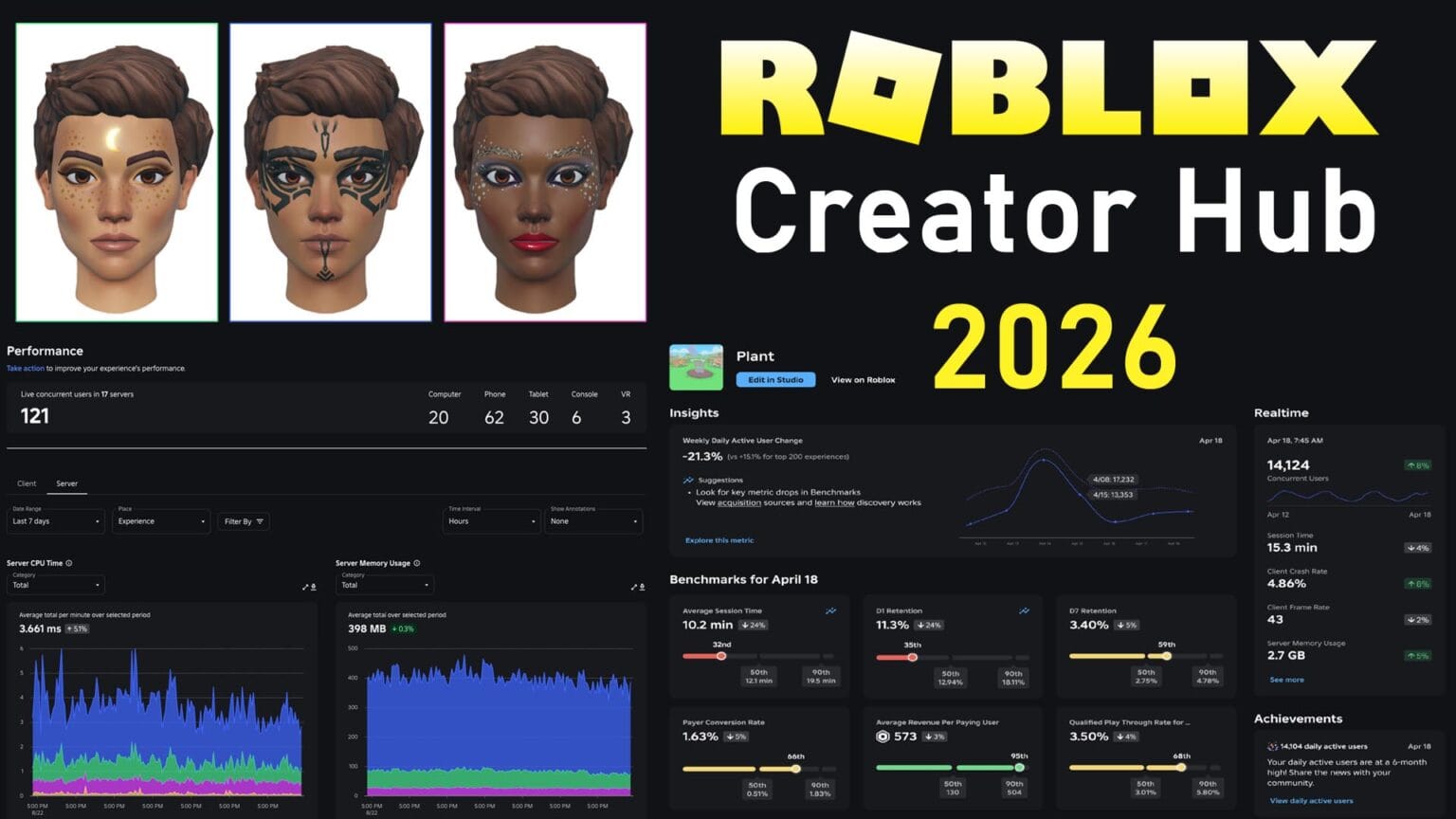
Beacon Studio NoFilter. I Found EVERY Roblox Beacon For FREE In Build Defense YouTube . Beacon Studio S Roblox Zombie Rush Game New RPG Nuke Launcher Game Pass . Beacon Studio Roblox NoFilter. Roblox Creator Hub 2026 Studio UI Roadmap Guide Roblox Creator Hub 2026 1536x864

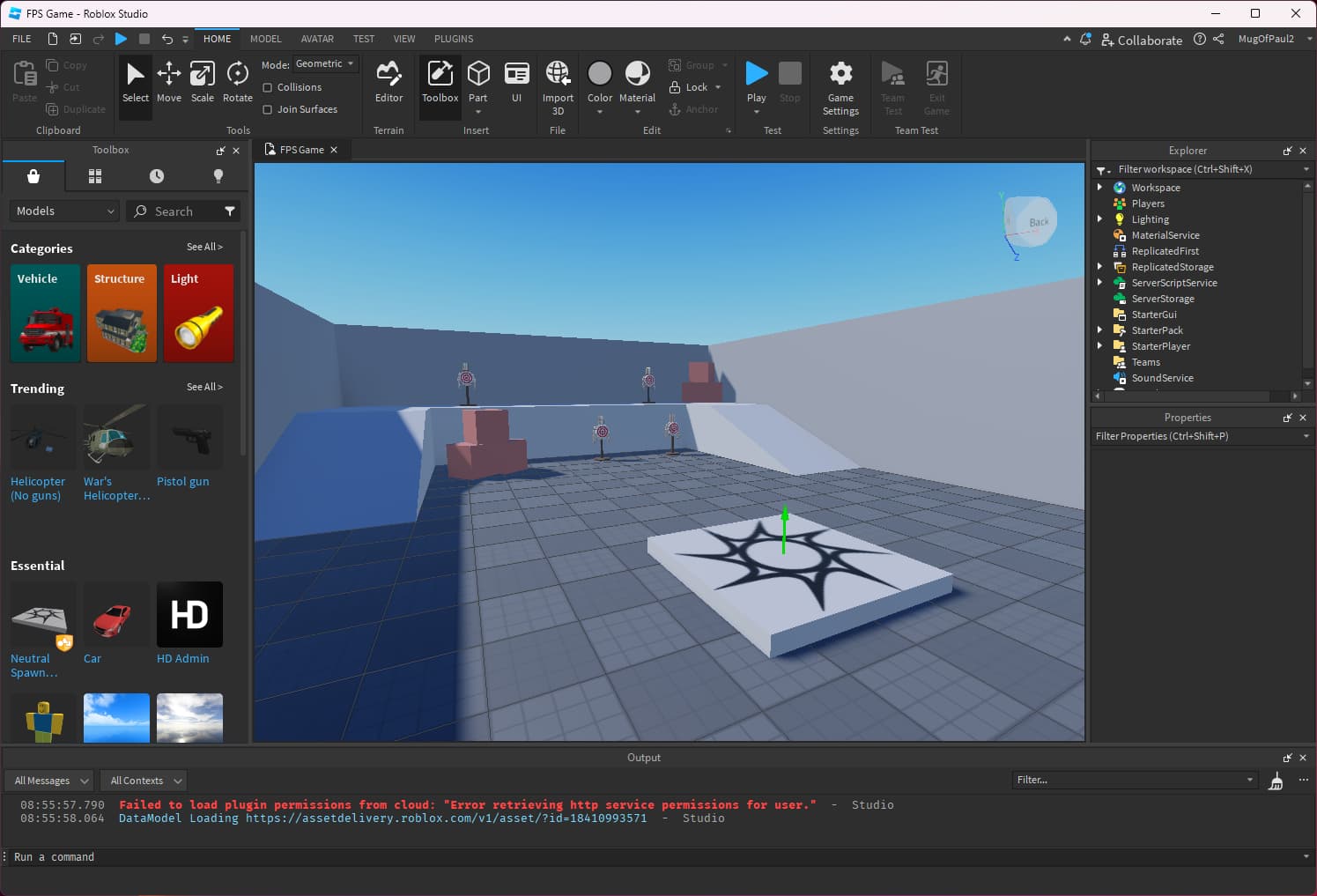


The Ultimate Guide To Scripting On Roblox 2026 Approved YouTube . Roblox Studio Step By Step Roblox Studio Download . Calendar Club Definite Guide To Roblox 2026 Annual 1200x1769 . How To Get EVERY Beacon In Build Defense Roblox YouTube . Roblox L G T I Li U Trung T M Nh S Ng T O Roblox Studio




ROBLOX STUDIO CONDO 2025 WORKING BOT SYSTEM MULTIPLAYER GUIDE YouTube . Roblox 2026 New Logo REVEAL First Look At The Future Shorts YouTube Oar2 . How To Add People Roblox Easily Your 2026 Guide . New Studio Start Page Page 14 Developer Forum Roblox 2 1024x691 . Roblox 2026 Logo YouTube Oardefault
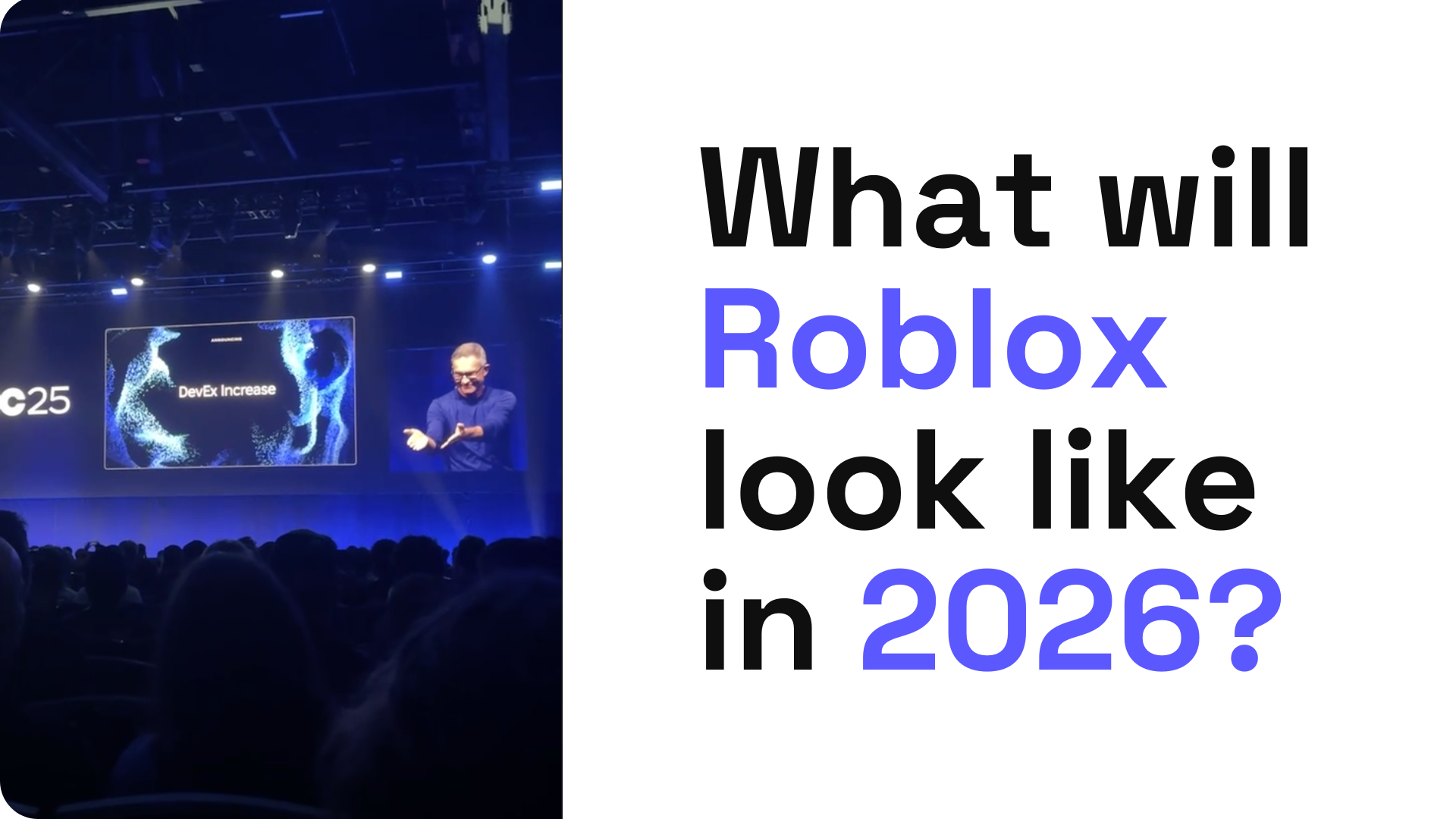
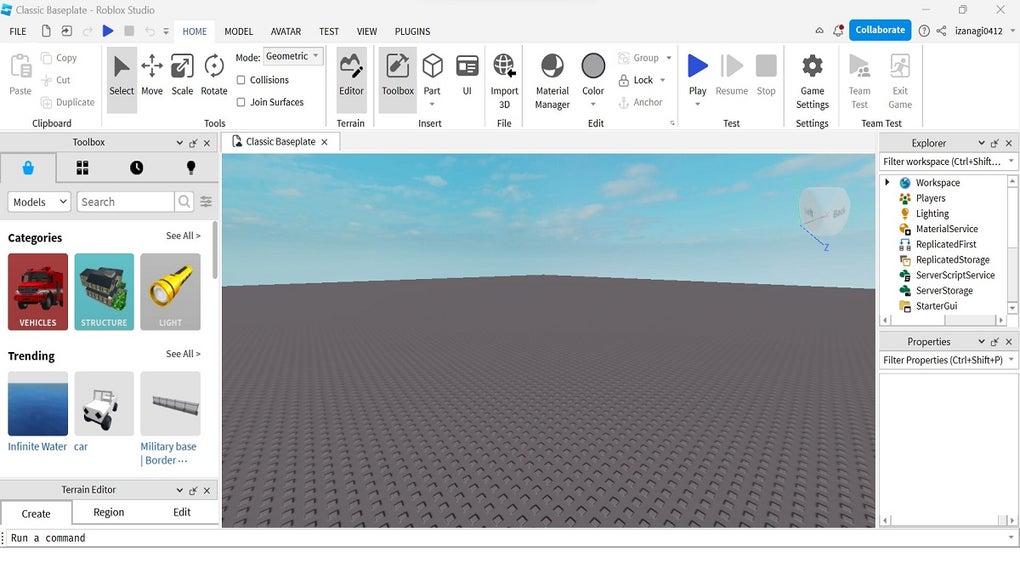


What Will Roblox Look Like In 2026 Blog Graphics 26 . Roblox Studio Descargar Roblox Studio How To Play Roblox Studio For Windows . Roblox 2026 Logo REVEALED New Color New Look YouTube Maxres2 . Panduan Pengguna Tentang Cara Mengunduh Aplikasi Roblox Studio Untuk 210 Cover . A Roblox Movie 2026 Teaser Trailer YouTube



Beacon Studio Roblox NoFilter. Beacon Studio Roblox NoFilter. Roblox 2026 YouTube Oar2 . How To Publish A Roblox Game 2026 Complete Roblox Studio Tutorial . Unveiling The Future Of Creation With Native 3D Generation



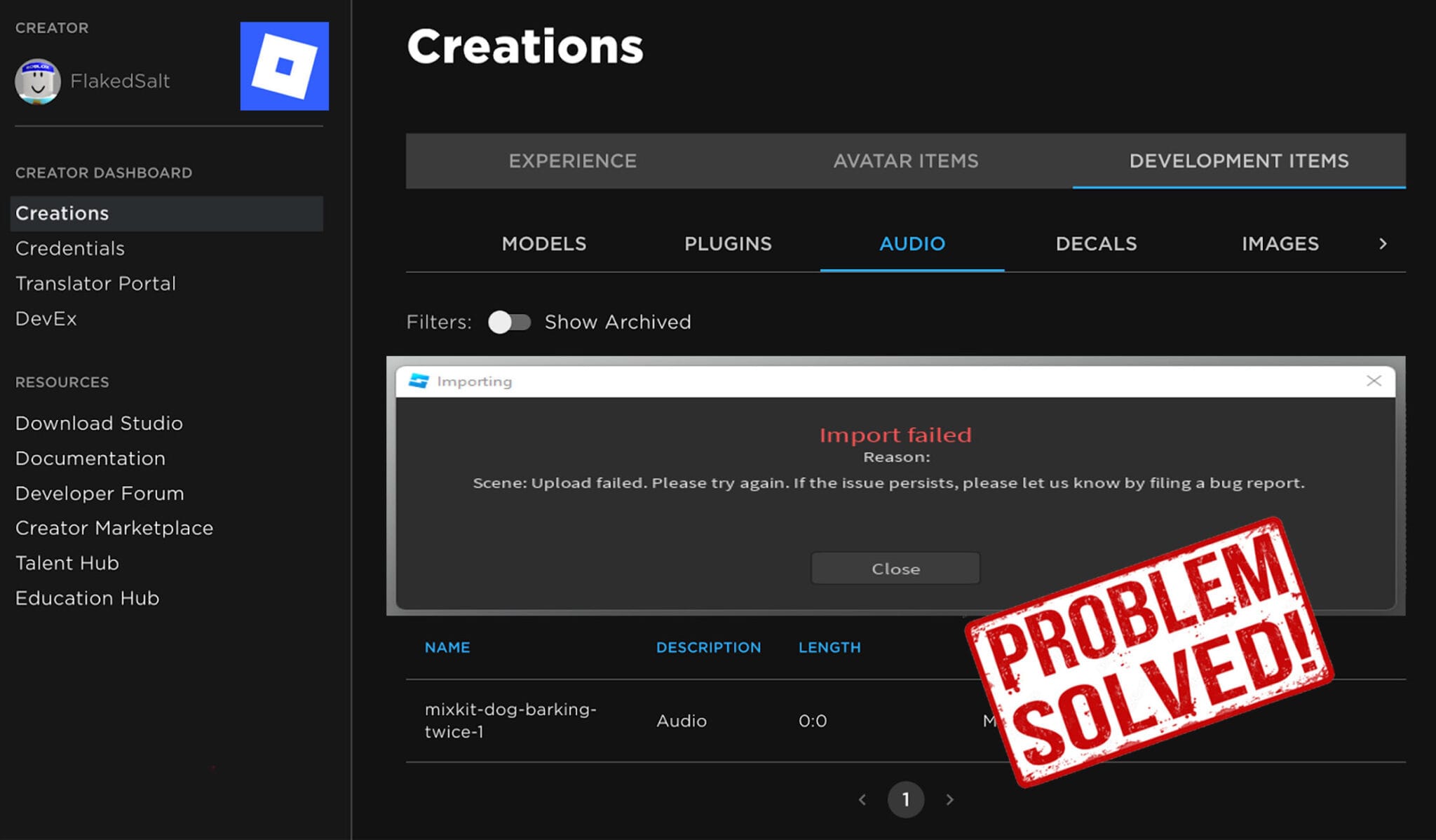

ROBLOX EM 2026 VAI MUDAR TUDO YouTube . Roblox In 2026 Roblox NoFilter. New Working Roblox Condo Game 2026 YouTube . Roblox Creator Hub 2026 Studio UI Roadmap Guide Roblox Asset Upload Failed Error In Studio Solution 1 2048x1198 . Beacon Studio Roblox Wiki Fandom 268

Roblox Lua Scripting 2026 Guide For Kids CodaKid Roblox Studio.webp. Beacon Studio Roblox NoFilter. Roblox Studio Roblox Creator Hub Session . ROBLOX Zombie Rush The Map Made By Beacon Studio YouTube Hqdefault . LOGO Roblox 2026 YouTube Maxres2