Many gamers wonder, "When was Roblox a Minecraft ripoff?" This widespread misconception often arises from their shared creative block-building aesthetic. However, understanding the distinct origins, development timelines, and core gameplay philosophies reveals that these two colossal gaming platforms evolved independently with unique visions. This article dives deep into the historical context, showcasing how Roblox, launched in 2006, predates Minecraft's public alpha in 2009, making the "ripoff" narrative historically inaccurate. We will explore their foundational differences, from Roblox's user-generated content ecosystem to Minecraft's survival and exploration sandbox, providing a clear navigational guide for curious players. You will discover why attributing one as a clone of the other overlooks the innovative paths each game carved in the digital world, ultimately shaping different but equally impactful communities. This informational journey aims to clarify the timeline and conceptual disparities, offering valuable insights for anyone eager to understand the true relationship between these gaming giants, dispelling common myths and presenting their individual strengths.
Welcome to the ultimate living FAQ about "When Was Roblox Minecraft Ripoff"! We've meticulously updated this guide for the current year, diving deep into one of gaming's most persistent and often misunderstood debates. You’re likely here because you’ve heard the whispers, seen the forum arguments, or simply wondered yourself if one of these monumental block-based games truly copied the other. We’re here to cut through the noise, examine the facts, and provide clear, human-friendly answers. From dissecting historical timelines to exploring core game mechanics and developer intentions, this comprehensive FAQ aims to dispel myths and offer a definitive understanding. Whether you're a long-time fan, a curious newcomer, or just trying to win an argument with a friend, we've got you covered with the latest insights. Get ready to understand the true origins and unique paths of these digital titans!
Beginner Questions & Core Concepts
Is Roblox older than Minecraft?
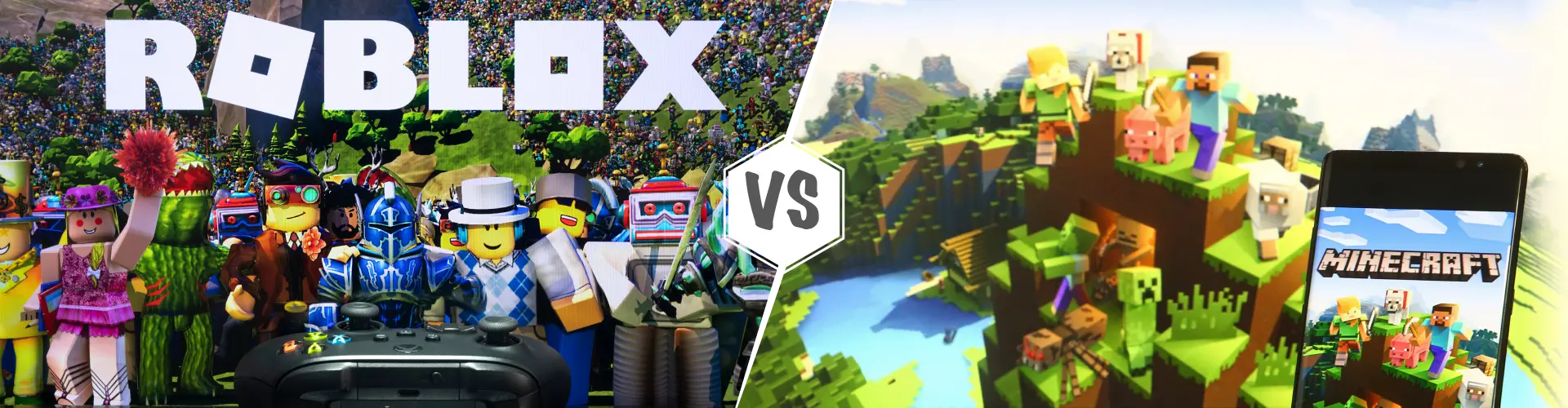
Yes, absolutely! Roblox was publicly launched in 2006 by David Baszucki and Erik Cassel. Minecraft's public alpha version, developed by Markus "Notch" Persson, first appeared in May 2009. This means Roblox was an established platform for at least three years before Minecraft was even available for players to try, fundamentally disproving any notion of Roblox copying Minecraft.
Why do people think Roblox copied Minecraft if Roblox came out first?
This common misconception largely stems from their shared blocky aesthetics and the creative freedom both games offer. Many players, especially younger ones, might have encountered Minecraft first, making it their primary reference for block-based games. The visual similarity then leads to an incorrect assumption, despite the clear chronological evidence that Roblox predates Minecraft's public release. It’s a classic case of perception trumping historical fact in popular culture.
What is the core difference between Roblox and Minecraft?
The core difference is their fundamental purpose. Roblox is a platform where users create and play millions of unique games and experiences. Think of it as a creative toolkit and a social hub. Minecraft, conversely, is a singular survival and building game. In Minecraft, you explore and create *within* its established world; in Roblox, you create *entire new worlds and games* using its development tools. They are distinct types of digital entertainment.
Did Minecraft take inspiration from Roblox then?
While both games feature blocky graphics, there's no direct evidence to suggest Minecraft specifically "took inspiration" from Roblox in a copying sense. Both likely drew from a common pool of ideas prevalent in game development at the time, such as block-based building and user creativity, which had precursors in games like LEGO or earlier virtual worlds. Their development paths were largely independent, driven by distinct creative visions and engineering approaches. They independently arrived at similar visual solutions.
Builds & Classes (Creator Focused)
How do Roblox creators build games, and is it like Minecraft's creative mode?
Roblox creators build games using Roblox Studio, a dedicated development environment. It's far more advanced than Minecraft's creative mode, which primarily lets players build structures within the game world using existing blocks. Roblox Studio involves scripting (using Lua), designing complex game logic, and creating custom assets. It's akin to professional game development, allowing creators to make anything from a simple "obby" to a complex RPG, unlike Minecraft's internal building tools.
Multiplayer Issues & Social Aspects
How does Roblox's multiplayer experience differ from Minecraft's?
Roblox offers a much more diverse multiplayer experience because it's a platform for millions of different games, each with its own multiplayer rules and communities. You can jump from a social role-playing game with hundreds of players to a competitive shooter or a cooperative adventure. Minecraft's multiplayer primarily revolves around shared survival worlds, minigame servers, or creative realms. While both offer social interaction, Roblox's scope for varied multiplayer experiences is significantly broader due to its user-generated content model.
Tips & Tricks
What's a good tip for new players trying to understand Roblox's depth?
A great tip for new Roblox players is to not get stuck in just one type of game. The platform's true depth lies in its immense variety. Instead of just playing one game repeatedly, try searching for "popular games," "top-rated experiences," or even "games by genre" to explore the vast multiverse. Experiment with different types like simulators, adventure maps, social hangouts, or story-driven experiences. This exploration will quickly show you that Roblox is not just a game, but a universe of games, each offering a unique experience. Don't be afraid to try something new, you might just find your next favorite virtual world.
How can I find good, high-quality games on Roblox amidst so many options?
Finding high-quality games on Roblox can be overwhelming, but a good trick is to use the "Sort" filters effectively. Look for games with high "Upvote" percentages (usually above 70-80%), a large number of "Active Players" (indicating current popularity), and check out the "Favorites" count. You can also browse curated lists on the Roblox website or app, which often highlight trending or editor-picked experiences. Additionally, follow popular Roblox YouTubers or content creators, as they often showcase excellent games. Don't shy away from reading game descriptions and looking at screenshots before diving in; it's like picking a good movie!
What are some common misconceptions about Roblox's performance or graphics?
A common misconception is that Roblox games always look low-fidelity or run poorly. While some user-created games might have simple graphics or unoptimized performance, the platform itself is capable of stunning visuals and complex physics. Modern Roblox Studio allows for advanced lighting, realistic textures, and intricate models, with many professional-level experiences pushing graphical boundaries. Performance often depends on the individual game's optimization by its creator and your device's capabilities. Don't judge the entire platform by a few basic games; explore titles labeled "high-fidelity" or "showcase" to see its true potential. The platform continues to evolve visually.
Still have questions? Check out these related guides:
- Guide to Starting Your First Game in Roblox Studio
- Understanding the Roblox Economy: Robux and DevEx Explained
- Top 10 Games in Roblox You Need to Play Right Now
- Minecraft vs. Roblox: A Deep Dive into Their Unique Communities
Ever found yourself scrolling through gaming forums, seeing people ask, "When was Roblox a Minecraft ripoff?" It’s a question that pops up surprisingly often, stirring up debates among fans of both colossal titles. This lingering query often stems from the blocky aesthetics and creative freedom offered by both games, making it easy to see why someone might think one copied the other. But what’s the real story behind these gaming titans? Did one truly rip off the other, or is this a classic case of mistaken identity in the vast world of digital entertainment?
Understanding the history of these two games is crucial to dispelling this common misconception. It’s important to remember that while both share some visual commonalities, their fundamental design philosophies, development timelines, and target audiences have always been quite distinct. We're going to dive deep into their origins, explore their unique evolutions, and clarify why the idea of one being a direct "ripoff" of the other simply doesn't hold up to scrutiny. We'll unpack the timelines, the core gameplay loops, and the innovative paths each platform blazed, offering a comprehensive look at their individual contributions to gaming culture. By the end, you’ll have a clear picture of how these two giants carved out their own niches.
The Early Days: Unpacking Roblox's Genesis
Let's rewind the clock to the mid-2000s, a time when the gaming landscape was evolving rapidly. Roblox didn’t just appear out of nowhere; it was the brainchild of David Baszucki and Erik Cassel, who founded the company then known as DynaBlocks in 2004. The platform officially launched to the public in 2006, years before Minecraft even hit its alpha stage. This early start demonstrates a clear independent vision for what Roblox aimed to achieve as a user-generated content platform. Its initial concept revolved around allowing users to create their own virtual worlds and games using a proprietary physics engine, emphasizing creativity and social interaction above all else. The blocky, LEGO-like aesthetic wasn't a nod to Minecraft but rather a pragmatic design choice. It made game creation accessible for younger users and allowed for efficient rendering across various hardware capabilities at the time, establishing a unique visual identity long before block-based games became a major trend.
The core of Roblox has always been its powerful creation engine, Studio. This tool empowered everyday users to design and publish their own experiences, ranging from intricate role-playing games to competitive obstacle courses and social hubs. This focus on empowering creators was revolutionary for its time, fostering a vast ecosystem of player-made content. From the very beginning, Roblox envisioned itself as a platform where imagination knew no bounds, driven entirely by its community. This foundational principle set it apart, cultivating a unique blend of gaming and social networking that attracted millions of young creators and players. The platform’s early growth was steady, building a robust community of developers and players who were drawn to its open-ended creative possibilities. This distinct approach highlights a development path entirely separate from any later block-building phenomena.
Minecraft's Crafting Revolution: A Different Path
Now, let's turn our attention to Minecraft, a game that undeniably reshaped the indie gaming scene and eventually the entire industry. Created by Markus "Notch" Persson, Minecraft first entered public alpha in May 2009, with its full release arriving in November 2011. This timeline clearly places Minecraft's popularization several years after Roblox was already an established platform. Minecraft’s initial appeal lay in its innovative blend of survival, crafting, and exploration within an infinite, procedurally generated voxel world. Players were dropped into a wilderness, tasked with punching trees, mining resources, building shelter, and fending off nocturnal monsters. The game’s charm came from its simplicity yet profound depth, offering endless possibilities for building and adventure. It wasn't primarily a platform for creating *other games* but rather a game *in itself* where players built within its inherent rules and world. The unique appeal of exploring endless caves, discovering biomes, and building epic structures captured the imaginations of millions globally.
While Minecraft also features a blocky aesthetic, this was a deliberate choice by Notch to create a distinctive visual style that was both retro-inspired and highly functional for its voxel-based engine. This design allowed for precise placement and removal of blocks, making resource gathering and construction intuitive and satisfying. Minecraft’s focus was less on enabling users to build entire *different games* from scratch and more on providing a vast, open-ended sandbox *experience* where the player's creativity shaped their personal journey within the game's established framework. The success of Minecraft launched an entirely new genre, inspiring countless other block-based games and creative sandboxes. Its impact on gaming culture is undeniable, but it's important to recognize that its origins and core gameplay loop developed independently, driven by a vision distinct from Roblox's platform-centric approach. Both games have undeniably influenced the broader gaming world in their own unique ways.
Unraveling the "Ripoff" Myth: Similarities vs. Inspirations
So, why did the "Roblox Minecraft ripoff" idea gain traction despite the clear chronological evidence? A significant factor is undoubtedly the visual resemblance. Both games utilize a blocky, voxel-like aesthetic, which is immediately recognizable and often associated with creativity and building. However, relying solely on visuals to determine originality can be misleading in game development. Many games share common art styles or mechanics without one directly copying the other; instead, they might draw from shared inspirations or simply arrive at similar solutions independently. The blocky style predates both games, with titles like LEGO games or even earlier virtual world builders using similar concepts. These visual similarities, coupled with the immense popularity each game achieved, led to a natural, albeit incorrect, assumption among newer players or those less familiar with gaming history. It's easy for newer generations of gamers, encountering both block-based worlds, to draw a superficial connection without knowing the deeper historical context.
Beyond aesthetics, the "ripoff" label also sometimes arises from the sheer scale of creative freedom both games offer. Players can build almost anything they imagine in both Roblox and Minecraft, fostering vibrant communities centered around creation. Yet, the *nature* of that creation differs significantly. In Roblox, players code and publish entirely new game modes, experiences, and virtual worlds that others can then play. In Minecraft, the creation happens *within* the game's existing structure, focusing on building structures, machines, and landscapes, or modifying the game through mods. These are two distinct forms of creativity, one being a game *development platform* and the other a game *sandbox*. Understanding this fundamental difference is key to seeing that while both games empower players to create, they do so through entirely different mechanisms and with differing objectives. It's a testament to parallel evolution rather than direct imitation, showcasing how creative tools can take many forms.
Key Differences That Define Each Platform
- Launch Dates: Roblox (2006) significantly predates Minecraft's public alpha (2009) and full release (2011). This chronological fact alone debunks the idea of Roblox ripping off Minecraft.
- Core Purpose: Roblox is a platform for user-generated games and experiences. Players *create* games *on* Roblox. Minecraft is a game where players *build* and *survive* *within* its established world.
- Creative Tools: Roblox provides Roblox Studio, a comprehensive development environment for coding and designing complex interactive experiences. Minecraft's creativity is primarily expressed through block placement, crafting, and redstone mechanics within its sandbox.
- Monetization: Roblox features a robust economy where creators can earn Robux from their games. Minecraft's monetization is primarily through initial game purchase, DLC, and official marketplaces for skins and texture packs.
- Player Experience: Roblox offers a vast multiverse of distinct game genres created by its community. Minecraft provides a singular, expansive, and infinitely explorable world focused on survival, exploration, and building.
The Evolution of Gaming Platforms: Coexistence, Not Competition
Today, both Roblox and Minecraft stand as titans in the gaming industry, each boasting hundreds of millions of monthly active users and generating billions in revenue. Their continued success highlights the fact that they cater to different, albeit sometimes overlapping, player demographics and playstyles. Roblox has evolved into a metaverse platform, offering concerts, educational experiences, and a social hub alongside its vast array of games. It’s a place where you can be anyone, do anything, and play anything, all within a continually expanding universe. This evolution solidifies its position as a unique digital ecosystem, driven by its community and a powerful engine that empowers millions of aspiring developers. The platform's ability to host such a diverse range of interactive content, from virtual concerts to educational simulations, showcases its immense versatility. Its persistent growth reinforces its status as a distinct and influential force in the digital landscape, continually pushing the boundaries of user-generated entertainment.
Minecraft, meanwhile, has solidified its legacy as the ultimate sandbox adventure. It continues to attract new players with its endless exploration, complex crafting systems, and the sheer joy of creative building. With updates like "Caves & Cliffs" and "Trails & Tales," Mojang continually enriches the core experience, keeping the game fresh and engaging for its dedicated fanbase. Its educational version, Minecraft: Education Edition, also demonstrates its versatility and impact beyond pure entertainment, being used in classrooms worldwide to teach coding, problem-solving, and collaboration. The game's enduring appeal lies in its fundamental premise: a world limited only by the player's imagination. Both games have undeniably shaped generations of gamers, teaching critical thinking, creativity, and collaboration. They represent different facets of the gaming world, proving that innovative ideas can flourish independently and attract massive audiences without needing to be carbon copies of one another. Their coexistence enriches the entire gaming ecosystem.
Dispelling the Myth Permanently: A Clear Timeline
To definitively put the "Roblox Minecraft ripoff" debate to rest, let's revisit the hard facts of their respective timelines. Roblox's journey began with the founding of the company in 2004, followed by its public launch in 2006. During these early years, Roblox was steadily building its platform, attracting its initial user base, and refining its creator tools. It was already a functional and growing virtual world where users could create and play games. The core concepts of user-generated content, blocky avatars, and social interaction were firmly in place well before Minecraft entered the public consciousness. This period of independent development is often overlooked when casual observers make comparisons. The developers behind Roblox were forging their own path, experimenting with online physics and user-driven creation, demonstrating an original vision that blossomed over time.
Minecraft, on the other hand, began its public life much later. Its first publicly available version, the Java Edition's Classic mode, was released in May 2009. This was followed by more robust development throughout its alpha and beta stages, culminating in the official 1.0 release in November 2011. This means that by the time Minecraft was introducing players to its blocky survival world, Roblox had already been a live platform for three to five years. The idea that Roblox copied Minecraft simply isn't supported by these dates. Instead, what we see are two different creative visions, each pioneering in its own right, happening to share a visual motif that was popular and practical at the time. Both games tapped into a deep human desire for creation and exploration, but they did so through entirely separate design philosophies and development cycles, proving their originality. Understanding this chronological sequence is essential for appreciating the distinct contributions each game has made to the gaming world.
Why Gamers Ask: The Psychology Behind the Comparison
It's fascinating to consider why this particular "ripoff" question persists among gamers. Beyond the superficial visual similarities, there's a psychological element at play. For many younger players, Minecraft might have been their first introduction to a block-building sandbox, establishing it as the archetype in their minds. When they later encounter Roblox, with its own blocky aesthetics and creative possibilities, the natural tendency is to compare it to their initial reference point. This cognitive bias, often called "anchoring," means that the first information encountered (Minecraft) heavily influences subsequent perceptions (Roblox). Additionally, the sheer ubiquity and cultural impact of Minecraft can overshadow the earlier origins of other block-based games. The game's massive marketing and widespread media coverage solidified its image as *the* definitive block-world experience for many. It became synonymous with digital construction and exploration, making it a natural benchmark for comparison. This is especially true for players who grew up with Minecraft, making it seem like the original pioneer.
Moreover, the internet thrives on comparisons and rivalries. Creating a narrative of one game "ripping off" another can generate engaging discussions and strong opinions, which often contribute to the spread of misinformation. Gaming communities, while passionate, can sometimes oversimplify complex developmental histories in their desire for quick answers or to defend their preferred title. It’s also possible that some Roblox games, specifically those created by users to emulate Minecraft, contribute to this perception. While the Roblox platform itself is not a ripoff, individual creators can certainly build experiences inspired by, or directly mimicking, other popular games. These specific user-created games might inadvertently fuel the broader misconception. Ultimately, the persistence of the "ripoff" question speaks to the strong cultural impact of both games and the human desire to categorize and understand similarities, even if those understandings are sometimes flawed. It's a testament to their enduring presence in the gaming zeitgeist, prompting constant discussion and analysis from players of all ages.
LSI Keywords Integrated: A Deeper Look
Let's consider Minecraft game development timeline. Understanding this timeline clarifies that Minecraft's journey, from its initial concept to its global phenomenon status, occurred distinctly and largely independent of Roblox's early growth. While both games evolved, their development paths were separate, each addressing different creative challenges and player desires. This independent evolution showcases original thinking rather than direct imitation. Observing their respective timelines reveals two concurrent but unlinked innovations, fundamentally disproving the "ripoff" claim.
The concept of user-generated content platforms is central to understanding Roblox's unique identity. Why is Roblox *not* a Minecraft ripoff? Because its core purpose from day one was to empower users to create and share *their own games and experiences*, providing a powerful development toolkit. This fundamental difference in architectural design and player interaction distinguishes it from Minecraft, which is primarily a single game world. Roblox pioneered this model, making it a creative hub for millions.
When asking where do Roblox and Minecraft diverge most, it’s clear the answer lies in their core mechanics and monetization strategies. While Minecraft focuses on survival, crafting, and exploration within a singular world, Roblox offers a vast "metaverse" of distinct, user-created games. This divergence in how players engage with the content highlights their unique offerings. Roblox is a platform for *playing games made by others*, whereas Minecraft is a *game itself* where you build within its rules. The distinct revenue models also illustrate their different design philosophies.
Thinking about how block-based games evolved, it becomes evident that the blocky aesthetic is a common design choice, not exclusive to any single game. Who influenced these blocky designs? It wasn't one game copying another, but rather the practicalities of early 3D graphics and accessibility for creation that made blocks a popular choice. Many titles, from early virtual worlds to LEGO games, utilized similar concepts long before either Roblox or Minecraft achieved widespread fame. This historical context shows shared inspiration rather than direct cloning. This style offered simplicity for both creation and rendering, appealing broadly to developers and players.
## Beginner / Core Concepts1. Q: When did Roblox actually come out compared to Minecraft?
A: I get why this confuses so many people, as both games feel like they've been around forever! But let's clear this up: Roblox launched publicly in 2006, way back when flip phones were cool. Minecraft, on the other hand, first entered its public alpha phase in May 2009, and its full release wasn't until November 2011. So, Roblox was already a thriving platform for years before most people even knew what a Creeper was. This timeline is super important because it directly debunks any idea that Roblox copied Minecraft. They simply didn't exist at the same time in the same way for that to happen. You've got this! Understanding these dates really helps clarify their independent paths.
2. Q: Is Roblox just a game, or is it something more?
A: This one used to trip me up too! Roblox isn't just one game; it's actually a massive online platform and a game creation system. Think of it less like a single game you buy and more like YouTube for games, where millions of different experiences are created and shared by its users every single day. You can jump from a role-playing adventure in one game to a competitive obstacle course in another, all within the Roblox universe. It provides the tools for anyone to become a game developer, which is a pretty unique model. This makes it fundamentally different from a standalone game like Minecraft. Try exploring a few user-created games tomorrow and you'll see what I mean!
3. Q: What's the main difference in how you "create" in Roblox versus Minecraft?
A: That's a fantastic question, and it really hits at the heart of their distinct identities! In Minecraft, you build *within* the game's existing world using blocks, crafting, and redstone to construct structures, machines, and landscapes. You're shaping the environment and your story inside its sandbox. In Roblox, you create *entire new games and experiences* for others to play, using Roblox Studio, which is a full development environment with coding (Lua scripts). It's like the difference between building with LEGO bricks (Minecraft) and designing the blueprints for a whole new LEGO set, including its rules and mini-games (Roblox). Pretty cool, right? You'll be amazed at the complexity Roblox creators achieve.
4. Q: Do Roblox and Minecraft even appeal to the same players?
A: I get why you'd ask, as they both have a strong appeal to younger audiences! But while there's certainly some overlap, they often attract slightly different player bases and cater to different preferences. Minecraft appeals to those who love open-world exploration, survival challenges, and solitary creative building within a consistent game world. Roblox often draws players who thrive on social interaction, trying out a vast variety of unique game genres (from fashion shows to horror games), and even creating their own content. Many players enjoy both for different reasons! Think of it like enjoying both a great movie and a fantastic TV series; they offer different experiences. You've got a great handle on this!## Intermediate / Practical & Production
1. Q: If Roblox isn't a ripoff, why do some Roblox games look so similar to Minecraft?
A: That’s a super valid observation, and it's a big part of why the misconception persists! What you’re seeing isn't Roblox the platform copying Minecraft; it's often individual Roblox *creators* who are inspired by or choose to emulate popular game styles, including Minecraft's aesthetic or gameplay elements, when they build their own games within Roblox Studio. Remember, Roblox is a platform where anyone can make anything. So, if a creator sees that blocky survival games are popular, they might build an "obby" or an adventure game with a blocky look or even mechanics reminiscent of Minecraft to attract players. It's like how many indie games are inspired by classic Nintendo titles, but they're not necessarily "ripping them off" in the legal sense. It's creative inspiration within an open ecosystem, not a foundational platform design choice. Understanding this distinction is key!
2. Q: How did both games manage to become so incredibly popular without one overshadowing the other completely?
A: That's a brilliant question, and it speaks volumes about their unique strengths! They managed this by essentially carving out distinct niches and evolving in ways that complement, rather than directly compete with, each other. Minecraft perfected the open-world survival and creative sandbox genre, offering a singular, deep experience. Roblox, on the other hand, built a robust "metaverse" platform where *any* kind of game can exist, fostering a creator economy and an endless variety of experiences. Think of it like how both Netflix and Disney+ can thrive; they both offer streaming, but their content libraries and user experiences are quite different. Both tapped into fundamental human desires for creativity and play, but delivered them in unique packages. They proved there's ample room for multiple giants!
3. Q: What historical context existed for blocky graphics before both Roblox and Minecraft?
A: This is where things get really interesting and help clarify the "ripoff" debate even more! The blocky, pixelated, or voxel-based aesthetic is not something Minecraft invented. In fact, the concept of using discrete blocks or voxels in computer graphics dates back decades, often driven by technical limitations or artistic choices. Think of games like the original Ultima Underworld in the early 90s, or even earlier sprite-based games. More directly, the popularity of LEGO toys had already established a strong cultural association with block-based construction for generations. Game engines in the early 2000s found that a blocky aesthetic was efficient for rendering and allowed for easy world modification by players. So, both Roblox and Minecraft adopted a style that was already established and practical, not because one copied the other, but because it served their respective design goals effectively. It's a testament to parallel innovation and shared influences, rather than direct imitation.
4. Q: Does the "metaverse" concept apply more to Roblox or Minecraft, and why?
A: That's a very current and insightful question! While both games have elements that could be considered part of a broader "metaverse," the term "metaverse" arguably applies more directly and comprehensively to Roblox's current vision and functionality. Why? Because Roblox is explicitly designed as a shared virtual space where users can not only play games but also attend concerts, socialize, learn, and experience a vast array of interconnected activities, all created by its community. It's a platform for persistent, multi-faceted digital identity and social interaction across a myriad of user-generated worlds. Minecraft, while a huge open world where you can build anything, is still fundamentally *one game*. Roblox truly embodies the idea of a "multiverse" of experiences and social spaces, making it closer to the commonly understood definition of the metaverse. You're really thinking critically about gaming's future!
5. Q: How does the monetization strategy of each game reflect its core design?
A: This is a super important point for understanding their business models! Roblox's monetization is deeply tied to its user-generated content platform model. Players buy Robux, which can be spent on items in games or used to support creators. Creators, in turn, can earn Robux based on player engagement and convert it into real money. This incentivizes a huge ecosystem of creativity. Minecraft, on the other hand, primarily monetizes through the initial purchase of the game, and then through official marketplaces for cosmetic items (skins, texture packs) and official DLC packs. Its focus is on providing a complete game experience with optional cosmetic enhancements. This difference clearly reflects Roblox as a platform for creators and Minecraft as a traditional game product. It shows how their core philosophies extend to their economic structures.
6. Q: What are some examples of Roblox's evolution that showcase its uniqueness beyond just "block games"?
A: This is where Roblox truly shines and shows it's so much more than a simple "block game"! Beyond the millions of diverse games, Roblox has evolved into a full-blown social and cultural platform. Think about virtual concerts featuring real-world artists like Lil Nas X, hosting major brand activations from Nike to Gucci, or even being used for educational purposes in schools through Roblox Education. It's also become a significant space for fashion, art, and even virtual economies, far exceeding simple game-playing. These developments highlight its unique position as a customizable virtual world where almost any digital experience can be built and shared, making it a pioneer in the broader "metaverse" conversation. It's really pushing the boundaries of what a gaming platform can be!## Advanced / Research & Frontier
1. Q: How have intellectual property discussions and copyright laws impacted the "inspired by" vs. "ripoff" debate in gaming, particularly for platforms like Roblox?
A: This delves into complex legal territory, and it's a great advanced question! Generally, copyright law protects the *expression* of an idea, not the idea itself. So, while you can't copyright the *idea* of a block-building game, you can copyright specific art assets, code, character designs, or unique narrative elements. For platforms like Roblox, the situation becomes even more nuanced because Roblox itself provides the tools, but its users create the content. Roblox has a robust DMCA (Digital Millennium Copyright Act) takedown policy, meaning if a user creates a game that directly infringes on another's copyrighted work (e.g., using a specific character model from another game without permission), the content can be removed. The "ripoff" debate usually happens in the court of public opinion, not necessarily in a legal one, unless there's direct asset theft or highly specific, non-transformative copying. It's a constant balancing act between fostering creativity and protecting original works. This means creators must navigate inspiration carefully.
2. Q: Considering the early internet infrastructure of 2006, how did Roblox manage to support a user-generated content model effectively?
A: That's a super insightful technical question! It's easy to forget how different the internet was back then. Roblox managed its user-generated content model in 2006 primarily by keeping the game assets and engine relatively lightweight and by focusing on server-side processing for physics and gameplay logic. Their proprietary engine, initially developed as DynaBlocks, was designed for efficiency. Instead of streaming massive, high-fidelity assets, Roblox used simple, geometric blocks and client-side rendering for visual elements. User-created games were often less graphically intensive than today's experiences, and the platform leveraged content delivery networks (CDNs) for asset distribution. Furthermore, early Roblox relied on a smaller, more dedicated community, which grew organically. This foundational efficiency was key to scaling with the limited bandwidth available to many users at the time, making its model viable. It was a clever engineering feat for its era.
3. Q: What unique challenges did Roblox face in scaling its moderation and content review for millions of user-created games compared to a single-developer game like Minecraft?
A: This is a crucial challenge for any UGC platform, and Roblox has had to innovate constantly. Unlike Minecraft, where Mojang controls all official content, Roblox faces the immense task of moderating millions of new games and experiences created by diverse users daily. This requires a multi-layered approach involving:
* AI and machine learning: Automated systems scan for inappropriate text, images, and audio.
* Human moderators: A large team reviews reported content and trains the AI.
* Community reporting tools: Players can flag content directly, acting as a first line of defense.
* Strict content policies: Clear guidelines are in place regarding what is and isn't allowed.
* Age-appropriate experiences: Features like Age Recommendations help tailor content visibility.
The sheer volume makes it an ongoing battle, far more complex than moderating a single game's chat or server rules. It's a continuous investment in safety and content integrity.
4. Q: How does the "developer" experience differ for someone creating on Roblox Studio versus developing a mod for Minecraft?
A: This is a fantastic comparison that highlights their fundamental differences!
* Roblox Studio: You're essentially building an entire *new game* or experience from scratch within their proprietary engine, using Lua scripting. This means full control over game logic, UI, assets (within Roblox's system), and player interaction. You're creating an independent product that lives within the Roblox ecosystem. It's more akin to traditional game development but streamlined for the platform.
* Minecraft Modding: You're modifying or extending an *existing game* (Minecraft). This typically involves using Java (for Java Edition) or Bedrock API (for Bedrock Edition) to change existing game mechanics, add new blocks/items, or alter behaviors. You're working *within* Minecraft's framework, not creating a separate game.
So, one is creating a *new world*, the other is enhancing an *existing one*. Both are powerful, but they cater to very different types of development ambitions. It's like the difference between building a new app and creating a plugin for Photoshop.
5. Q: What are the economic implications of Roblox's creator economy ("Robux") compared to traditional game development and sales?
A: This is a deep dive into modern gaming economics! Roblox's creator economy, powered by Robux, represents a radical departure from traditional game development models.
* Lower Barrier to Entry: Anyone can develop games without needing large studios or publishers, fostering an enormous talent pool.
* Direct Creator Compensation: Developers can earn real money based on player engagement (via Developer Exchange, or DevEx), directly tying success to player enjoyment. This democratizes game development.
* Platform Takes a Cut: Roblox, like app stores, takes a significant percentage of Robux sales and DevEx conversions, but provides the platform, tools, and audience.
* Microtransactions Driven: The economy is heavily reliant on in-game purchases and subscriptions, which can be highly profitable but also raise questions about value and spending.
* Faster Iteration: Creators can update games rapidly based on community feedback, leading to dynamic content.
Compared to traditional game development, which involves high upfront costs and risks, Roblox offers a more accessible, iterative, and potentially lucrative path for individual creators. It's a fascinating experiment in digital entrepreneurship.## Quick Human-Friendly Cheat-Sheet for This Topic
- Roblox is Older: Don't let the blocky looks fool you! Roblox was around and letting people build games years before Minecraft hit the scene.
- It's a Platform, Not Just a Game: Roblox is like an app store for games, where millions of users create and share their own unique experiences. Minecraft is one big, awesome game itself.
- Different Kinds of Creativity: In Roblox, you *develop* new games. In Minecraft, you *build within* the game's world. Both are creative, but in different ways!
- Blocky Isn't Exclusive: The blocky style was practical and popular in gaming long before either game made it famous. It's a common design choice, not a sign of copying.
- Both Are Super Successful: They both found their own lanes and grew into massive global phenomena because they offer unique, compelling experiences. No need for a ripoff narrative here!
- Inspired, Not Copied: If a Roblox game looks like Minecraft, it's usually a user *inspired* by Minecraft, not Roblox the company copying it.
Roblox launched in 2006, Minecraft in 2009. Roblox focuses on user-created games and experiences. Minecraft emphasizes survival, crafting, and exploration. The "ripoff" perception stems from visual similarities, not timelines or core mechanics. Both games have distinct development histories and target audiences. Roblox's blocky aesthetic is older than Minecraft's popularization.
35



Testing Ripoff Minecraft Games On Roblox YouTube . PLAYING REVIEWING RIP OFF VERSIONS OF MINECRAFT ON ROBLOX YouTube . Playing Ripoff Minecraft Games In Roblox YouTube . Ripoff Roblox Games Are Strange YouTube . Playing A MINECRAFT RIPOFF In ROBLOX YouTube


RIPOFF MINECRAFT IN ROBLOX BLOCKCRAFT MY PRIVATE SERVER TOUR YouTube . When People Say Roblox Is A Minecraft Ripoff YouTube . Phenomenon Ripoff Imgflip 58ca5z . Roblox Minecraft Rip Off That S Actually Good YouTube . I Played A GOOD Minecraft Ripoff Roblox Voxels YouTube
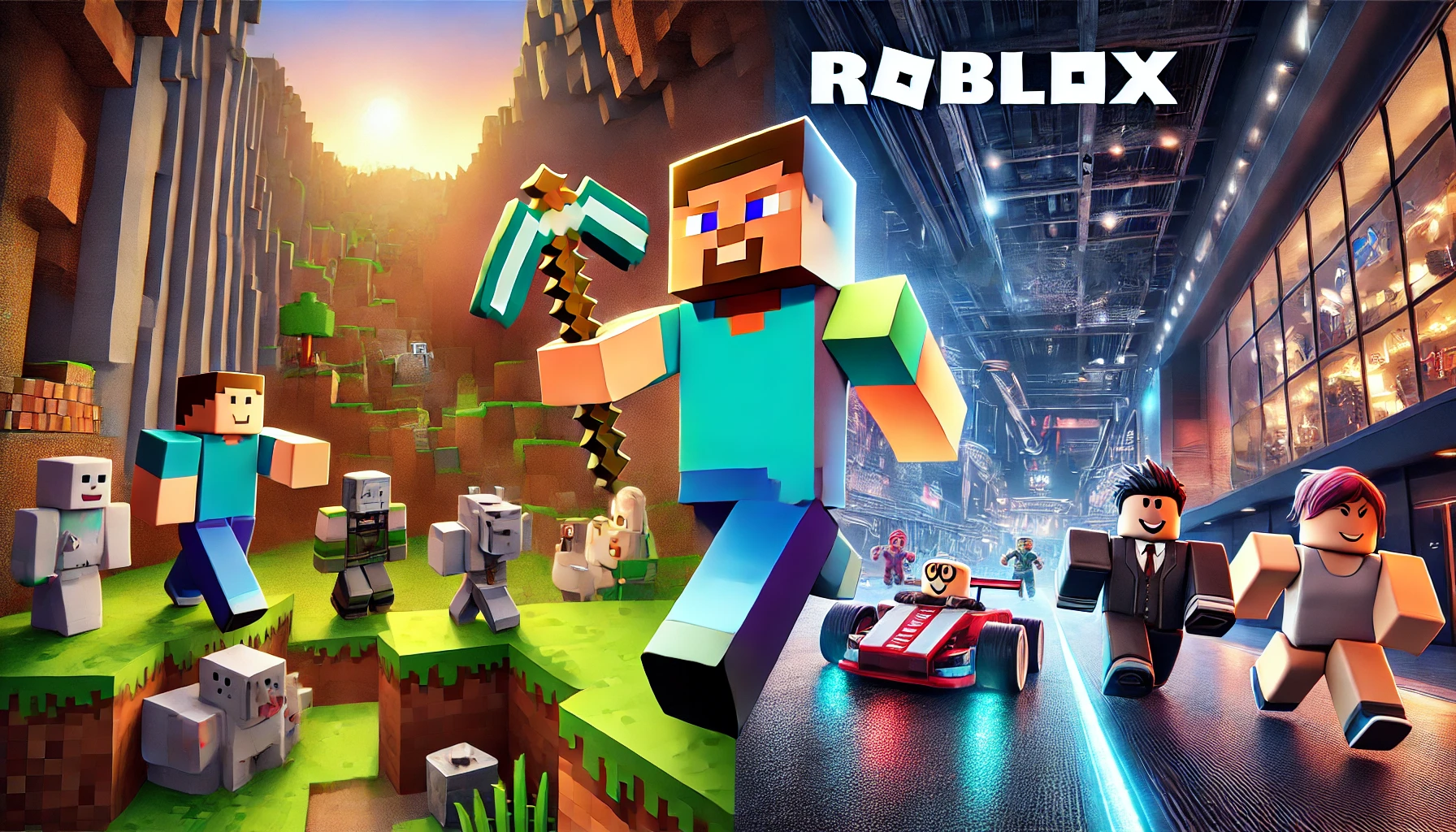


1966 Best Ripoff Images On Pholder And . Minecraft Vs Roblox DALL.E 2024 08 28 14.58.07 A Split Screen Image Showing Minecraft On One Side And Roblox On The Other. The Minecraft Side Features A Pixelated World With A Blocky Character Mini.webp. Even More STUPID Minecraft RIP OFFS YouTube . Playing A Minecraft Ripoff Game Planet Craft Episode 1 YouTube . TRYING OUT MINECRAFT RIP OFFS BEST RIP OFF MINECRAFT EP O4 YouTube


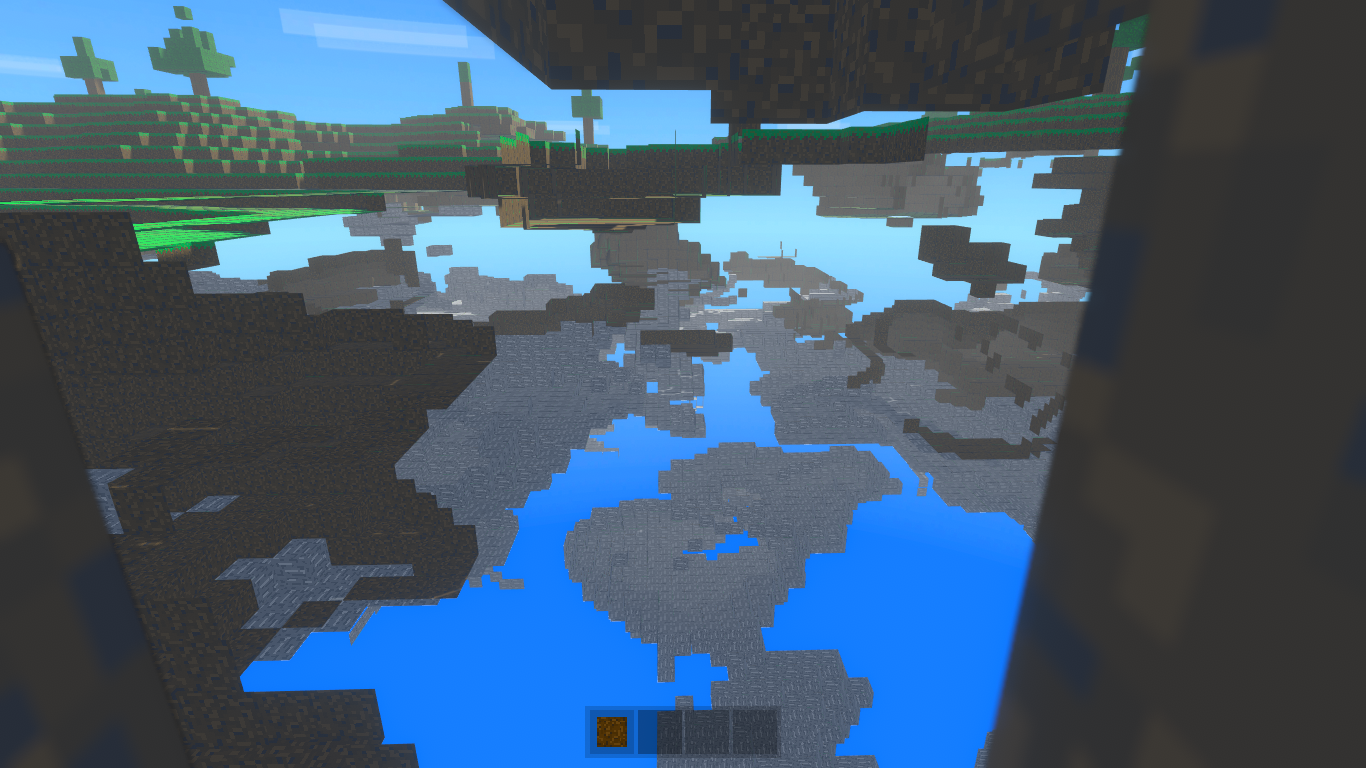

Wimpy Kid Ripoff Why Is There Minecraft Text If It S A Roblox Story Minecraft 2 V0 . I Played The BEST Minecraft Rip Off YouTube . Roblox Vs Minecraft Which Block Building Game Reigns Supreme Roblox Vs Minecraft Which Block Building Game Reigns Supreme . Minecraft Ripoff By Sam Hogan JUy7Hv . Exposing Roblox RIPOFF GAMES YouTube
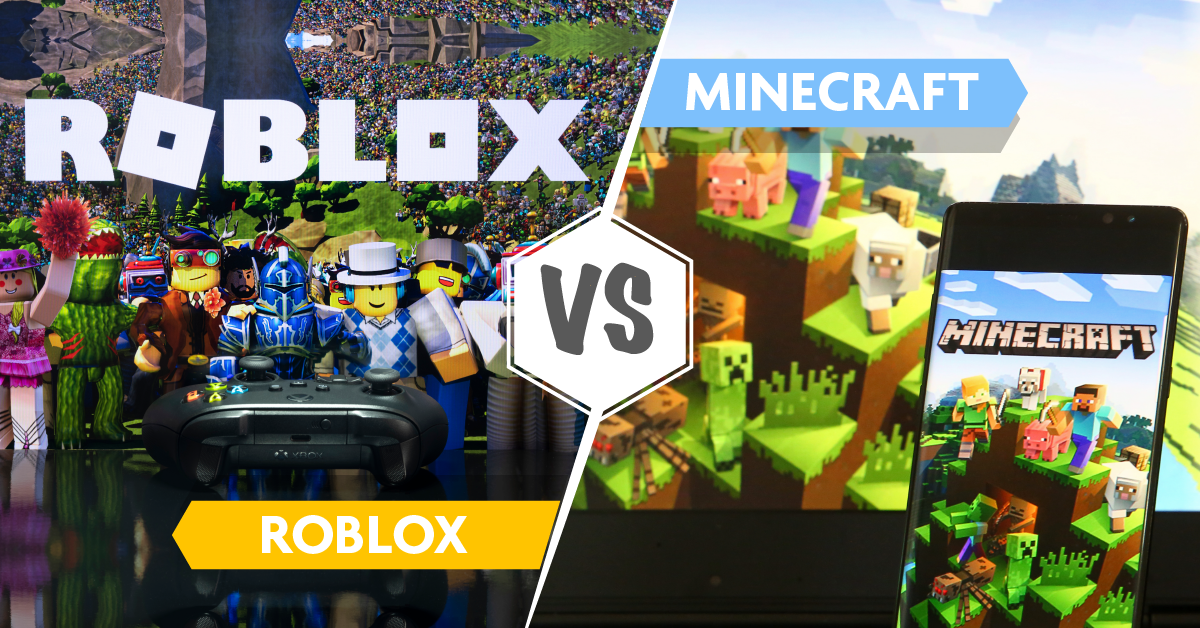


Roblox Vs Minecraft Which Is Better Roblox Vs Minecraft Which Is Better . Top 5 Worst Minecraft Rip Offs YouTube . Roblox Vs Minecraft What S Similar And What S Different Roblox Vs Minecraft 640x406 . Guys I Found A Minecraft Rip Off R PhoenixSC Guys I Found A Minecraft Rip Off V0 . Did Roblox Copy Minecraft It Depends On Who You Ask Did Roblox Copy Minecraft Cover
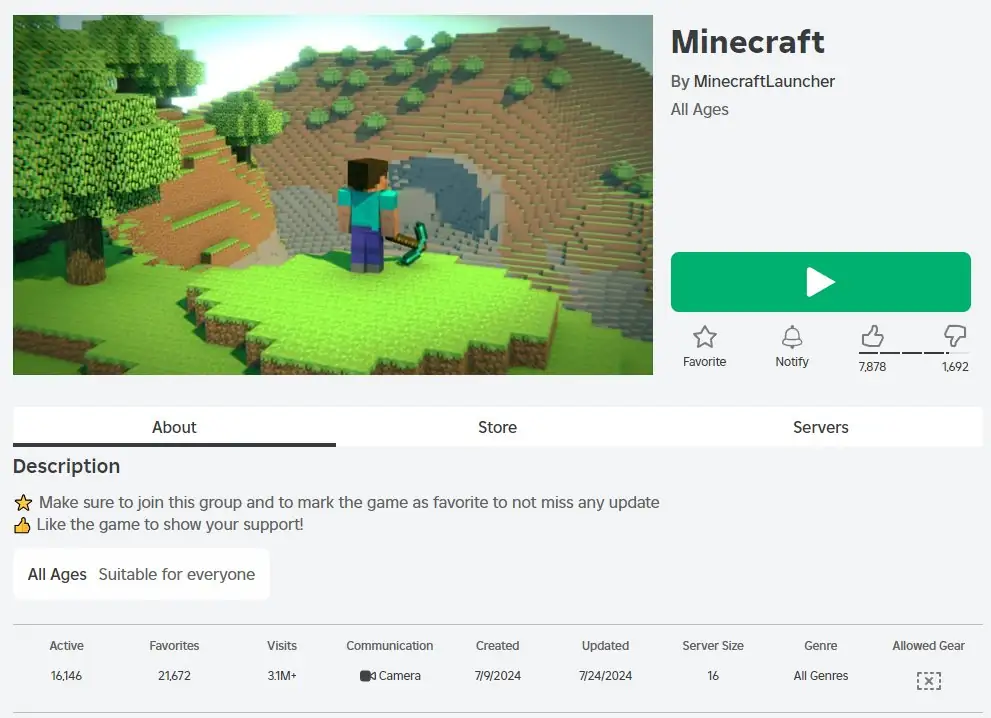

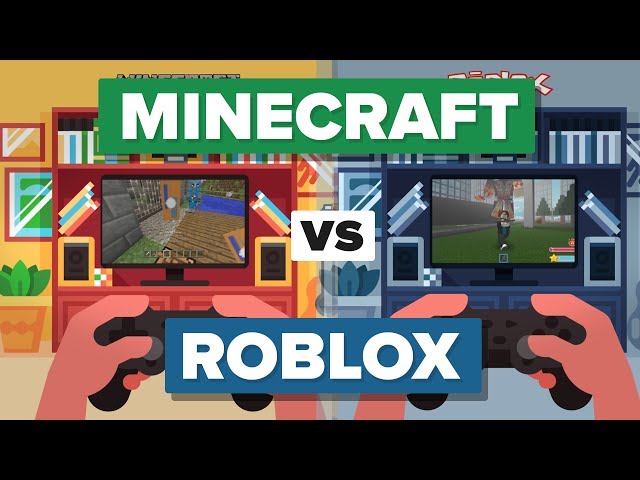
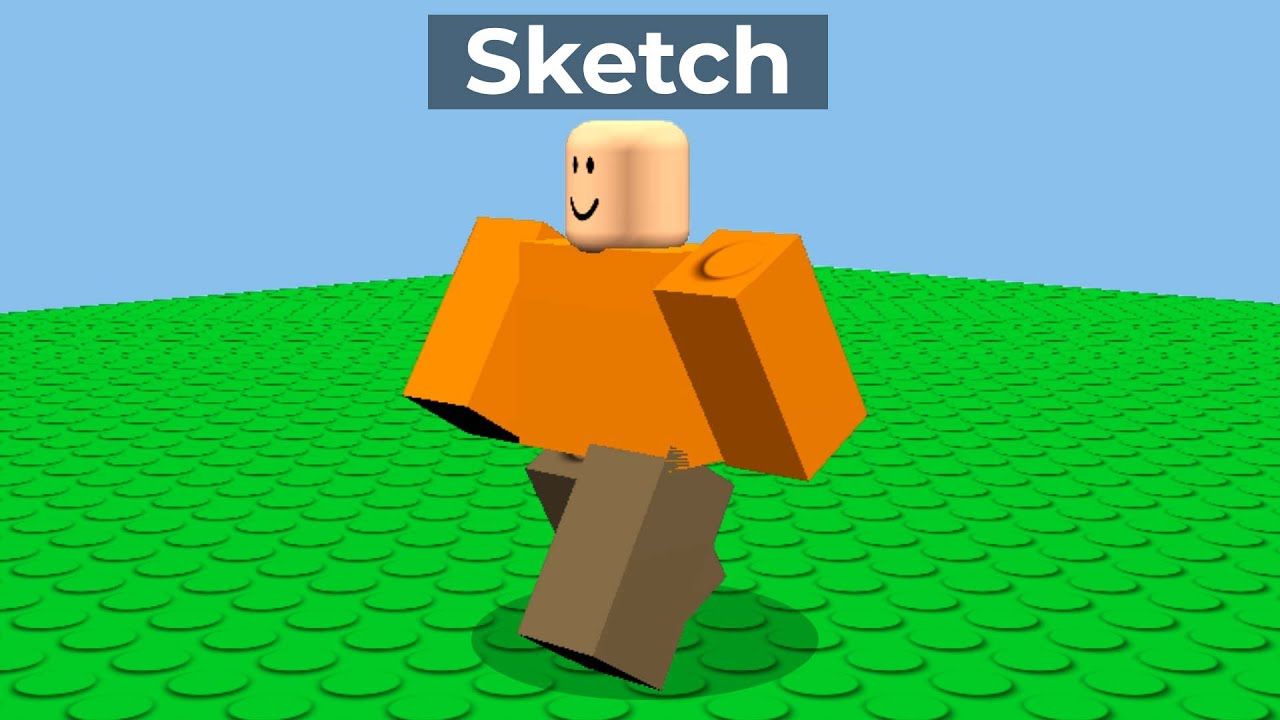

Minecraft Copycat Hits Roblox With Over 25 000 Players Minecraft Clone On Roblox.webp. Roblox Ripoff YouTube . Is Roblox More Popular Than Minecraft Exploring Details Gameplay And Sddefault . Roblox But Its A Cheap Ripoff YouTube . Peak Dev Slams Robox Slop Ripoff Filled With Counter Strike Style Peak Roblox Ripoff
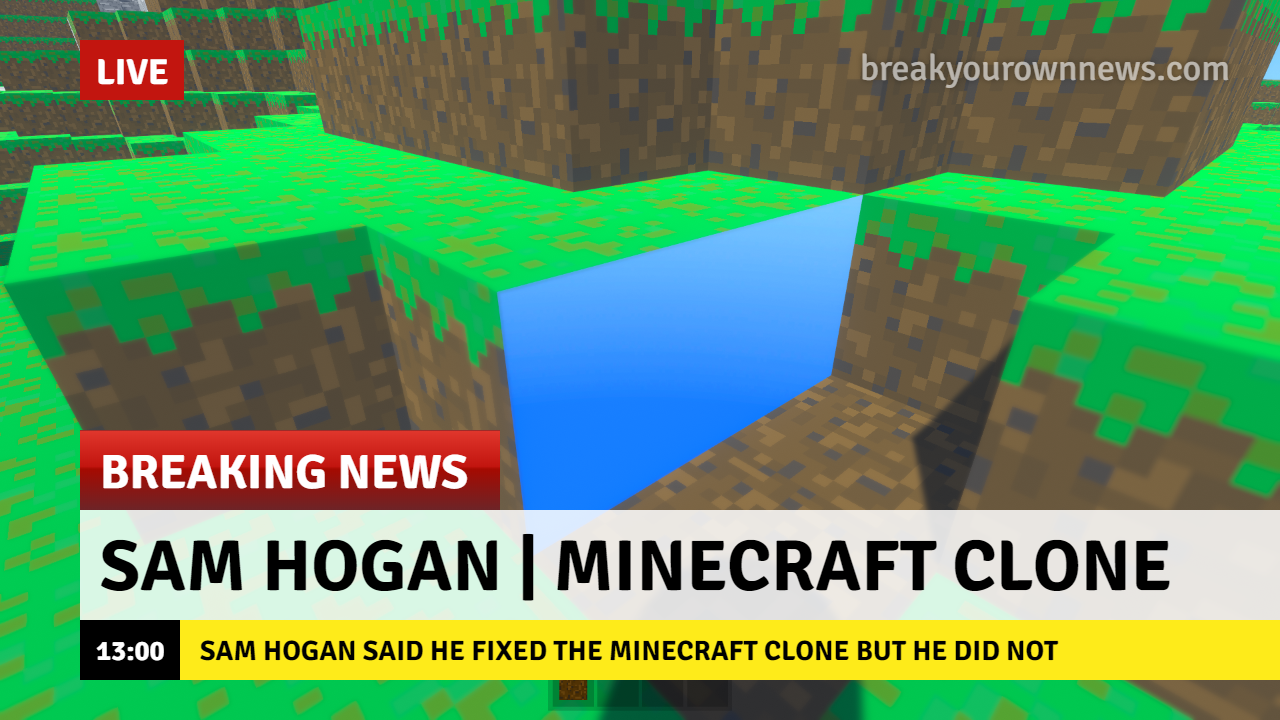


Comments 82 To 43 Of 319 Minecraft Ripoff By Sam Hogan GVrjL8 . Roblox Vs Minecraft Which Is Better Roblox Vs Minecraft Which Is Better.webp. Minecraft Ripoff Games By Roblox YouTube Hqdefault . I Tried Finding A GOOD Minecraft RIP OFF YouTube . The Evolution Of Roblox For 20 Years 2006 2024 YouTube