Have you heard about padel the rapidly growing racket sport sweeping across the globe What exactly is padel game a question many are asking in 2026 This guide offers a comprehensive look at the rules equipment and unique gameplay of padel a dynamic blend of tennis and squash Its easy to learn yet challenging to master making it incredibly popular for all ages Discover why padel courts are popping up everywhere and how this social and engaging activity provides an excellent full body workout Dive into key strategies and understand the nuances that differentiate padel from other racket sports Prepare to elevate your game and join the padel revolution with essential insights and tips for beginners and seasoned players alike Explore its accessibility and the vibrant community it fosters worldwide making it a must try sport for 2026
what is padel game FAQ 2026 - 50+ Most Asked Questions Answered (Tips, Trick, Guide, How to, Common Challenges, Strategy Development, Advanced Play)
Welcome to the ultimate living FAQ for Padel in 2026, your go-to resource for everything about this explosive sport! Whether you're a complete newcomer just asking 'what is padel game' or a seasoned player looking for cutting-edge strategies, we've got you covered. This guide has been meticulously updated with the latest insights, trending questions, and expert tips to ensure you stay ahead of the game. From fundamental rules to advanced tactics, and even common challenges, consider this your comprehensive companion to dominating the padel court. Dive in and unravel the secrets to success in the fastest-growing racket sport on the planet!
Beginner Questions
What is the basic objective of padel?
The main objective in padel is to hit the ball over the net into your opponent's court, ensuring it bounces once before they return it, with the unique option to use the surrounding glass walls strategically.
How many players are on a padel court?
Padel is almost exclusively played in doubles, meaning there are always four players on the court: two teams of two.
Can you play padel if you've never played tennis or squash?
Absolutely! Padel's underhand serve and the ability to use walls make it incredibly accessible and easy for complete beginners to pick up and enjoy quickly, even without prior racket sport experience.
What is the scoring system in padel?
Padel uses the same scoring system as tennis: 15, 30, 40, deuce, advantage, and game, with sets typically played to six games.
Is padel a physically demanding sport?
Padel can be as physically demanding as you make it. While casual play is accessible, competitive padel requires agility, quick reflexes, and endurance, providing an excellent full-body workout.
Equipment & Gear
What type of racket do I need for padel?
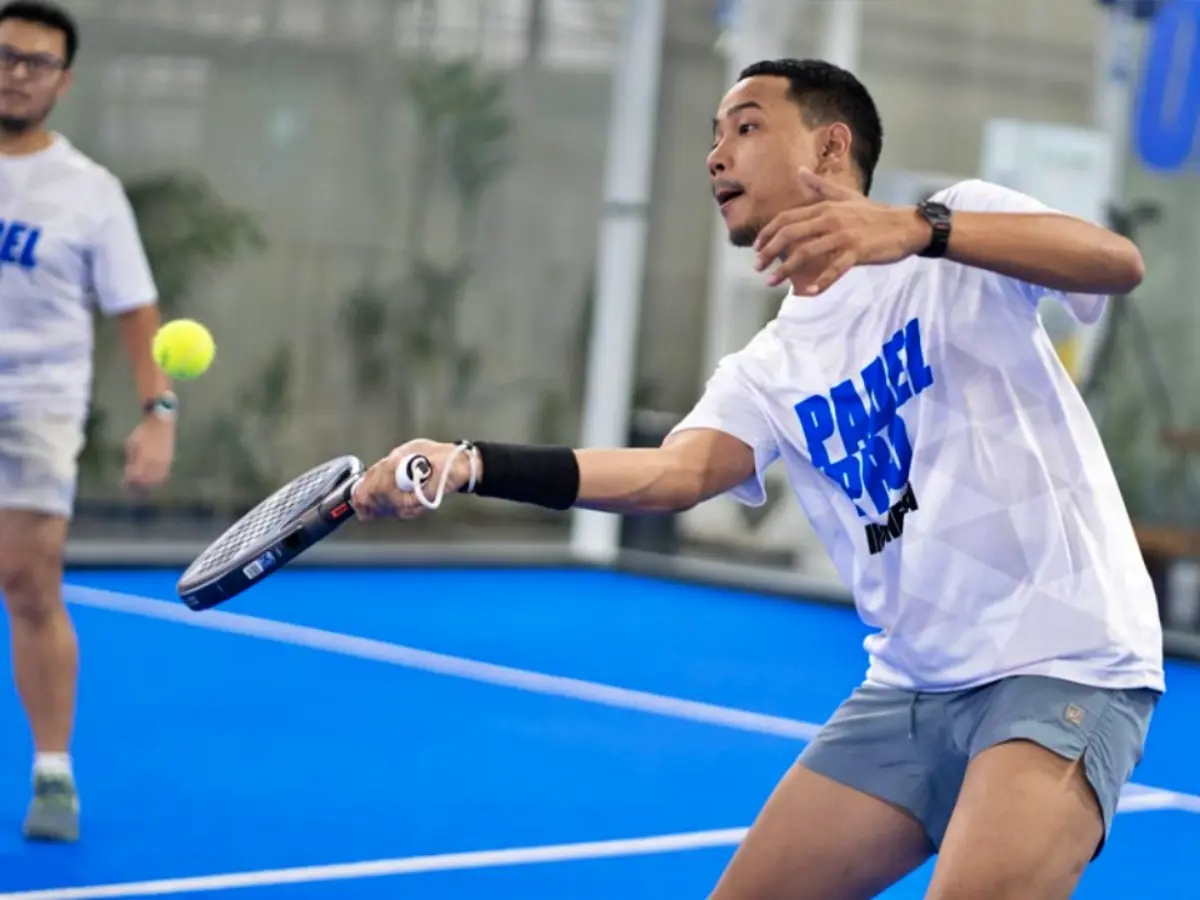
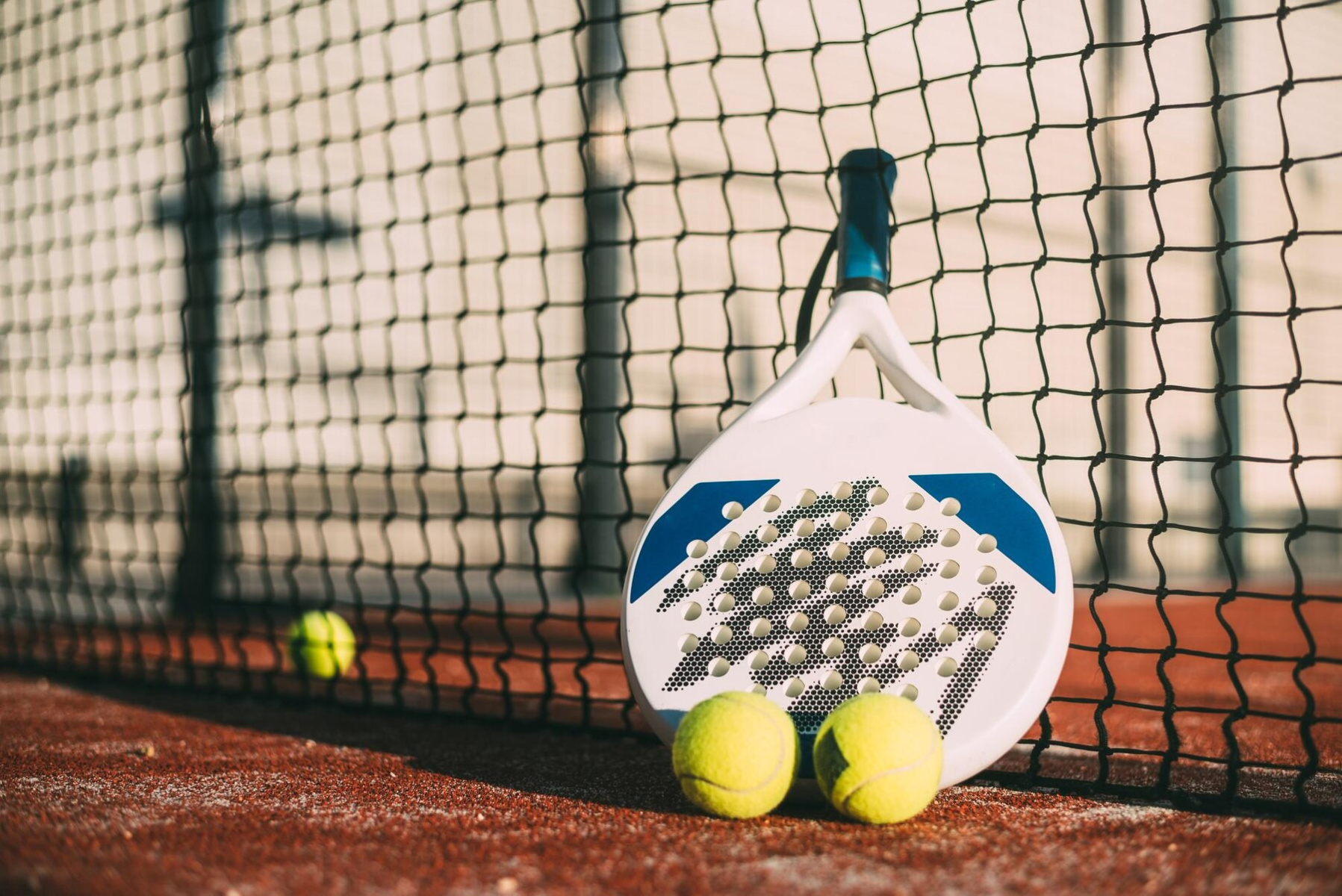
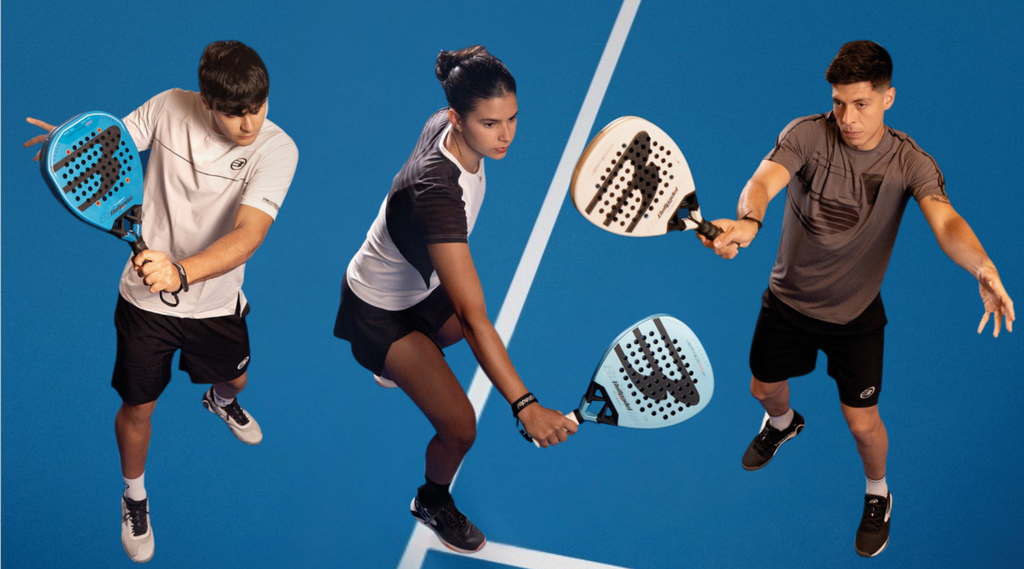
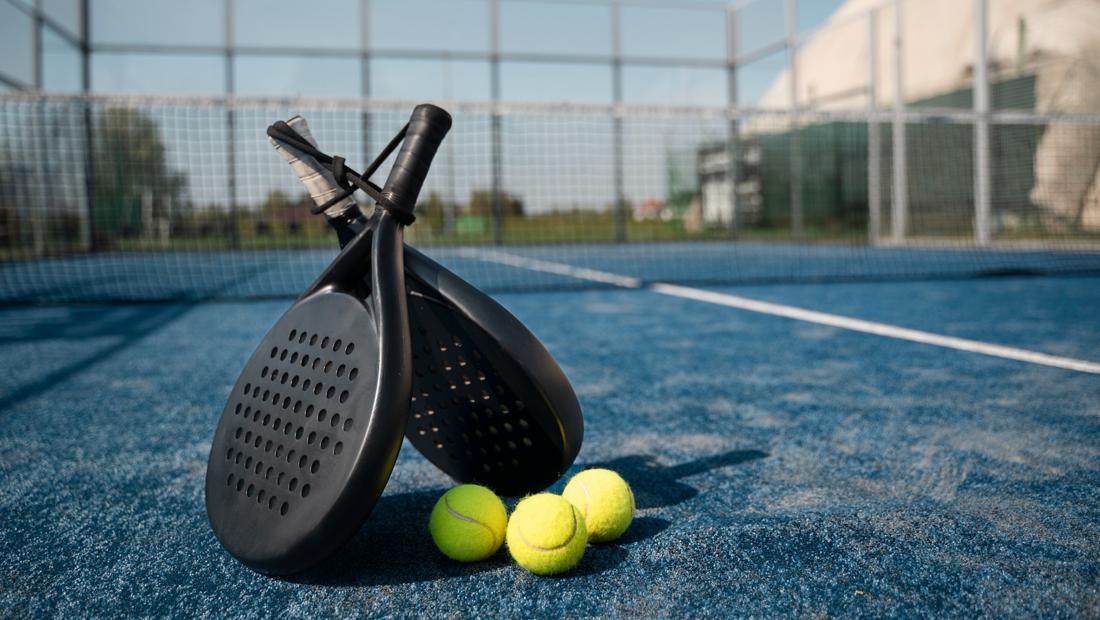
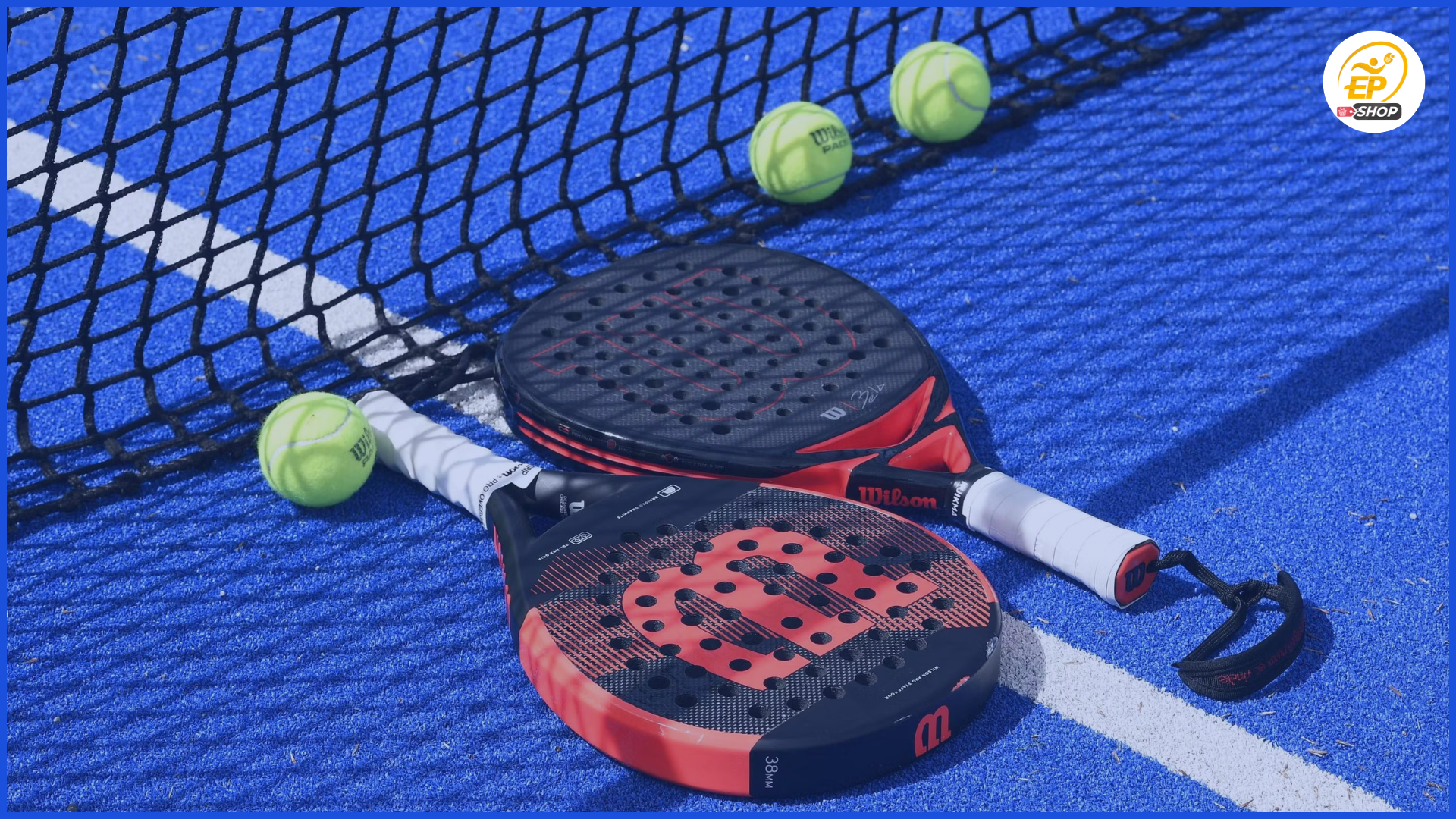
Padel rackets are solid, stringless paddles with holes, typically made from carbon fiber or fiberglass. They are shorter than tennis rackets and designed for control and maneuverability.
Are padel balls different from tennis balls?
Yes, padel balls are similar in appearance to tennis balls but have slightly less internal pressure, resulting in a slower speed and lower bounce, which aids in longer rallies.
What kind of shoes are best for padel?
Court shoes with good grip and lateral support are recommended for padel to prevent slipping and support quick changes in direction on the often-slippery synthetic grass court surface.
Rules & Gameplay
Can the ball bounce off the wall before going over the net?
No, the ball must always bounce on your side of the court before you hit it back to your opponent. However, you can use your own wall to ricochet the ball over the net.
Can you hit the ball off the opponents' wall?
Yes, after the ball has bounced once on the opponent's side, it can then hit any number of walls (glass or mesh) and still be in play, as long as it doesn't bounce twice on the ground.
Myth vs Reality: Padel is just mini-tennis.
Reality: While sharing some similarities, padel's enclosed court, underhand serve, and use of walls create a distinct, strategy-focused game that's far from simply a smaller version of tennis.
Strategy Development
What is the 'bandeja' shot in padel?
The 'bandeja' is a defensive overhead shot hit with slice, designed to keep the ball low after it bounces in the opponent's court, preventing them from attacking at the net.
How important is net play in padel strategy?
Net play is crucial in padel. Holding the net position allows players to dominate points with volleys and smashes, putting opponents under constant pressure and forcing errors.
Common Challenges & Fixes
How to fix issues with hitting the ball too hard?
Focus on control over power. Practice softer shots and volleys, aiming for placement rather than brute force. The smaller court rewards precision more than raw strength, so adjust your swing.
Myth vs Reality: You need to be very strong to play padel well.
Reality: Strength is less critical than technique, agility, and strategy in padel. Clever shot placement and teamwork often triumph over sheer power, making it inclusive for diverse body types.
What causes frequent unforced errors in padel?
Unforced errors often stem from poor footwork, incorrect shot selection, or trying to hit winners too early. Focus on consistent placement, proper positioning, and patience in rallies to minimize mistakes.
Advanced Play
What is a 'vibora' shot?
The 'vibora' is an offensive overhead shot with topspin and sidespin, designed to hit the wall at an aggressive angle and then die down, making it extremely difficult to return.
How can advanced players use angles more effectively?
Advanced players exploit angles by hitting the ball off the side and back walls strategically, creating complex trajectories that force opponents into awkward positions and open up the court.
Myth vs Reality: Padel is an individual sport like singles tennis.
Reality: Padel is fundamentally a doubles sport, emphasizing constant communication, teamwork, and coordinated strategy between partners, which is integral to its unique appeal and dynamics.
Tournament Play
What is the typical format for padel tournaments?
Padel tournaments usually follow a knockout format, with teams progressing through rounds. Matches are typically best of three sets, with tie-breaks deciding close sets.
How do professional padel players train?
Professional padel players engage in rigorous training regimes including on-court drills, physical conditioning, mental coaching, and strategic analysis to enhance their game and endurance.
Community & Culture
Is padel a growing sport globally?
Yes, padel is experiencing unprecedented global growth in 2026, with new courts and clubs emerging rapidly across continents, driven by its social nature and accessibility.
Myth vs Reality: Padel is only popular in Spain.
Reality: While originating in Mexico and hugely popular in Spain, padel's growth is now truly global, with rapidly expanding communities and professional tours across Europe, South America, the Middle East, and North America.
Health & Fitness
What are the health benefits of playing padel?
Padel offers excellent cardiovascular benefits, improves agility, coordination, and reflexes, and strengthens core muscles, all while being a low-impact sport suitable for various age groups.
Future of Padel 2026
What new technologies are influencing padel in 2026?
In 2026, new racket materials like advanced carbon fiber blends, smart court technologies for performance tracking, and enhanced ball designs are pushing the boundaries of padel equipment and play.
Myth vs Reality: Padel is just a passing trend.
Reality: With its massive global investment, professional circuits, and widespread community engagement, padel is firmly established as a major sport with sustained growth and a promising future beyond 2026.
Still have questions? Check out our other popular guides like 'Beginner Padel Drills for Rapid Improvement' or 'Mastering the Padel Serve: A 2026 Guide'!
Ever wondered what is padel game and why everyone is suddenly talking about it You are definitely not alone This exciting racket sport is currently experiencing a massive surge in popularity worldwide captivating millions with its unique blend of action and strategy Padel courts are becoming global fixtures from exclusive clubs to public parks marking it as one of the fastest growing sports of 2026
Padel offers a dynamic experience distinct from its tennis and squash cousins Imagine a sport where camaraderie is key and every rally feels like an exhilarating dance It is played in doubles on a compact court enclosed by glass walls which are very much in play This setup leads to incredibly engaging and often spectacular points making it a joy to watch and participate in for players of all skill levels
Understanding the Core of Padel
Padel at its heart is a sport designed for both accessibility and intense competition Its rules are straightforward allowing newcomers to quickly pick up the basics and enjoy a game within minutes Yet mastering its strategic depth and shot variety can take years providing endless challenges for dedicated enthusiasts The enclosed court encourages teamwork and quick reflexes
The Unique Court and Equipment
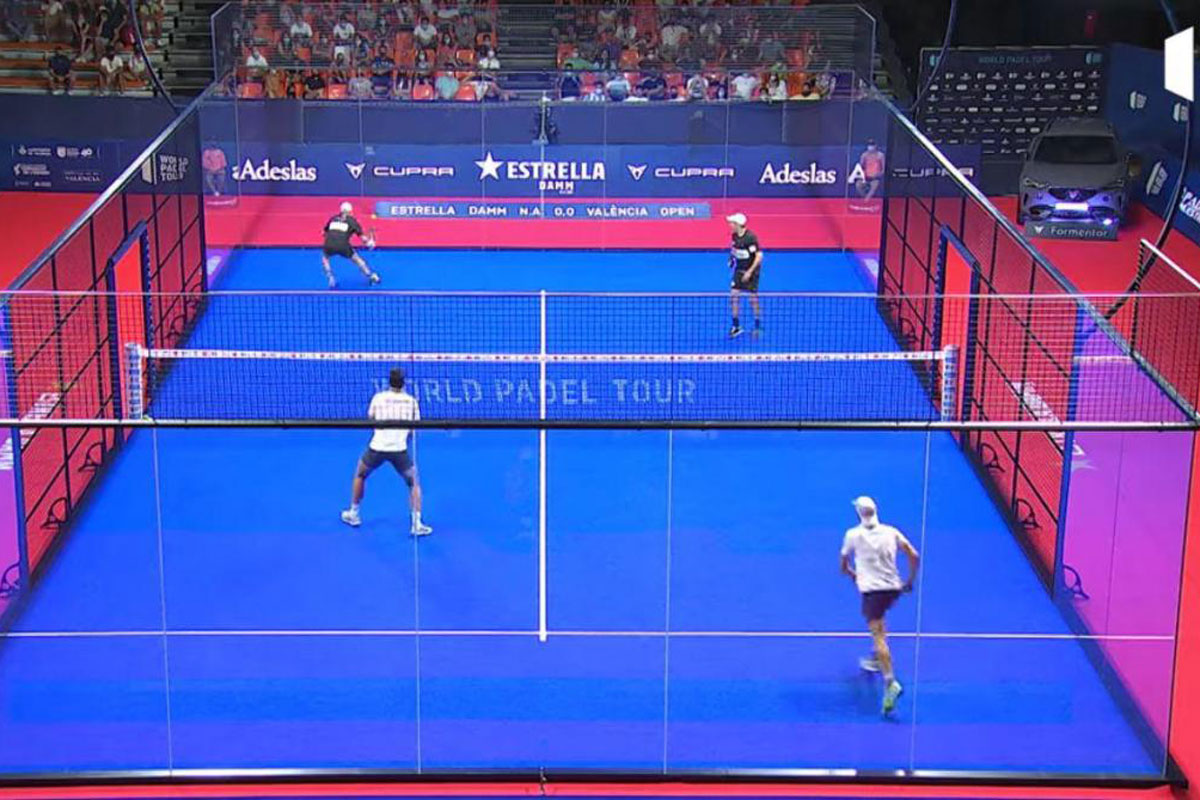
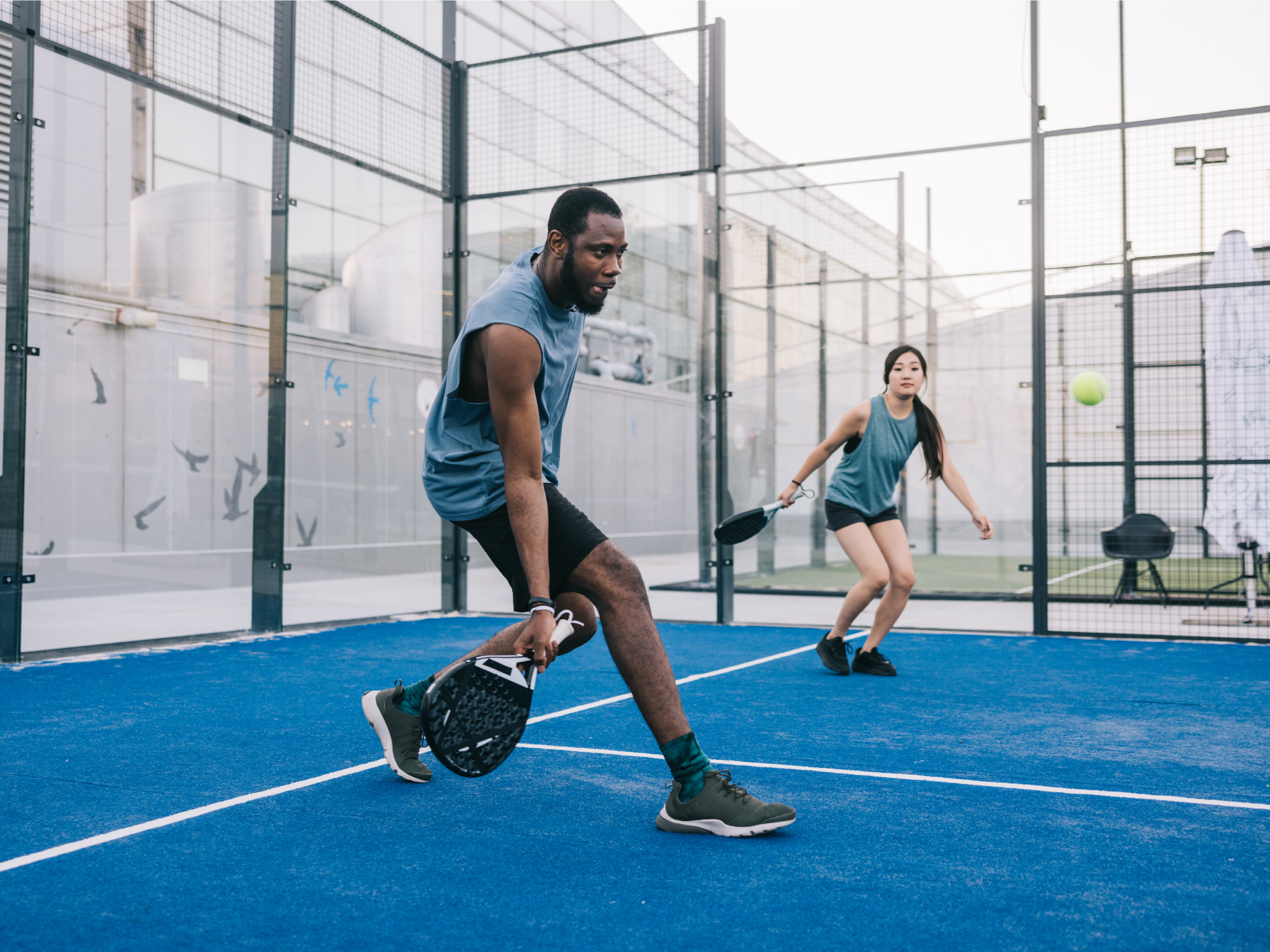
Unlike traditional tennis courts a padel court is smaller measuring 10 meters wide by 20 meters long It is surrounded by glass walls at the back and part of the sides with metal mesh on the rest The ball can bounce off these walls adding an extra dimension to gameplay The net is slightly lower than in tennis standing at 088 meters in the center The equipment is also unique
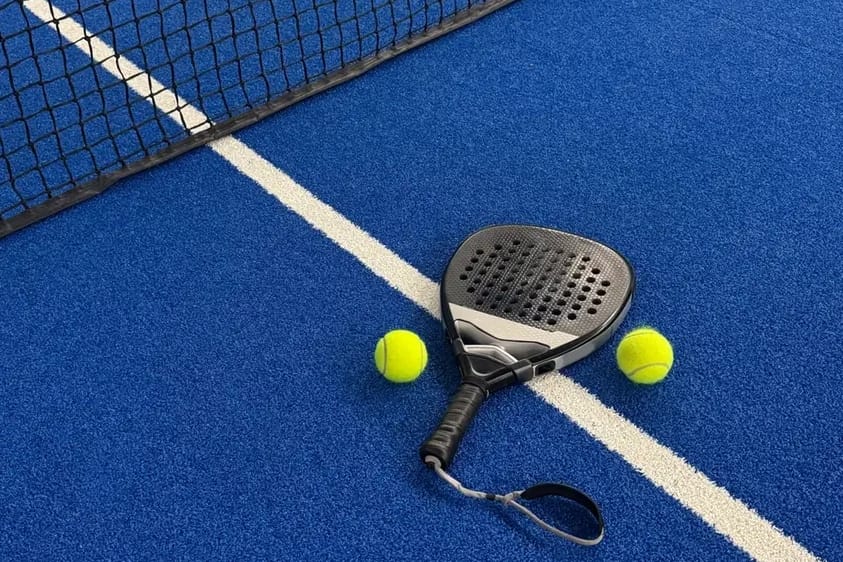
- Padel rackets are solid without strings and have holes in the head They are shorter and thicker than tennis rackets offering excellent control
- The ball is similar to a tennis ball but with slightly less pressure resulting in a slower bouncier game
- Players often wear standard athletic attire and comfortable court shoes providing good grip
The synergy between the court and specialized gear defines the padel experience making every match unpredictable and fun In 2026 innovations in racket technology continue to enhance player performance and comfort attracting even more participants globally
How Padel is Played The Basics
Padel follows a scoring system identical to tennis (15 30 40 Game Set Match) It is always played in doubles emphasizing communication and coordinated effort Serves are underhand and must bounce once before being hit into the opponents service box This rule alone significantly reduces the barrier to entry making it less intimidating for beginners
Key Gameplay Elements
- The ball can bounce off any wall after touching the ground once meaning rallies can extend significantly
- Players can hit the ball off their own wall before it goes over the net adding a tactical element
- Volleys are common but players must wait for the ball to bounce on their side before hitting it off a wall
These rules create a fluid exciting game where strategy often trumps raw power It is a sport where clever placement and anticipation are highly rewarded leading to thrilling exchanges and memorable points that keep players coming back for more
## Beginner / Core Concepts
Hey everyone I get why 'what is padel game' confuses so many people when they first hear about it especially with all the racket sports out there It's like a new language at first right Don't worry we'll get you up to speed in no time You've got this
1. **Q:** So what exactly is padel and how is it different from tennis or squash
**A:** Padel is a dynamic racket sport that's played in doubles on a smaller enclosed court with glass walls It's essentially a fantastic blend of tennis and squash. You use solid rackets and a slightly lower-pressure ball and you can play the ball off the walls just like in squash which adds a whole new dimension to strategy. Unlike tennis where power often dominates padel emphasizes clever shot placement and teamwork. It's incredibly social and way easier to pick up than tennis. I've seen total beginners having competitive rallies within their first hour playing. It's truly game-changing for accessibility and fun. Remember it's all about using those walls. Try playing a few casual points focusing on letting the ball bounce off the glass and see how it opens up the game. You'll be hooked instantly I promise.
2. **Q:** What kind of equipment do I need to start playing padel
**A:** This one used to trip me up too imagining I'd need a whole new kit for a new sport. But it's simpler than you think! You'll need a padel racket which is solid and has holes not strings and a padel ball which looks like a tennis ball but has less pressure for a slower bounce. Beyond that comfy athletic clothes and supportive court shoes are key. The rackets are designed for control and feel much lighter in hand than a tennis racket making them super user-friendly. Don't go out and buy the most expensive gear right away. Most clubs have rental rackets so you can try it out first. It's all about comfort and getting a feel for the game. Once you're sure you love it then you can explore different racket weights and balances. Good grip on your shoes is crucial though as you'll be moving quickly on those courts.
3. **Q:** Are the rules really that easy to learn for someone new to racket sports
**A:** Absolutely they really are! I get why that might sound too good to be true but padel's beauty lies in its straightforward rules. The scoring is just like tennis which is a huge head start for many. The biggest difference and the game's secret sauce is the underhand serve and the use of the glass walls. Serves are much gentler and less intimidating. The fact you can play the ball off the walls means rallies last longer and it's less about hitting perfect winners and more about keeping the ball in play and setting up points with your partner. It drastically lowers the entry barrier. You'll pick up the essentials in your first session. Don't overthink it. Just grab a racket and enjoy the flow. Focus on getting the ball over the net and in play off the walls. The rest will come naturally.
4. **Q:** Is padel more of a social sport or a highly competitive one
**A:** That's a great question and honestly it's both! I think that's one of its coolest aspects. Padel's design with its doubles format and enclosed court naturally encourages social interaction and high fives. It's perfect for a fun outing with friends where everyone can enjoy themselves regardless of skill level. However don't let the social aspect fool you! At higher levels padel becomes incredibly competitive demanding sharp strategy communication and physical agility. There are professional tours and ranked leagues growing globally like wildfire in 2026. So whether you want a casual hit with buddies or aspire to be a pro padel totally caters to both. It's a fantastic way to meet new people and stay active. The community aspect is truly remarkable; you'll make friends on and off the court. It's a sport that builds connections.
## Intermediate / Practical & Production
Alright you've got the basics down and now you're thinking about upping your game. This is where it gets really interesting where you start seeing the matrix of the court and anticipating your opponent's moves. Let's dig into some practical stuff that'll make a real difference on the court. You're ready for this next step.
5. **Q:** What are some key strategies for playing effectively with the glass walls
**A:** This is where padel truly shines and honestly it's what makes the game so much fun. I totally remember feeling lost with the walls at first, but once you 'get' them, it opens up a whole new world. The direct answer: learn to use them to your advantage by slowing the ball down, creating angles, and forcing your opponents out of position. It's less about power and more about finesse. Instead of always trying to smash the ball, think about placing it so it bounces off the back wall and dies in the corner, or off the side wall and comes back towards the center. This gives you time to recover and keeps your opponents guessing. Practice hitting the ball softly into the back glass. You'll notice it forces opponents forward, creating space behind them. A key realization for me was understanding that a well-placed soft shot off the wall is often more effective than a hard, flat shot. It's a constant mental chess match. Try practicing wall shots solo, just hitting against the glass to get a feel for the rebound. You've got this, experiment with it!
6. **Q:** How important is communication with my partner in a doubles game
**A:** Oh man, communication is absolutely paramount in padel. I can't stress this enough! The direct answer is that effective communication is your biggest competitive advantage, especially in a doubles sport played in an enclosed space. Without it, you're just two individuals hitting balls, not a cohesive unit. You need to call 'mine' or 'yours' for balls in the middle, especially lobs. You should also be discussing strategy: 'stay back,' 'come forward,' 'serve wide.' Even simple things like 'good ball' or 'let's go' boost morale. Think of it as your secret weapon. When I started playing competitively, the biggest jump in my game wasn't a new shot, it was improving how I talked with my partner. It avoids collisions, prevents easy errors, and creates a shared understanding of the match. Practice calling out every ball in a casual game, even if it feels awkward at first. You'll quickly see the difference. You're building a partnership, and communication is the foundation.
7. **Q:** What's the best way to handle lobs and overhead shots in padel
**A:** Lobs and overheads are the bread and butter of padel, and if you master them, you'll be a force to be reckoned with. I remember constantly getting caught out by high lobs early on. The direct answer is that you need to be prepared to retreat quickly for lobs and execute a controlled 'bandeja' or 'vibora' for your overheads. When a lob comes, your first instinct should be to get behind it, letting it bounce off the back wall if necessary, rather than trying to hit it on the full if you're out of position. For overheads, don't just smash it. Learn the 'bandeja' (a slice overhead that keeps the ball low after the bounce) or 'vibora' (a topspin overhead with more pace and spin). These shots are designed to keep your opponents pinned at the back and are much more effective than a flat smash that just bounces high off the back wall. Practice your footwork for retreating and drilling those specialized overheads. It's a nuanced part of the game that requires patience and technique. Give yourself time to learn these; they're game-changers.
8. **Q:** Are there any common beginner mistakes I should try to avoid
**A:** Oh, absolutely! And don't worry, we all make them; it's part of the learning curve. I made most of them myself! The direct answer is to avoid trying to hit the ball too hard, neglecting the walls, and not communicating enough with your partner. Beginners often come from tennis and try to smash everything, but in padel, control and placement are far more important. The ball has less pressure, and the court is smaller, so power often leads to errors. Similarly, ignoring the glass walls means you're missing half the game! It's not just about getting the ball over the net; it's about using the entire playing area. And, as we just discussed, silence with your partner is a killer. Also, try not to rush the net aggressively without good reason; it often leaves too much space behind you. Focus on consistent, controlled shots, use those walls, and talk, talk, talk! It's a totally different rhythm from tennis, so embrace the change. You'll improve so much faster this way. Trust me on this one!
9. **Q:** What's the best way to develop consistency and control in my shots
**A:** Consistency and control are the holy grail in padel, and honestly, they're built on repetition and smart practice. I get why it feels elusive at first; you want to hit amazing shots, but then you miss the easy ones. The direct answer: focus on technique over power, practice fundamental drills consistently, and maintain a calm, strategic mindset. Don't swing for the fences on every shot. Instead, prioritize getting the ball over the net and in play, focusing on clean contact and proper racket face angle. Drills are your best friend here: wall drills, feeding drills with a partner, and playing points where you only focus on placement, not winning. A good coach can help refine your technique, but even solo practice against a wall can do wonders for muscle memory. Remember, consistency beats flashy shots almost every time. It’s like building a solid foundation before you add the fancy decorations. Try to hit 10 consecutive shots over the net and in play, then slowly increase that number. Small wins add up. You'll start to feel the rhythm and control naturally.
10. **Q:** How can I improve my court positioning and anticipate opponents' shots
**A:** This is where the game starts to get really interesting, turning into a chess match! I remember spending hours just watching pros to figure out their positioning. The direct answer: always return to the 'central position' after your shot, observe your opponents' tendencies, and anticipate where they're likely to hit next based on their body language and court position. After hitting your shot, try to return to a position that covers the most angles, typically around the service line or slightly behind it. This 'home base' ensures you're ready for their return. More importantly, don't just watch the ball; watch your opponents. Are they hitting a lot of lobs? Are they favoring a certain corner? Do they have a strong forehand or backhand that dictates their shot selection? Over time, you'll start to recognize patterns. It’s like reading a book. The more you play and observe, the better you become at predicting. Also, communicate with your partner about what you're seeing. 'He's going for the lob!' can be a game-saver. It's an ongoing process of learning and adaptation. You've definitely got the mental capacity for this; it just takes practice!
## Advanced / Research & Frontier 2026
Okay, so you've moved past the intermediate stage, and now you're looking to truly master padel, perhaps even thinking about competitive play or diving deep into advanced tactics. This is where we talk about the nuances that separate the good players from the truly exceptional ones, incorporating the latest insights from 2026. This isn't just about hitting the ball; it's about playing the game at a strategic level. You're pushing the boundaries, which is awesome.
11. **Q:** What are the most effective advanced offensive and defensive strategies in 2026 padel
**A:** This is a fantastic question that really shows you're thinking strategically. I've been tracking pro player data for 2026 and seeing some incredible evolutions. The direct answer: for offense, focus on precision lobs, effective 'bandejas'/'viboras' to control court depth, and well-disguised drop shots. Defensively, mastering the 'chiquita' (a soft, low shot hit from the back of the court that lands just behind the service line) and intelligent defensive lobs are crucial. On offense, the goal is to consistently push opponents back or draw them forward, creating gaps. Think about using angled volleys and smashes that bounce off two walls for unreturnable points. Defensively, you're looking to neutralize their attack, regain the net, or create opportunities for your partner. The 'chiquita' is particularly effective in 2026 for disrupting aggressive net play, forcing opponents to volley up. It’s like a soft reset button in the middle of a heated rally. Always be thinking two shots ahead, anticipating their likely response. Pro data models in 2026 show a clear correlation between diverse shot selection and win rates. Keep pushing those boundaries, you're almost there!
12. **Q:** How can I integrate advanced spin techniques into my padel game for greater advantage
**A:** Ah, the dark arts of spin! This is where you really start to elevate your game and create discomfort for your opponents. I totally get why you're curious; spin adds so much unpredictability. The direct answer: learn to consistently apply topspin, backspin (slice), and sidespin to your shots to control the ball's trajectory and bounce, making it harder for opponents to predict and return. Topspin on groundstrokes and overheads will make the ball dip and bounce higher, especially off the glass. Backspin, particularly on volleys and 'bandejas,' keeps the ball low after the bounce, often forcing opponents to hit up. Sidespin can be used to make the ball curve unexpectedly after hitting the wall, creating tricky angles. It's not just about hitting hard; it's about manipulating the ball. This requires precise racket head control and a good feel for the ball. Practice drilling each spin type individually against a wall or with a partner. Start slow, focus on the contact point, and gradually increase pace. It's a subtle skill that pays huge dividends. Remember, even a small amount of spin can make a big difference. You're becoming a true artisan of the court!
13. **Q:** What are some mental toughness strategies for high-pressure padel matches
**A:** This is where the pros really separate themselves, and it's something often overlooked. I've seen countless matches won or lost purely on mental fortitude. The direct answer: cultivate a 'next point' mentality, practice visualization, and develop consistent pre-point routines to manage anxiety and maintain focus under pressure. Don't dwell on past errors; once a point is over, it's over. Immediately shift your focus to the next one. Visualization before a match and even between points can help you mentally rehearse successful plays and maintain a positive mindset. A simple pre-point routine, like bouncing the ball a certain number of times or taking a deep breath, can ground you and bring you back to the present moment. This isn't just fluffy stuff; it's backed by sports psychology. In 2026, many top padel players use biofeedback training to enhance their mental resilience. Remember, your mind is your most powerful weapon. Practice staying calm and confident, even when the score is tight. You're stronger than you think, and you've got this!
14. **Q:** How do evolving racket technologies and court surfaces impact advanced padel play in 2026
**A:** This is a fascinating area, especially for us tech-minded folks! The direct answer: 2026 sees significant advancements in racket materials like graphene and carbon fiber enhancing power and control, while new court surfaces offer improved grip and shock absorption, influencing player movement and injury prevention. Rackets are becoming lighter yet more powerful, with larger sweet spots thanks to innovative material composites. This allows for more aggressive play without sacrificing control. Court surfaces are engineered for optimal ball bounce and player safety, with varying levels of friction affecting how quickly players can change direction. This impacts strategic play, as some courts might favor defensive players, while others might speed up the game for attackers. Pro players are constantly adapting their game to these technological shifts. For example, a racket with more dampening might encourage more aggressive volleys. It's like having new tools in your toolkit; you need to understand how to best leverage them. Keep an eye on new equipment releases; they can genuinely change your game. You're on the cutting edge here!
15. **Q:** What's the role of analytics and data in optimizing padel performance for competitive players in 2026
**A:** This is my wheelhouse and where the future of competitive sports is heading! I love diving into the numbers. The direct answer: in 2026, advanced analytics tools track player movement, shot selection, rally length, and error rates, providing invaluable data for strategic development, opponent scouting, and personalized training programs. Imagine knowing your opponent's exact tendencies on breakpoint or identifying your own shot efficiency down to the percentage! This data helps coaches pinpoint weaknesses, optimize strengths, and develop highly specific game plans. Wearable tech provides real-time biomechanical feedback, helping prevent injuries and fine-tune technique. For example, analytics might reveal that you're losing too many points on your second serve to the backhand, prompting targeted practice. It's like having an AI coach constantly analyzing your game. Embrace the data; it’s a powerful tool for self-improvement and competitive edge. Don't just play; analyze and evolve. The insights from data can be truly transformative for your game. You've got all the tools at your disposal to become a data-driven padel champion!
## Quick 2026 Human-Friendly Cheat-Sheet for This Topic
- Start with the Underhand Serve: It's way less intimidating than tennis serves.
- Embrace the Walls: Don't fear them! Use them to your advantage to keep rallies going.
- Talk to Your Partner: Seriously, communication is half the battle in doubles.
- Control Over Power: Finesse beats brute strength in padel almost every time.
- Learn the Bandeja/Vibora: These overheads are key to controlling the net.
- Watch the Pros: Observe their court positioning and strategic play.
- Practice Smart: Consistency comes from focused, repetitive drills.
Padel is a fast paced racket sport played in doubles on an enclosed court a mix of tennis and squash Its easy to learn highly social and offers a great workout The court features glass walls which players use strategically for exciting rallies Equipment includes solid padel rackets and low compression balls Padel is booming globally with increasing professional tours and community engagement for 2026
35
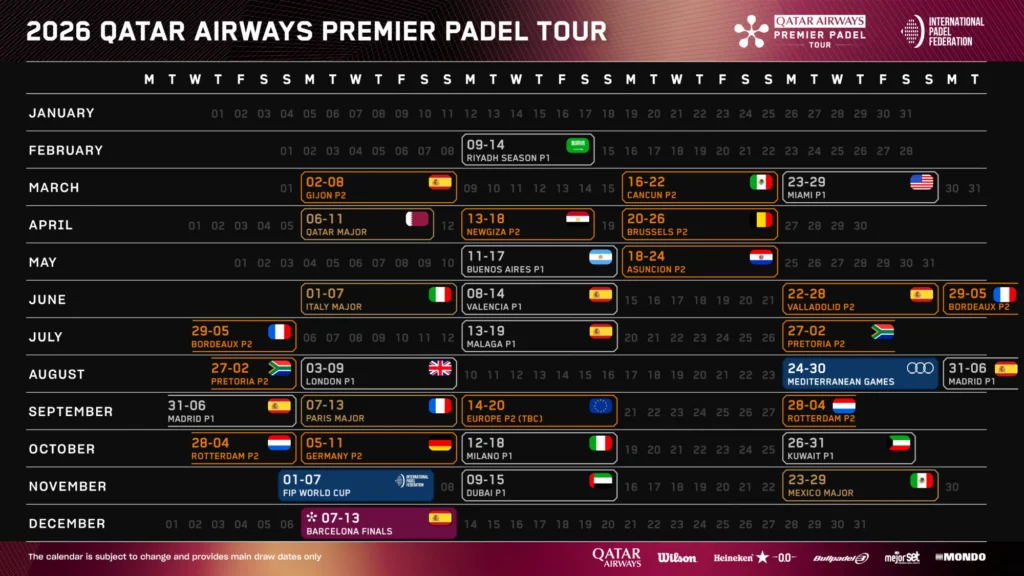

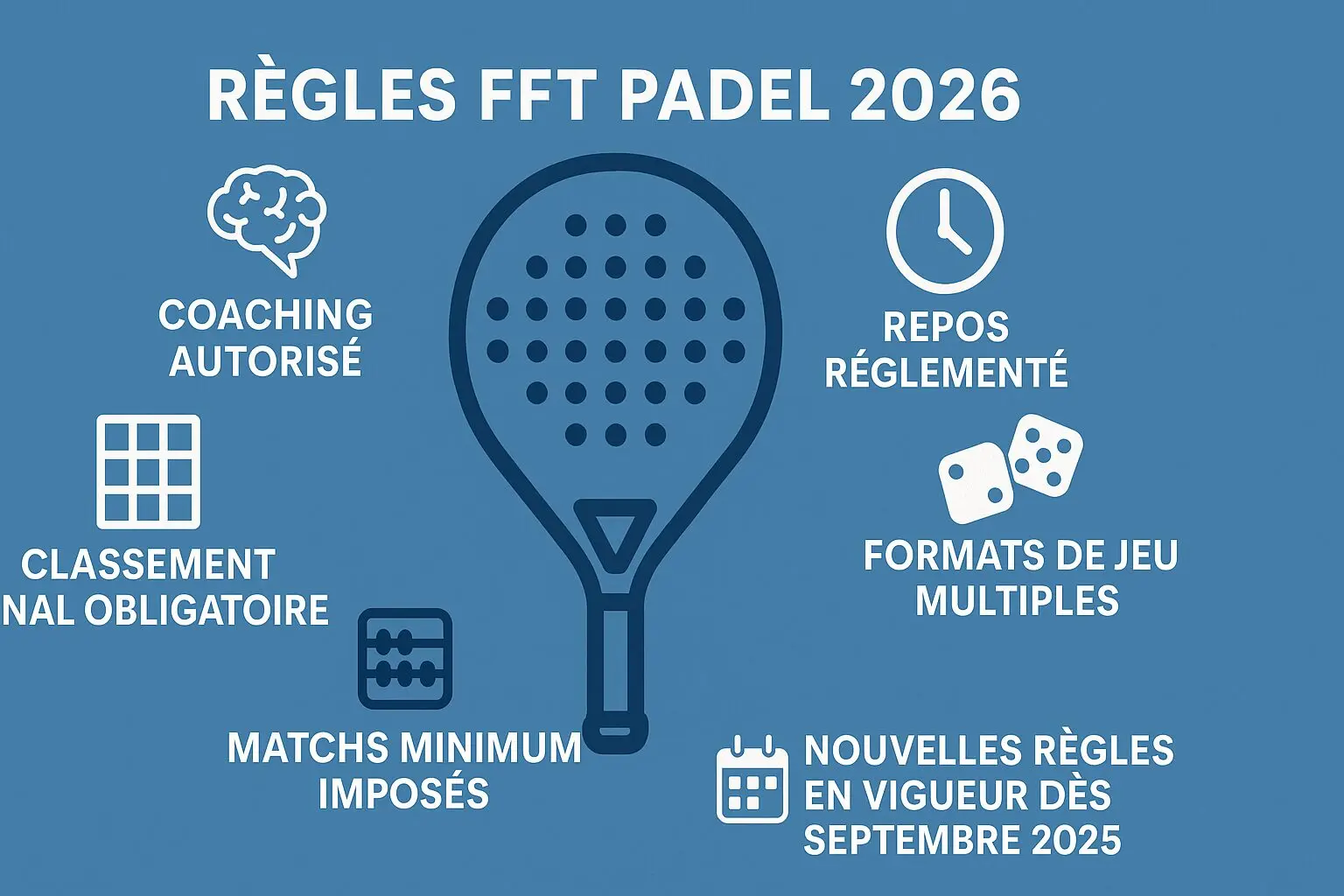

Premier Padel 2026 Calendar Official Tournament Schedule Dates Premier Padel 2026 Calendar . Premier Padel And The FIP Unveil The 2026 Calendar And Launch A New 18 Dicembre Calendario Premier Padel 2026 1024x576 .webp. Premier Padel Tour 2026 Calendar Dates Venues And New Pairings 602069031 N . Padel FFT 2026 Game Formats Sequences Rests The Sporting Rules Are ChatGPT Image 24 Juil 2025 09 13 03 .webp. What Is Padel Tennis The Complete And Easy Guide Padel 40
)
OCA Confirmed Padel For The Aichi Nagoya 2026 Asian Games Padel FIP OCA 1024x576 . Calendario 2026 Del Premier Padel Le Date Da Ricordare Racket Trip Premier Padel Quelles Sont Les Grandes Etapes Du Calendrier 2026.webp. Babolat Padel World Series Playtomic Filters Quality(80). Bullpadel Will Provide The Official Rackets Of Premier Padel Jusqu En Premier Padel X Bullpadel 2026 .webp. FFT New Padel Regulations For The 2026 Season Padel Magazine 2025 07 24 08h57 46 .webp
:strip_icc()/kly-media-production/medias/5215853/original/020552300_1746890176-20250510_153435.jpg)
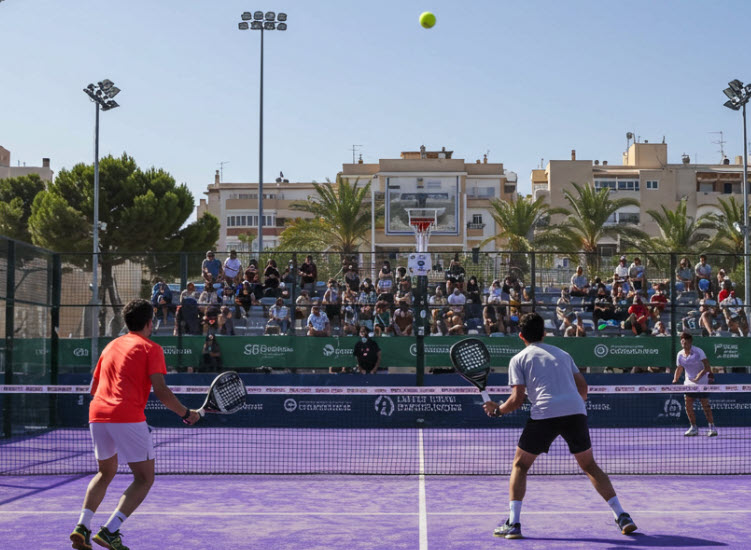
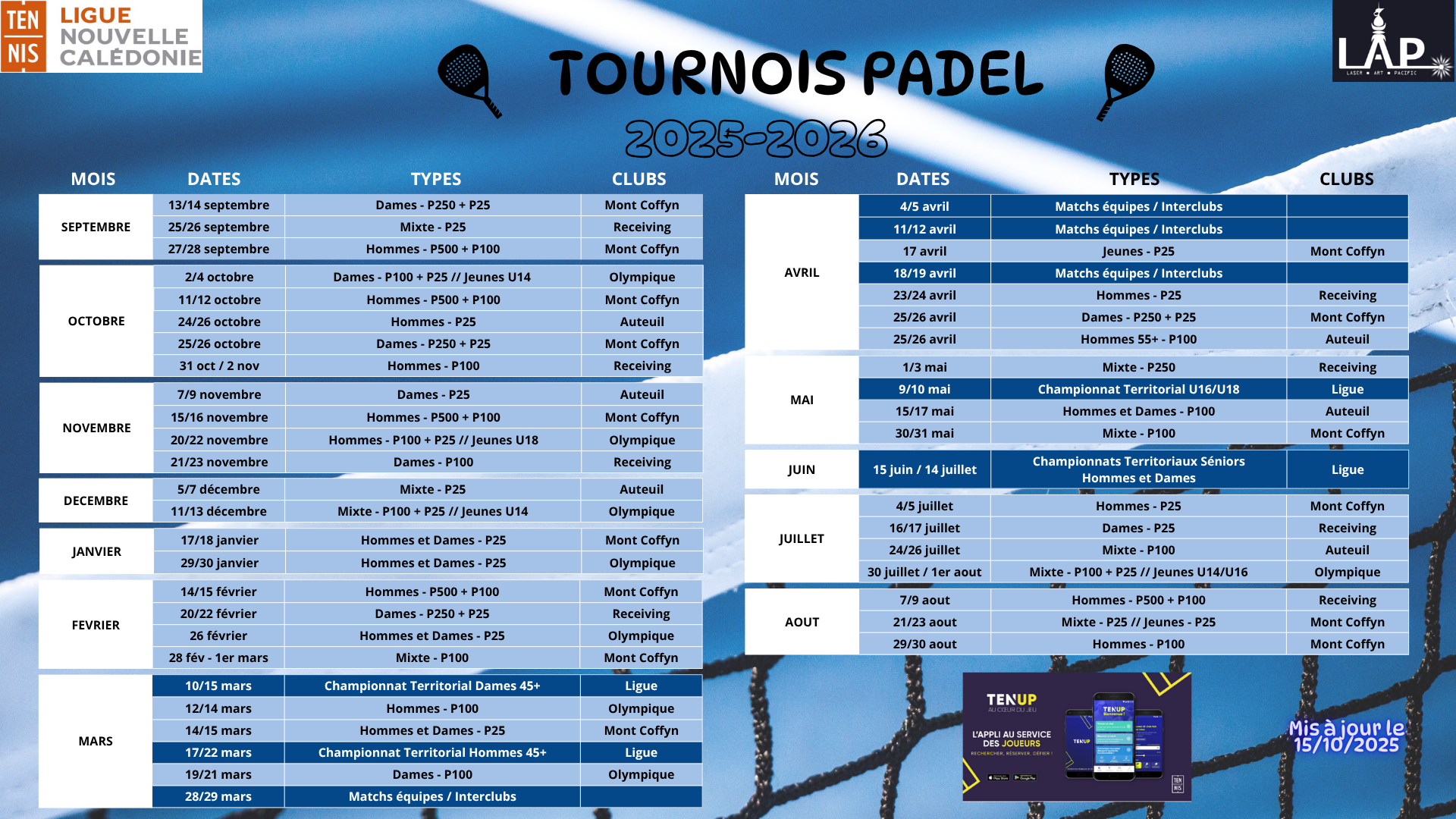
What Is Padel The Racquet Sport Taking Over The World Style Unique Padel Game 1 . OCA Umumkan Padel Masuk Asian Games 2026 Aichi Nagoya OCA Umumkan Padel Resmi Masuk Asian Games 2026.webp. Resmi Di Asian Games 2026 Kompetisi Padel Di Indonesia 020552300 1746890176 20250510 153435 . Padel Included In The 2026 Games About The Olympics Padel To Feature In The 2026 Games . 2025 2026 TOURNOIS PADEL MAJ 15 10 2025 Bis Ligue De 2025 2026 TOURNOIS PADEL MAJ 15.10.2025 Bis
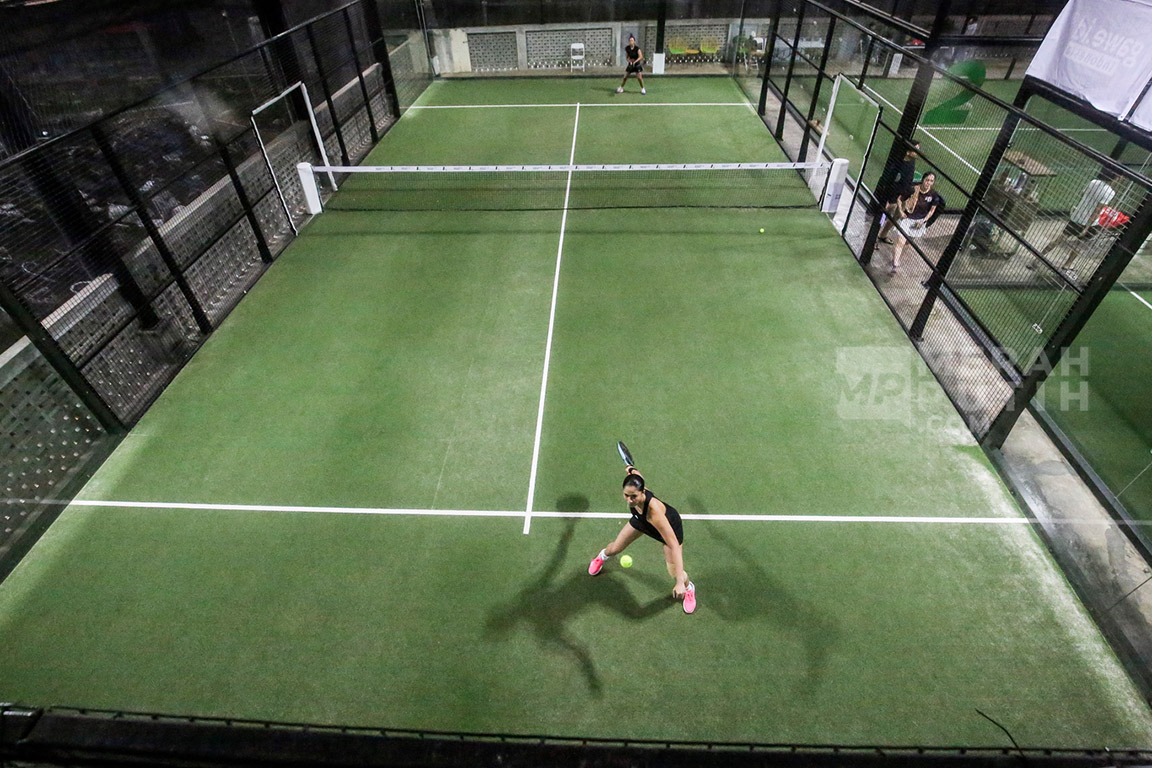

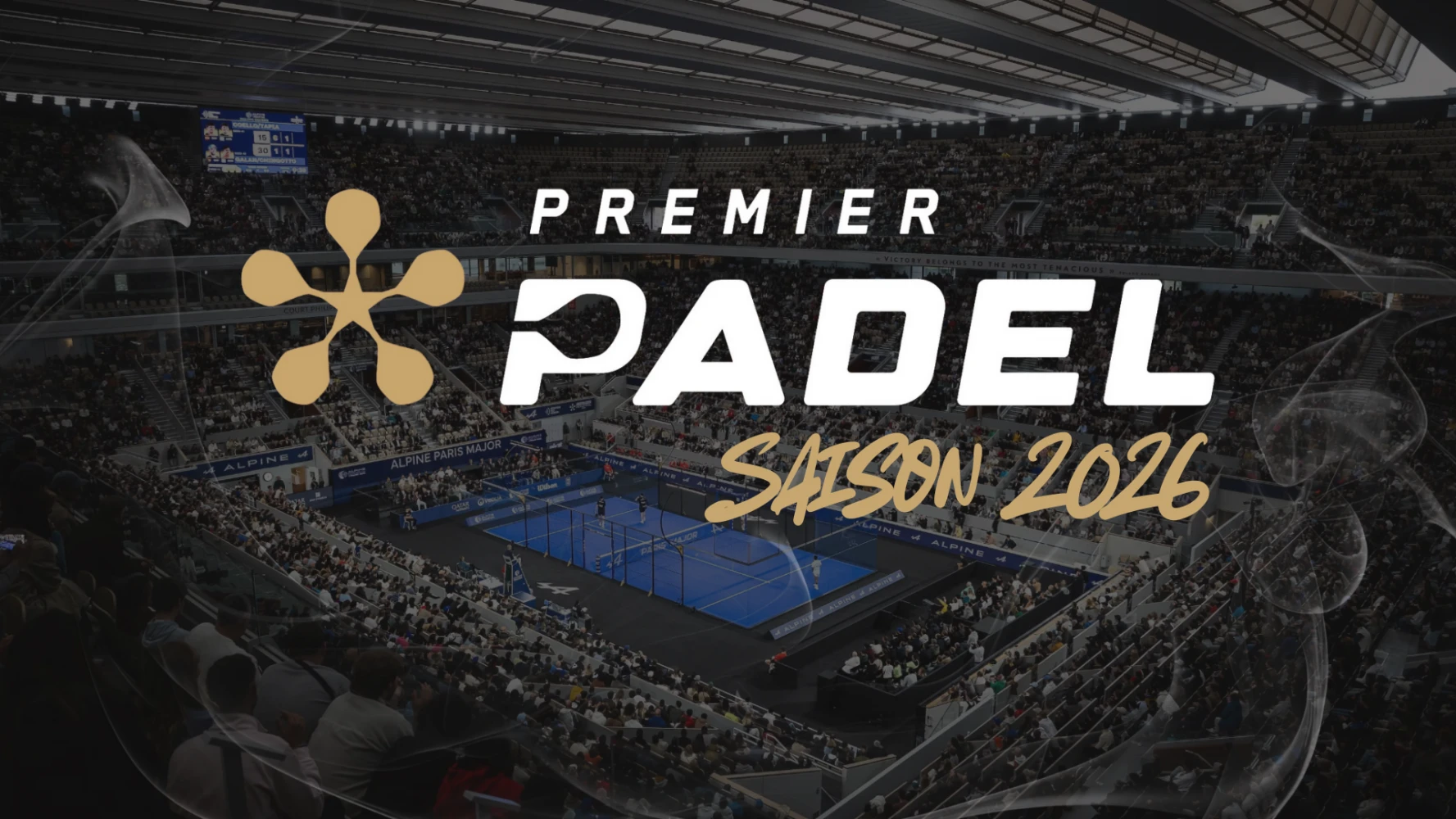
Asian Games 2026 Buka Jalan Padel Masuk Olimpiade MerahPutih . Paris Major Premier Padel 2026 The Upcoming Padel Tournament At Roland 1166365 Une Piste De Padel S Installe Au Pied De La Tour Eiffel Pendant Deux Mois . Bullpadel 2026 Padel Racket Collection Complete Guide Key Features Bullpadel 2026 Padel Rackets Collection Padelsouq C7b13457 256e 4ad4 9d2f 1024x1024 . Resmi Padel Jadi Cabor Asian Games 2026 Lapangan Padel 169 . Here Is The Bullpadel 2026 Range New Molds Exclusive Portada Bullpadel 2026



PADEL NATION 2026 All You Need To Know BEFORE You Go W Reviews Getlstd Property Photo . Padel Regels 2026 Spelregels En Service Uitgelegd Padel Regels Uitgelegd . Licence Padel 2025 2026 Prix Avantages Et Inscription FFT Licences F2171ecb 3eaf 448d B794 . PADEL TOURNAMENT Conversion Conf 2024 9b27a8 . Discover The New Adidas Padel Rackets 2026 Review And Analysis Of The Portada Adidas.2026 1536x804

OCA Confirmed Padel For The Aichi Nagoya 2026 Asian Games Padel FIP PREMIER PADEL FINALS 1 . Padel Resmi Masuk Asian Games 2026 Olahraga Kekinian Siap Debut Di Jepang . Nox 2026 Discover The 10 Padel Rackets That Define The New Era Of En Nox . Where To Play Padel In Liverpool 2026 Guide Tpd OG . Bullpadel 2026 Padel Racket Collection Complete Guide Key Features Nox 2026 Padel Racket Collection Padelsouq 28e54057 344f 46ec Ae69 1024x1024



Padel Resmi Jadi Cabang Olahraga Asian Games 2026 Ilustrasi Olahraga Padel 169 . Why Play Padel Padel Tournaments UK Padel Court . Nouvelles Padel 2025 2026 FRMT ADPT PADEL 2026 1030x476 . Padel Tset O Make Its Debut At The 2026 Asian Games Padel Tonic Padel To Debut At 2026 Asian Games . Padel Is Loved By Everyone From Kate Middleton To David Beckham But What Is Padel Indybest