Understanding what ping means in games is crucial for every player seeking a smoother online experience. This comprehensive guide delves deep into the mechanics of network latency, commonly known as ping, explaining its direct impact on gameplay responsiveness and overall competitive performance. We will explore how high ping manifests as frustrating lag, stutters, and missed actions across various genres, from fast-paced FPS battles to strategic MOBA clashes. Discover practical strategies and essential settings adjustments to significantly lower your ping, ensuring more consistent connections and improved reaction times. This informational resource offers actionable tips to diagnose common causes of latency issues and implement effective solutions, empowering you to optimize your gaming setup for peak performance. Stay ahead in 2026 with the latest insights into network optimization, ensuring your gaming sessions are always fluid and enjoyable. This trending information is designed for both new and seasoned players alike.
Welcome to the ultimate living FAQ for understanding ping in games, fully updated for 2026's dynamic online gaming landscape! We know how frustrating unpredictable lag and connection issues can be, especially when you're deep into a ranked match or a critical endgame raid. This comprehensive guide aims to demystify ping, offering clear answers, actionable tips, and essential tricks to help you achieve a smoother, more responsive gaming experience. We've combed through countless forums and player queries to bring you the most asked questions, covering everything from basic concepts to advanced optimization strategies. Whether you're battling bugs, fine-tuning your builds, or just trying to understand why your character keeps teleporting, this resource is your go-to companion for conquering latency. Let's dive in and fix those pesky connection woes!
Beginner Questions About Ping
What is ping in simple terms for gamers?
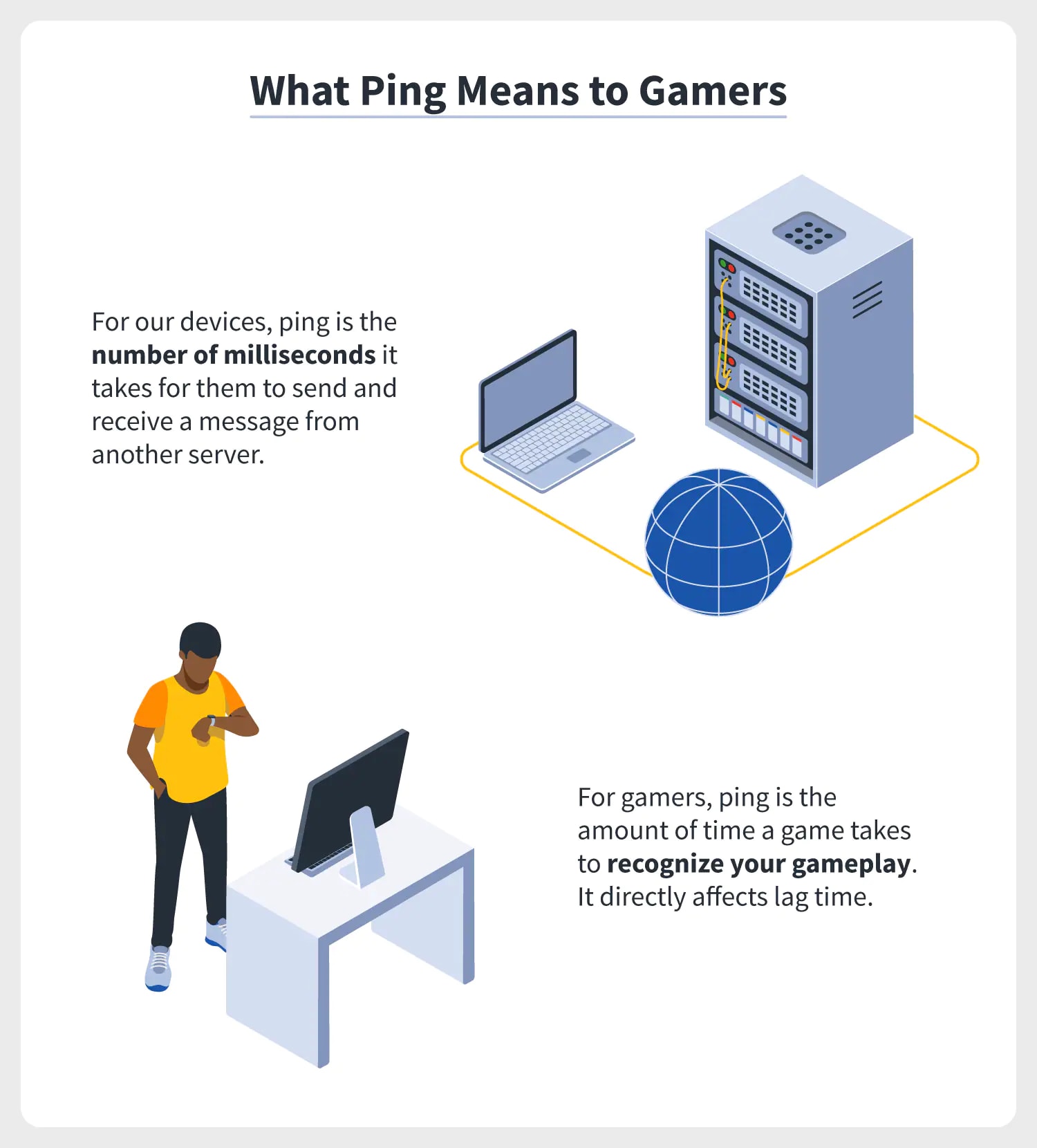
Ping measures the time it takes for data to travel from your gaming device to the server and back, expressed in milliseconds (ms). It is essentially your network's reaction time, directly impacting how quickly your actions register in-game and how smoothly you perceive other players' movements. Lower ping means less delay and a far more enjoyable, responsive experience.
How does high ping affect gameplay and competitive performance?
High ping creates noticeable lag, where your actions (like shooting or moving) are delayed in the game world. This leads to frustrating experiences such as characters teleporting, missed shots, enemies appearing out of nowhere, and overall unresponsive controls. Competitively, it puts you at a severe disadvantage, hindering reaction times and tactical execution.
What is considered a good ping for multiplayer games?
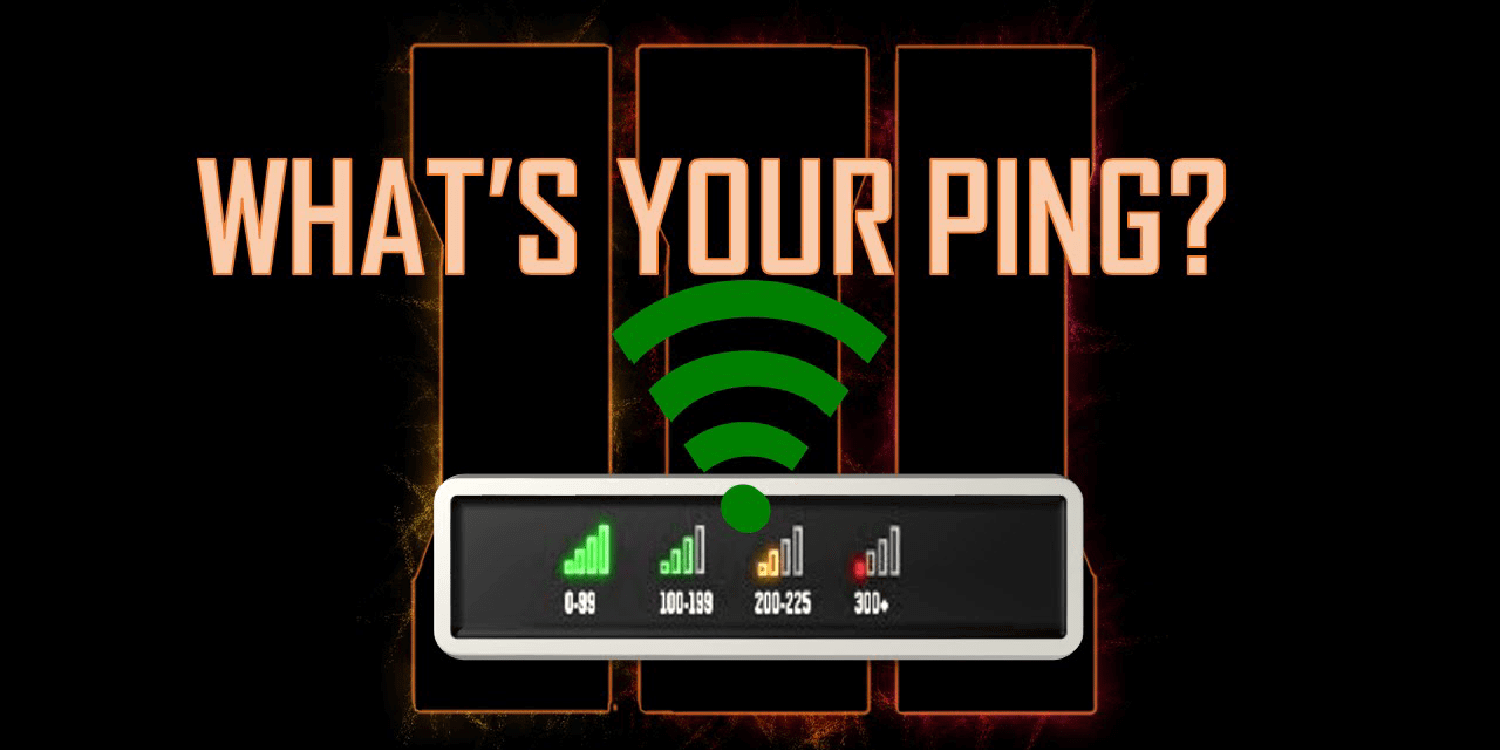
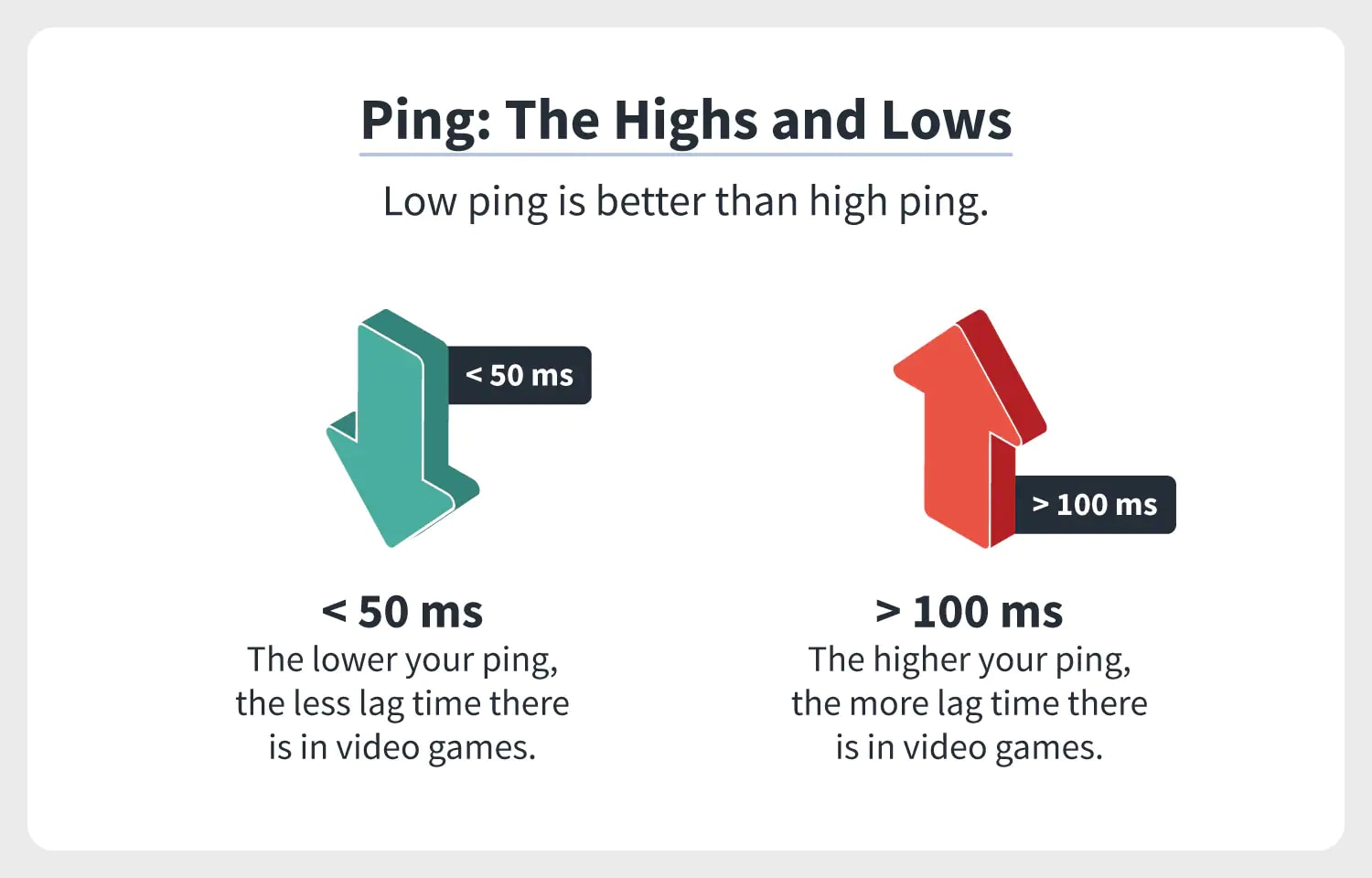
A ping below 20ms is excellent, offering virtually no noticeable delay for competitive play. Pings between 20-50ms are generally very good and perfectly playable for most games. Anything above 80ms begins to introduce noticeable lag, while over 150ms often renders games unplayable due to significant delays.
Is ping the same as internet speed (Mbps)?
No, ping and internet speed are distinct but related. Internet speed (Mbps) measures data volume over time, like how wide a highway is. Ping (ms) measures latency, or the time it takes for a tiny data packet to make a round trip, like how fast one car travels. For gaming, low ping (latency) is generally more crucial than raw download speed.
Diagnosing High Ping & Lag
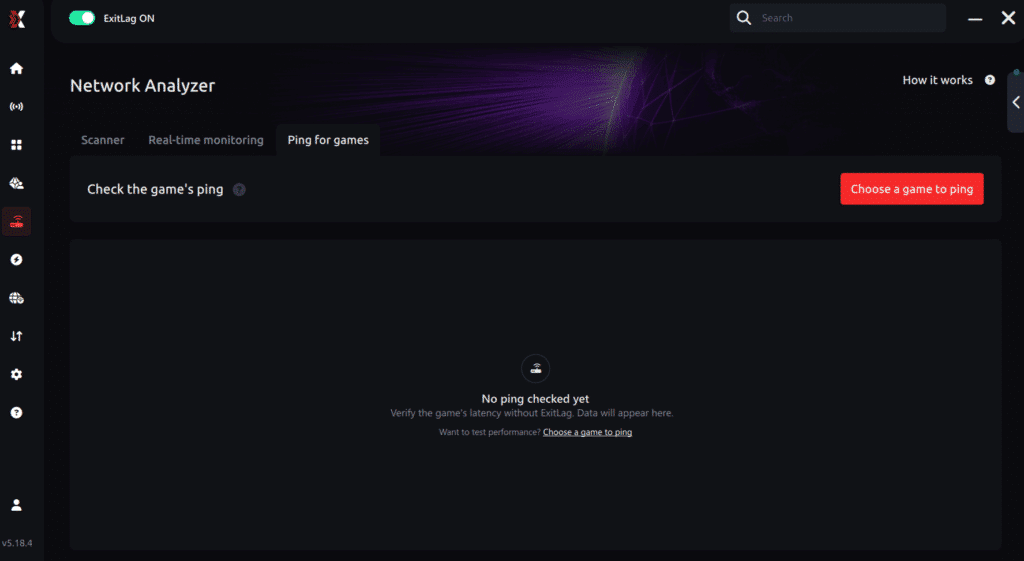
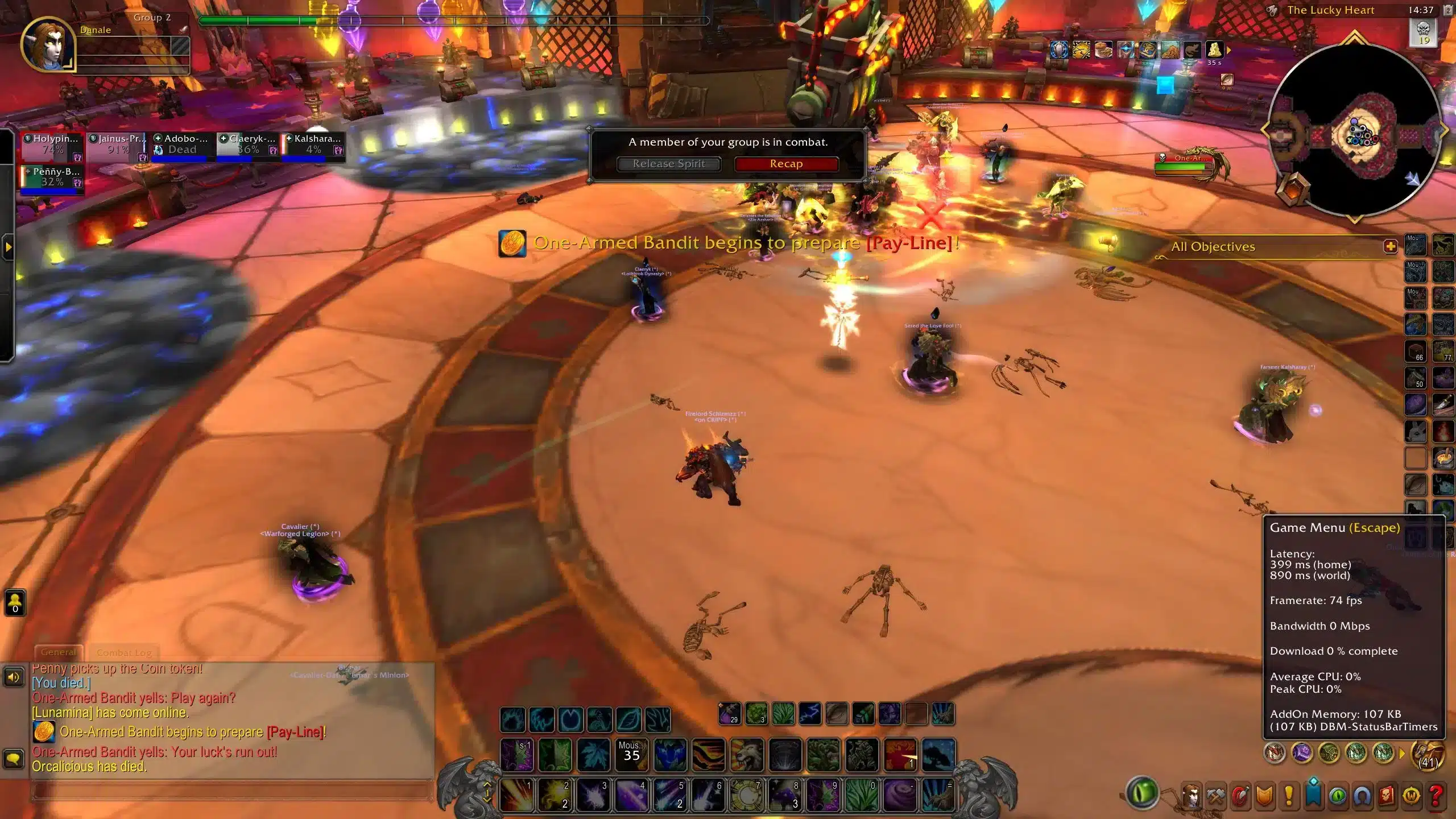
How can I check my ping while playing a game?
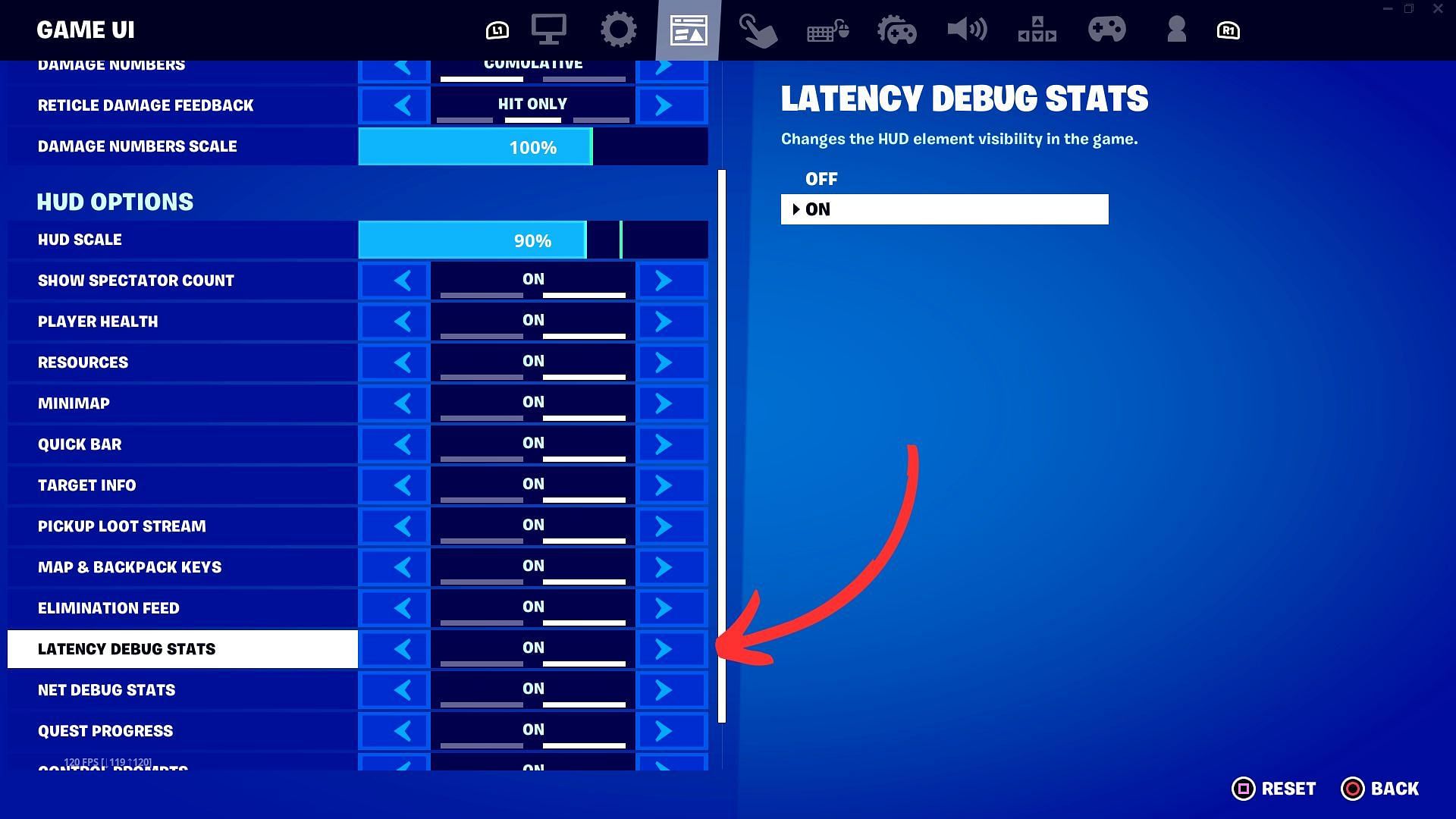
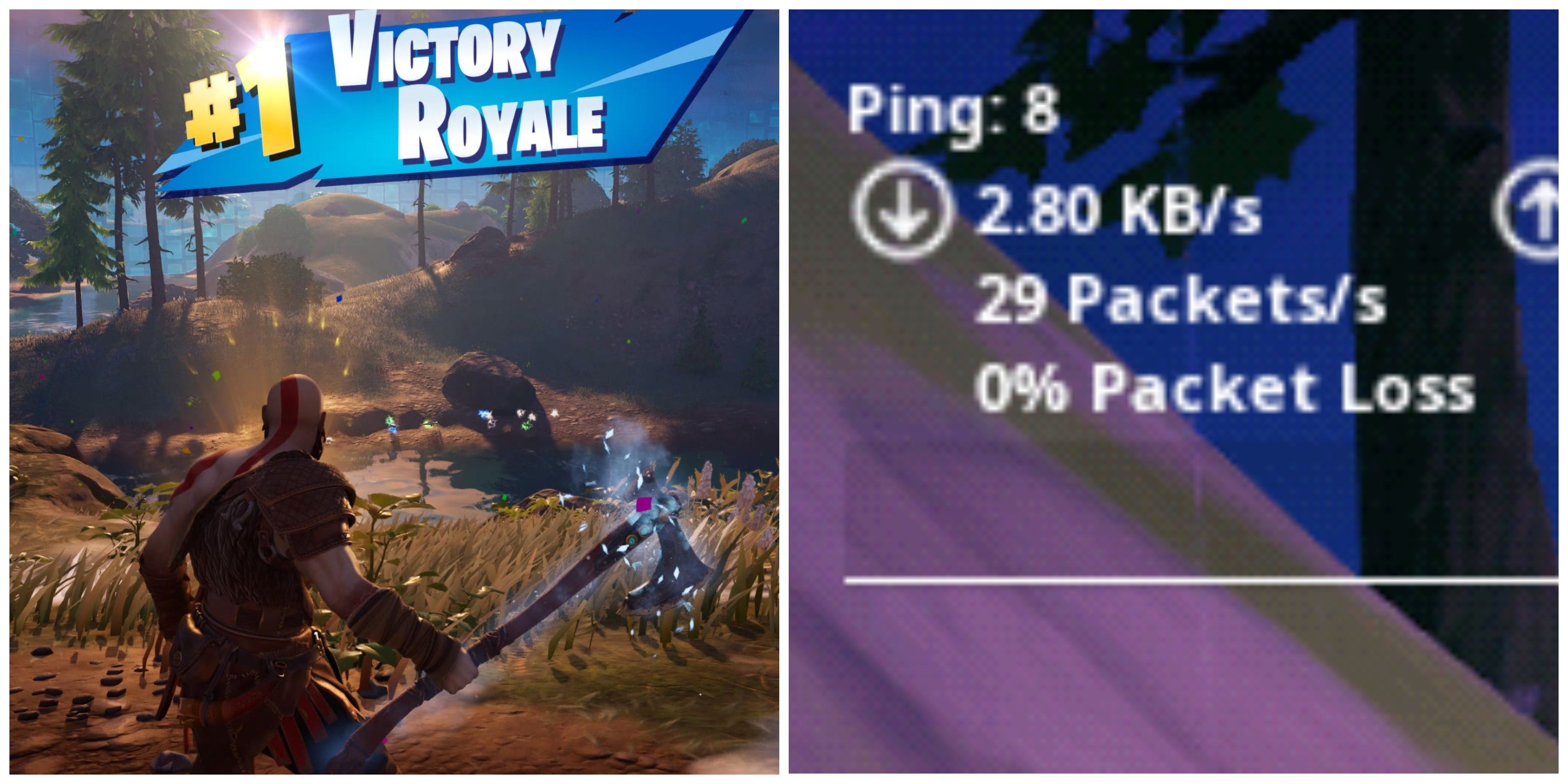
Most modern games include an in-game option, often under 'Display,' 'HUD,' or 'Network' settings, to show real-time ping. Some allow it via a console command (e.g., '~' key). Alternatively, you can use the 'ping' command in your computer's command prompt (e.g., 'ping google.com') or utilize third-party network monitoring software for an overall connection check.
What are the main causes of high ping and lag in games?
Common causes include geographical distance to the game server, network congestion (too many devices using bandwidth), outdated router/modem hardware, Wi-Fi interference, background downloads/updates, and issues with your Internet Service Provider (ISP). Identifying the specific cause is the first step toward finding a solution.
What is packet loss and why is it worse than just high ping?
Packet loss occurs when data packets fail to reach their destination, forcing re-sends and causing severe stuttering and disconnects. While high ping is a delay in data travel, packet loss means data goes missing entirely, leading to much more disruptive and unpredictable lag spikes than simple latency alone. It's truly detrimental to gameplay.
Optimizing Network Settings for Gaming
What is the best way to reduce ping immediately?
The best immediate steps are using an Ethernet cable instead of Wi-Fi, restarting your router and modem, closing all bandwidth-heavy background applications, and ensuring you are connected to the closest game server region. These actions often provide significant and instant ping improvements.
Should I use an Ethernet cable or Wi-Fi for gaming?
Always use an Ethernet cable for gaming if possible. Ethernet provides a direct, stable connection with lower latency and less interference compared to Wi-Fi. While modern Wi-Fi is improving, a wired connection consistently offers superior reliability and lower ping, which is critical for competitive online play.
How does router placement affect my ping?
Router placement significantly affects Wi-Fi ping due to signal degradation and interference. For optimal Wi-Fi, place your router in a central, elevated location, away from walls, large objects, and other electronics. This minimizes signal obstruction and interference, leading to a stronger, more stable wireless connection and lower ping.
Hardware & Internet Service Provider Impact
Can upgrading my router or modem improve ping?
Yes, upgrading old or low-quality router/modem hardware can significantly improve ping. Older devices may struggle with processing speeds or lack modern features like Quality of Service (QoS), creating bottlenecks. Newer hardware offers better efficiency, stability, and advanced features for optimizing network traffic, directly contributing to lower, more consistent latency.
Does my internet service provider (ISP) affect my ping?
Absolutely, your ISP profoundly affects your ping. The quality of their infrastructure, network routing, and overall congestion levels directly impact your latency. Some ISPs offer more stable, lower-latency connections than others, often through fiber optic networks. If you consistently have high ping despite local optimizations, your ISP might be the root cause.
In-Game Settings & Client-Side Optimization
Are there any in-game settings to help with high ping?
While most in-game settings affect FPS rather than ping, some can help. Lowering graphics settings might free up system resources, indirectly reducing any client-side processing lag that exacerbates network latency. Additionally, ensuring your game is set to the correct region and has proper firewall exceptions can prevent connection issues. Always check for a 'network smoothing' or 'interpolation' option, which can mask high ping visually.
Does disabling antivirus or firewall software lower ping?
Temporarily disabling antivirus or firewall software can sometimes marginally lower ping if these programs are actively scanning network traffic or blocking necessary game ports. However, this is generally not recommended for security reasons. Instead, ensure your gaming applications have proper exceptions in your firewall to allow unrestricted network access without compromising security.
Ping in Different Game Genres
How important is low ping in First-Person Shooter (FPS) games?
Low ping is critically important in FPS games. These titles demand split-second reactions, precise aim, and real-time movement. High ping directly hinders hit registration, creates 'peeker's advantage' for opponents, and makes aiming incredibly difficult. For competitive FPS, achieving ping under 50ms is essential for a fair and responsive experience.
Is ping as critical for MMORPGs or Strategy games?
While still beneficial, ping is generally less critical for MMORPGs (Massively Multiplayer Online Role-Playing Games) and Strategy games compared to FPS or MOBA titles. These genres often involve slower-paced combat or turn-based actions where a few extra milliseconds of latency are less impactful on core gameplay. However, consistently high ping (over 150ms) will still cause noticeable frustration and delays in any online game.
Common Ping Myths vs. Reality
Myth: A higher internet speed automatically means lower ping.
Reality: False. Internet speed (bandwidth) dictates how much data you can transfer, not how quickly it travels. You can have gigabit internet but still experience high ping if the server is far away or there's network congestion. Ping is about latency, while speed is about throughput.
Myth: VPNs always reduce ping for gaming.
Reality: False. While a VPN *can* sometimes reduce ping by routing your connection through a less congested or more direct path to the game server, it more often *increases* ping due to the added encryption and server hop. VPNs are primarily for security or region unblocking, not typically for lower latency in gaming.
Myth: Changing my DNS server will drastically lower my ping.
Reality: Generally false for in-game ping. Changing DNS (Domain Name System) servers can speed up the initial connection process to game servers or websites by resolving domain names faster. However, it rarely has a direct, significant impact on your actual in-game ping once a connection is established. It's a minor optimization, not a ping reducer.
Myth: My ping is always my ISP's fault.
Reality: Not always. While your ISP's network quality is a major factor, high ping can often stem from local issues like Wi-Fi interference, network congestion in your home, outdated router hardware, or background applications on your PC. It's crucial to troubleshoot your local network first before blaming the ISP entirely.
Myth: Clearing my browser cache reduces in-game ping.
Reality: False. Your browser cache stores website data to speed up web browsing. It has no direct impact on your game's network connection or ping. In-game ping is governed by the communication between your game client and the game server, not your web browser's stored data.
Advanced Troubleshooting for Persistent Lag
When should I contact my ISP about high ping?
You should contact your ISP if you've exhausted all local troubleshooting (Ethernet, router reboot, closing apps, server region) and still experience consistently high ping or frequent packet loss. Provide them with detailed information, including speed test results, ping tests to various servers, and the times when issues are most prevalent, to help them diagnose potential network problems on their end.
What is QoS and how can it help prioritize gaming traffic?
Quality of Service (QoS) is a router feature that allows you to prioritize specific types of network traffic. By enabling and configuring QoS, you can designate your gaming device or game application to receive preferential bandwidth treatment. This ensures your game data gets through without delay, even if other devices on your network are streaming or downloading, thus preventing ping spikes during congestion.
Future Trends & 2026 Technologies
How will 5G and edge computing impact future gaming ping?
5G and edge computing are poised to significantly lower future gaming ping. 5G's inherently low-latency architecture, coupled with edge computing that places game servers geographically closer to players, will drastically reduce data travel times. This combination promises highly responsive cloud gaming experiences and more stable connections, even for mobile gamers, by minimizing the physical distance data must traverse.
Are low-earth orbit (LEO) satellites changing internet for gamers?
Yes, LEO satellite internet services, like Starlink, are revolutionizing internet access for gamers in remote areas. Unlike traditional geostationary satellites, LEO satellites orbit much closer to Earth, dramatically reducing latency. This makes online gaming viable in regions where it was previously impossible or plagued by extremely high ping, opening up competitive play to a wider audience.
Pro Tips for Competitive Play
What are pro players doing to ensure the lowest ping?
Pro players prioritize a wired Ethernet connection, use high-quality networking hardware (routers, modems), ensure dedicated bandwidth during play by minimizing other network traffic, and consistently connect to the geographically closest game servers. They also keep network drivers updated and often utilize router QoS settings to prioritize their game traffic, leaving no stone unturned for optimal latency.
How can I identify if my ping issues are local or server-side?
To identify if ping issues are local or server-side, first check your ping in multiple games or to different servers within the same game. If ping is consistently high across all tests, it's likely a local network issue. If high ping only occurs on specific servers or games, it's more likely a server-side problem or a routing issue between your ISP and that particular game server. Using tools like PingPlotter can also help trace the route and pinpoint where latency spikes occur.
Still have questions? Check out our other popular guides like 'FPS Optimization Guide 2026 - Max Performance' or 'How to Fix Stuttering in Games Easy Steps.' You've got this!
Ever wonder why your character sometimes just freezes or warps across the screen in the middle of an intense firefight? You are not alone, many gamers consistently ask, 'What exactly is ping in games, and why does it always seem to ruin my perfect shot?' Understanding this crucial network metric is like unlocking a secret level to smoother, more enjoyable online gameplay. In 2026, with competitive titles demanding split-second reactions, a stable connection is more vital than ever before for success.
Beginner / Core Concepts
1. Q: What exactly is ping in gaming, and how does it affect my experience?
A: Ping, my friend, is simply a measurement of the time it takes for data to travel from your computer to a game server and back again. It's often measured in milliseconds, and a lower number always means a faster, more responsive connection for you. I get why this confuses so many people, but think of it like ordering food at a drive-thru; high ping means a super long wait for your order. This delay profoundly impacts every action you take in a game, from shooting enemies to casting spells.
It's essentially how quickly your game client communicates with the server, letting the server know what you're doing and receiving updates about what everyone else is doing. If your ping is 100ms, there's a one-tenth of a second delay between your action and the server registering it. This small delay can be the difference between a headshot and a frustrating miss, especially in fast-paced competitive titles. Modern game engines in 2026 are smart, but even they can't magically erase significant network latency. You've got this, understanding ping is the first step!
2. Q: Why do I experience "lag" when my ping is high?
A: Ah, lag, the bane of every online gamer's existence! Lag and high ping are practically two sides of the same coin when you're talking online games. When your ping is high, it means there's a significant delay in the data exchange between your machine and the game server. This delay translates directly into what you perceive as lag, making the game feel unresponsive or choppy. It's like trying to have a conversation with someone across a very long, echoey hallway; everything takes longer. You're pressing a button, but the game world reacts moments later, which is super frustrating.
You might see your character teleporting, or enemies suddenly appearing out of nowhere, or even your shots not registering. This isn't just a minor annoyance; it can completely ruin your strategic plays and competitive edge. Think of it as a crucial timing issue. Game actions are precisely timed, and high ping throws that timing off significantly. Don't worry, there are definitely ways to battle this monster, and we will get into those soon. Just remember, high ping equals lag, and nobody wants that! Try to keep your connection clear.
3. Q: What's considered a "good" ping versus a "bad" ping number?
A: This is a question I hear all the time, and it's a great one for setting expectations! Generally, a ping under 20 milliseconds (ms) is considered excellent. This gives you a near-instantaneous response, which is ideal for competitive FPS (First-Person Shooter) or MOBA (Multiplayer Online Battle Arena) titles. You'll barely notice any delay at all, allowing for truly fluid gameplay. Pings between 20-50ms are still very good and perfectly playable for most online experiences. This range offers a smooth enough connection for casual and even many ranked matches.
However, when your ping climbs to 50-100ms, you'll start noticing a slight delay. It might not be game-breaking for slower-paced RPGs or strategy games, but it becomes a distinct disadvantage in fast-twitch scenarios. Anything above 100ms is generally considered poor. At this point, you'll experience significant lag, stutters, and your actions will feel unresponsive and frustrating. Above 200ms, most games become almost unplayable. Always aim for that sweet spot under 50ms for the best gaming experience. You'll feel the difference, I promise!
4. Q: Is ping the same as my internet speed?
A: That's a common misconception, and I totally get why people confuse them, but they're actually quite different, though related. Internet speed, usually measured in megabits per second (Mbps), tells you how much data can be downloaded or uploaded per second. Think of it as the width of a highway; a higher speed means more lanes for data traffic. If you have a 100 Mbps connection, you can download large files quickly, for instance. This is important for initial game downloads and updates, but less so for actual in-game performance once you're playing.
Ping, on the other hand, measures latency, which is the time delay for a small packet of data to travel to a server and return. It's like measuring how long it takes a single car to make a round trip on that highway, regardless of how many lanes there are. You could have a super-fast internet connection (a very wide highway) but still have high ping if the server is far away or there are bottlenecks (traffic jams) on the route. For gaming, low ping is generally more critical than raw speed, as games send small, frequent data packets. Speed helps download the game, but ping determines how well you play it. Keep these distinct!
Intermediate / Practical & Production
5. Q: What are the most common reasons my ping might be high in games?
A: High ping can feel like a mystery, but typically, there are a few usual suspects behind the scenes. The number one reason is often your geographical distance from the game server. Data has to travel physical miles, and the further it goes, the longer it takes. Another huge factor is network congestion, both on your local network and on your internet service provider's (ISP's) side. If other devices in your home are streaming 4K video or downloading huge files, your gaming data gets caught in the queue. Plus, a busy network from your ISP, especially during peak hours, can significantly increase latency for everyone. Your router's health and configuration also play a big part. An old, overloaded, or poorly placed router can be a silent killer of low ping. Finally, even background applications on your gaming rig can secretly gobble up bandwidth. Sometimes a simple router restart or closing background apps makes all the difference.
It's like trying to race on a busy highway while your car is full of groceries and your tires are low on air. Each of these elements adds to the total travel time for your game data. Identifying which one is your main culprit is the first step toward fixing it. We've all been there, scratching our heads over why our connection suddenly tanks. Remember to check these common issues systematically before diving into more complex solutions. You'll be surprised how often it's something simple and easily fixable. You absolutely got this!
6. Q: How can I check my current ping while playing a game?
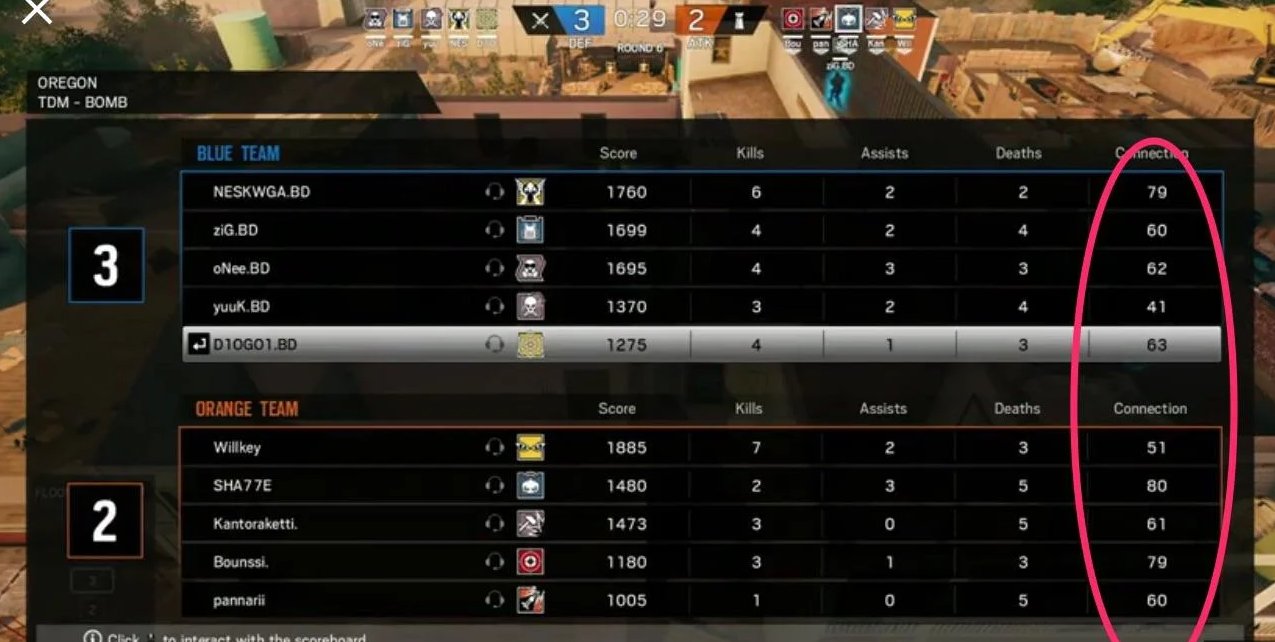
A: Knowing your ping in real-time is super helpful for troubleshooting, and thankfully, most modern games make it quite easy to check! Often, there's a setting in the game's options menu, usually under 'Display,' 'HUD,' or 'Network,' that you can toggle to show network statistics. This might include ping, packet loss, and FPS (frames per second). Look for an option like 'Show Network Stats' or 'Display Ping.' In many competitive FPS titles, pressing a specific key, like 'Tab' for the scoreboard or a dedicated console command, will temporarily display your ping. It's a quick glance that tells you if your current game session is suffering from a bad connection.
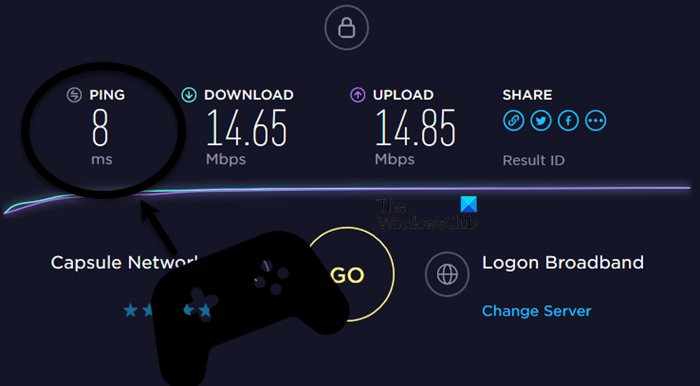
If your game doesn't have an in-game option, or if you want to check your general connection, you can use external tools. A simple 'ping' command in your computer's command prompt (CMD for Windows, Terminal for Mac) directed at a game server's IP address (if you can find it) or even a well-known public server like Google (ping google.com) gives you a basic latency reading. Some operating systems also have built-in resource monitors that show network activity. Additionally, many third-party network monitoring tools and gaming overlays can provide real-time ping data. Being aware of your numbers is powerful. Try these methods to stay informed!
7. Q: What simple steps can I take right now to try and reduce my ping?
A: Alright, let's get you some quick wins for lower ping! First off, the simplest and often most effective step is to reboot your router and modem. Seriously, just unplug them for 30 seconds, then plug them back in. This often clears up minor network glitches. Secondly, close any bandwidth-hogging applications on your gaming PC and other devices on your network. Think streaming services, large downloads, or even cloud backups running in the background. Every bit of bandwidth counts. Thirdly, if you're on Wi-Fi, try moving closer to your router or, even better, switch to an Ethernet cable. A wired connection is almost always more stable and faster than Wi-Fi. Fourth, ensure your game and network drivers are up to date. Outdated drivers can sometimes introduce unexpected latency. Finally, check your game's server selection; always choose the server closest to your physical location. These small adjustments can yield immediate and noticeable improvements to your ping. Give these a shot right away!
These are like the quick patches you apply during a boss fight when things get tough. Don't underestimate the power of these basic steps; they resolve a surprising number of ping issues for casual and pro players alike. It's all about making sure your data has the clearest path possible. You'll be back to smooth fragging in no time! Remember, consistency is key.
8. Q: Does playing on Wi-Fi make my ping worse than using an Ethernet cable?
A: This is a definitive 'yes,' my friend, almost always. While Wi-Fi has come a long way, an Ethernet cable provides a much more stable and lower-latency connection for gaming. Wi-Fi signals are susceptible to interference from other wireless devices, physical obstructions like walls, and even signals from your neighbors' networks. All these factors introduce 'wireless overhead' and potential packet loss, which collectively increase your ping and create frustrating stutters. Ethernet, on the other hand, is a direct, dedicated physical connection from your PC to your router. It's like having a private express lane for your data, completely bypassing all the potential wireless traffic and interference. This direct connection drastically reduces latency, often by 10-30ms or more, depending on your environment. For any serious online gamer, especially in competitive titles, switching to an Ethernet cable is one of the most impactful upgrades you can make for consistently lower ping and better performance. It's truly a game-changer. I highly recommend it if you can make it work in your setup.
Seriously, if you've been relying solely on Wi-Fi for your competitive sessions, you're likely leaving performance on the table. Think of it as upgrading your gaming rig with a solid GPU; the difference in consistency and responsiveness is undeniable. Invest in a good quality cable and see your ping numbers drop. You won't regret making the switch for superior online stability. Go for it!
9. Q: Can changing my game server region actually lower my ping?
A: Absolutely, changing your game server region can drastically lower your ping, and it's one of the first things you should check if you're experiencing high latency. Ping is fundamentally a measure of distance and time. The further away the game server is physically located from your internet service provider's network, the longer it takes for data to make the round trip. If you're accidentally connected to a server on the other side of the world, say a European server when you're in North America, your ping will naturally be extremely high. Always select the server region that is geographically closest to you. For instance, if you live on the East Coast of the USA, connecting to an 'East US' or 'North America East' server will almost always give you lower ping than an 'Europe' or 'Asia' server. Many games automatically try to connect you to the best server, but sometimes they get it wrong, or you might be grouped with friends on a distant server. Double-checking your server selection is a quick and free way to potentially slash your ping. Always confirm your region before starting a match. This simple trick can make a massive difference. Give it a try!
This is often overlooked, but it's a huge factor in your overall connection quality. Sometimes, you'll even find a slightly less populated server in your region that offers a better, more stable connection. Experiment a little to find your sweet spot. Every millisecond counts in a competitive environment. You'll be amazed by the improvement!
10. Q: What role do my router and modem play in my ping, and can I optimize them?
A: Your router and modem are the unsung heroes, or sometimes the silent villains, of your home network, and they play a massive role in your ping! The modem is your gateway to the internet, converting signals from your ISP. The router then distributes that internet connection to all your devices, wirelessly or via Ethernet. An old, outdated modem or router might not be able to process data quickly enough, creating a bottleneck that directly increases latency. Firmware updates for your router are also crucial; manufacturers often release updates that improve performance and security, including network efficiency. Proper placement of your router matters too; central locations, away from obstructions and other electronics, ensure a stronger Wi-Fi signal if you're using it. Many modern routers also come with Quality of Service (QoS) settings. This feature allows you to prioritize gaming traffic over other activities like streaming or downloads, ensuring your game gets the bandwidth it needs first. You can definitely optimize them! Look into QoS settings if your router supports it. Also, consider upgrading truly ancient hardware. Remember, your network is only as strong as its weakest link, and often that link is your router. A well-configured router and modem can significantly improve your network's responsiveness. You've got the power to make these devices work harder for your gaming!
Advanced / Research & Frontier 2026
11. Q: How do advanced networking features, like QoS or custom DNS, impact ping?
A: When we talk about advanced optimization, QoS (Quality of Service) and custom DNS settings are definitely on the table, and they can absolutely impact your ping, albeit in subtle ways. QoS, found in many modern routers, lets you prioritize certain types of network traffic. For gamers, this means you can tell your router to give your game data precedence over, say, a 4K Netflix stream or a large software update happening on another device. It won't lower your base ping if the server is far away, but it can prevent 'ping spikes' and ensure your connection remains stable and consistent under heavy network load, which is super important for competitive integrity. Think of it as a bouncer at the club, letting your VIP game traffic skip the line. Custom DNS (Domain Name System) servers, like Google's 8.8.8.8 or Cloudflare's 1.1.1.1, also come into play. DNS servers translate website names into IP addresses. While they don't directly affect your in-game ping, a faster DNS server can speed up the initial connection to game servers and sometimes improve routing pathways, potentially shaving off a few crucial milliseconds or resolving connection issues that feel like ping problems. It's all about fine-tuning your network's performance. Experiment with these settings if you're looking for that extra edge!
These are definitely more advanced tweaks, but they can be incredibly rewarding. Especially in a 2026 network environment where efficiency is paramount. If you're serious about minimizing every possible delay, diving into your router's QoS settings and trying a different DNS is a smart move. You'll be surprised by the nuanced improvements. Keep pushing for that perfect connection!
12. Q: What's the deal with "packet loss" and how does it relate to high ping or lag?
A: Packet loss is one of those frustrating network issues that often goes hand-in-hand with high ping and severe lag, but it's a distinct problem. Simply put, packet loss occurs when data packets sent between your computer and the game server literally get lost or dropped somewhere along the internet route. Instead of reaching their destination, they vanish into the digital ether. When this happens, your computer or the server has to re-send the missing information, which introduces significant delays. This can manifest as extremely choppy gameplay, teleporting characters even with seemingly decent ping numbers, sudden freezes, or even disconnects. It's like having parts of a conversation go missing, forcing you to constantly ask, 'What did you just say?' You'll feel a sense of stuttering and unresponsiveness that's even worse than just high ping alone. While high ping is about the *time* it takes for data to travel, packet loss is about whether the data *arrives at all*. It's a serious issue for smooth gameplay. Diagnosing packet loss often involves using tools like PingPlotter or your router's diagnostic features to trace the network route and identify where the packets are being dropped. It's often caused by faulty cables, congested networks, or issues with your ISP. Addressing packet loss is crucial for truly stable online gaming. You'll definitely want to tackle this one if you're seeing it!
Identifying and fixing packet loss can transform your gaming experience. It's often the culprit behind those truly unplayable moments where the game seems to freeze for seconds at a time. Don't let those missing packets ruin your K/D ratio! Investigate your network path.
13. Q: Are there any 2026-specific technologies or trends helping to lower ping for gamers?
A: Absolutely! The world of networking never stands still, and 2026 is seeing some exciting advancements that are definitely helping gamers achieve lower ping. One major trend is the continued expansion of 5G networks. While 5G's headline feature is often speed, its extremely low latency capabilities are a huge boon for mobile and even some home gamers in areas with robust coverage. Edge computing is also becoming increasingly relevant. Instead of servers being miles away in central data centers, 'edge' servers are being deployed closer to end-users, physically reducing the distance data needs to travel. This directly translates to lower ping for games hosted on these distributed servers. Furthermore, improvements in fiber optic infrastructure continue to push the boundaries of data transmission speed and consistency, replacing older, slower copper networks. Satellite internet is even evolving with constellations of low-earth orbit (LEO) satellites, like Starlink, which offer significantly lower latency than traditional geostationary satellite internet, making online gaming viable in remote areas where it once wasn't. Finally, advancements in router technology and Wi-Fi 7 (802.11be) are refining wireless efficiency to reduce latency on local networks. These technologies are collectively making online gaming more responsive and accessible than ever before. It's an exciting time for network nerds! You're playing in a golden age of connectivity!
The future is looking incredibly bright for low-latency gaming. These developments, driven by massive investments in infrastructure, are setting new benchmarks for what's possible. Stay informed about what's available in your area to leverage these cutting-edge improvements. Your competitive edge depends on it!
14. Q: How do modern game engines and netcode handle high ping differently compared to older titles?
A: This is a fascinating area, and modern game engines have gotten incredibly sophisticated in how they try to smooth over high ping! Older games, with simpler netcode, often relied purely on client-server authoritative models, meaning every action had to be fully confirmed by the server before it happened on your screen. With high ping, this resulted in extremely noticeable lag and jerky gameplay. Newer engines, like those powering many 2026 titles, employ advanced techniques such as client-side prediction and server-side reconciliation. Client-side prediction essentially guesses what your inputs will do locally on your machine before the server confirms them, making your actions feel instant. The server then 'reconciles' this prediction with its true state, correcting any discrepancies seamlessly, ideally. They also use interpolation and extrapolation to predict other players' movements, making their motion appear smoother even with high ping, rather than them teleporting. However, these methods aren't magic. While they make high ping *feel* better, they can also lead to issues like 'desync' or 'peeker's advantage' in FPS games, where what you see on your screen differs slightly from the server's truth. Despite these minor compromises, modern netcode is a marvel, allowing for playable experiences even in situations where older games would have been unplayable. They're constantly evolving to mask the unavoidable reality of network latency, making gaming much more enjoyable for a wider audience. It's truly impressive engineering at play!
Understanding these techniques helps you appreciate the immense effort developers put into making online games function well across various connection qualities. While good netcode helps, it's never a substitute for a low-ping connection. Aim to provide the best possible input for the netcode to work with. You're part of this amazing technological journey!
15. Q: When should I consider upgrading my internet plan or hardware specifically for better ping?
A: Deciding when to upgrade your internet plan or network hardware specifically for ping can feel like a big step, but it's a smart consideration after you've exhausted all other software and basic troubleshooting options. You should definitely consider an upgrade if you consistently experience high ping (above 80-100ms) even after ensuring you're on a wired connection, closing background apps, and selecting the closest server. If your current internet plan is very basic, especially DSL or older cable tiers, upgrading to a fiber optic connection, if available in your area, will offer a significantly more stable and lower-latency foundation, even if your download speeds already seem 'fast enough.' Ping benefits most from consistency and the underlying technology, not just raw megabits per second. For hardware, consider a new router if yours is more than 3-5 years old, especially if it doesn't support modern Wi-Fi standards (like Wi-Fi 6/6E/7) or advanced features like QoS. An older router can become a bottleneck, slowing down your entire network. Also, if you're seeing consistent packet loss, an ISP upgrade to a more reliable service or newer modem might be warranted. Before upgrading, always check what your ISP promises regarding latency and stability, not just download speed. These upgrades are investments into your gaming happiness. Don't be afraid to make a change if your current setup is truly holding you back. You deserve a smooth gaming experience!
It's about making an informed decision that truly addresses the root cause of your latency issues. Sometimes, a hardware refresh is exactly what your network needs to truly shine. Look at reviews, compare plans, and make the jump when you're ready to elevate your gaming. You've got this!
Quick 2026 Human-Friendly Cheat-Sheet for This Topic
- Ethernet First: Always use a wired connection; Wi-Fi adds latency and instability, even with Wi-Fi 7.
- Restart Everything: Give your router and modem a quick reboot; it fixes more issues than you'd think.
- Close Background Apps: Stop downloads, streams, and unused apps to free up bandwidth for your game.
- Pick Closest Server: Ensure you're playing on the game server geographically nearest to you for optimal routing.
- Update Drivers & Firmware: Keep your network adapter drivers and router firmware current for best performance.
- Consider QoS: If your router has it, enable Quality of Service to prioritize your game's network traffic.
- Monitor Ping & Packet Loss: Regularly check your in-game stats or use external tools to identify issues early.
Understanding ping's impact on game responsiveness, diagnosing and fixing high ping issues, optimizing network settings for lower latency, improving reaction times in online games, the difference between good and bad ping numbers, common causes of lag and stuttering, tips for various game genres.
35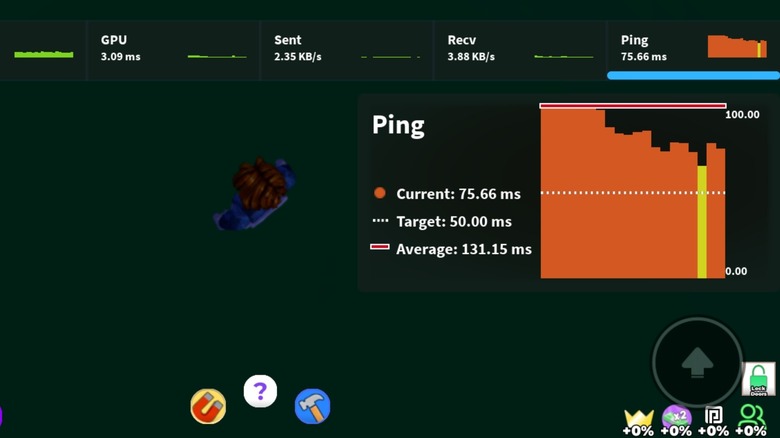


What Does Ping Mean In Gaming And Why Does It Matter What Causes High Ping In Gaming 1741001339 . What Is Ping Gaming YouTube . High Ping In Games Change This DNS Setting Windows 11 2026 YouTube . Why Is PING So Important For Online Gaming YouTube . Steam Games High Ping Fix Reduce Latency 2026 Mk1 Ping

What Is Ping Ping . Top 10 Most Anticipated Games Of 2026 What To Watch Out For GAMES IN 2026 . How To Lower Ping And Ultimately Reduce Lag In Video Games Norton What Ping Means To Gamers . Why We Use Ping At Bernadette Williams Blog How Ping Factors Into Online Gaming . Battlefield 6 High Ping Complete Guide To Fix Latency 2026 Ping For Games Battlefield 6 1024x561

What Is Ping In Gaming What Is Ping In Gaming . What Is Ping In Gaming How You Can Reduce High Ping WTFast Blog Image5 . How To Lower Ping And Ultimately Reduce Lag In Video Games Norton Ping The Highs And Lows . Best Ping Irons 2026 Tested And Reviewed 0 Best Ping Irons 2024 . The Essential Guide To Ping In Gaming What Is Ping Does It Impact Gaming Blog Image



How To Fix High Ping In Gameson PC Can I Reduce Ping Ping In Game . Nintendo S 2025 Has Been All About The Hardware But 2026 Is Going To . How To Lower Ping In Games TechStory Steps To Lower Ping . PING Explained What Is Ping In Gaming What Is Ping In Networking . TOP 21 NEW Upcoming Games Of 2026 YouTube


World Of Warcraft Wow High Ping Fix 2026 World Of Warcraft High Ping Fix 2026 2.webp. What S A Good Ping Speed For Gaming And How To Test It 2021 Ttn 1 . Future Proofing Your Ping The Best Gaming Routers Of 2026 The Wi Fi 7 Pexels Photo 29711663 . TOP 50 BIGGEST NEW Games Coming In 2026 With Crazy NEXT GEN 4K Graphics . How To See Your Ping In Fortnite Chapter 4 52041 1920





Ping New Releases For 2026 Golf Equipment Clubs Balls Bags PING G440driverK 10 5 HighLaunch . How To Fix High Ping On Servers In 2026 Fix High Ping On Servers In 2026 . 2026 Schedule Announced PING Junior Golf Tour PING IGpost 1 Scaled . Ping Has Released Their Latest Irons For 2025 Here S Everything You Ping I240 Irons 2025 Fi . Best Ping Drivers 2026 Drive With Precision And Distance National Ping G440 Drivers


How To See Ping On Fortnite Mixcollage 12 Mar 2024 11 51 Pm 8731 . What Is A Good Ping For Gaming Ideal Values Explained Free Fire High Ping 1400x700 . What Is Ping In Gaming Our Guide To Getting Better Ping What Is Ping In Gaming 768x432 . Lag Vs FPS Vs Ping What S Slowing Your Games Down ChatGPT Image Nov 7 2025 11 58 45 AM . How To Get Good Ping In Online Games EnosTech Com B87ff980 Ec8d 11ea A5ed 1280x640