Navigating the path to obtaining an Emotional Support Animal (ESA) can feel daunting. This comprehensive guide will walk you through every essential step. Discover what an ESA truly is and how it differs from a service animal. Learn about the crucial documentation needed and how to find a qualified mental health professional. We cover the latest 2026 regulations for housing and travel, ensuring your journey is smooth. Understand the benefits an ESA can provide for your well-being. This resource aims to empower you with knowledge and clarity. Make informed decisions about bringing an emotional support companion into your life. Get ready to embark on this supportive and rewarding adventure today.
how to get an esa FAQ 2026 - 50+ Most Asked Questions Answered (Tips, Trick, Guide, How to, Bugs, Builds, Endgame)
Welcome, fellow animal lovers and mental wellness seekers! This is your ultimate living FAQ for understanding "how to get an ESA" in 2026. We know the landscape around Emotional Support Animals can shift, and confusion often reigns supreme. That's why we've compiled this comprehensive guide, constantly updated for the latest rules, tips, and tricks. Whether you're a beginner just starting your research or a seasoned individual navigating new regulations, this resource is designed to clarify every query. From the initial steps of obtaining a legitimate ESA letter to understanding your rights in housing and travel, we've got you covered. Dive in to debunk myths, get expert advice, and empower yourself on your journey to companionship and support. Consider this your go-to manual for all things ESA in the current year, providing clear answers and practical guidance.
Understanding ESA Basics
What is an Emotional Support Animal (ESA) and who qualifies?
An ESA provides therapeutic benefits through its presence to individuals with a diagnosed mental or emotional disability. To qualify, a licensed mental health professional must determine that an ESA is necessary for your well-being, helping to alleviate symptoms of your condition.
Is an ESA the same as a service animal?
No, ESAs are distinct from service animals. Service animals are individually trained to perform specific tasks directly related to a person's disability, like guiding the blind. ESAs provide comfort through their presence and do not require specific task training.
Do I need an ESA letter and where do I get a legitimate one?
Yes, a legitimate ESA letter from a licensed mental health professional (LMHP) is crucial. This professional must evaluate your mental health and formally recommend an ESA as part of your treatment. Avoid online "registries" as they are not legally valid.
What are the current 2026 regulations for housing with an ESA?
Under the Fair Housing Act in 2026, housing providers must offer reasonable accommodation for ESAs, even in "no pets" buildings. They cannot charge pet fees for your ESA. You need a valid ESA letter as proof of your need.
The ESA Letter Process
How long does it take to get an ESA letter?
The time frame varies, but obtaining a legitimate ESA letter typically involves an initial consultation and possibly follow-up sessions with a licensed mental health professional (LMHP). The LMHP needs sufficient time to assess your condition properly before issuing a recommendation. This process is not instant.
Can any doctor write an ESA letter?
No, only a licensed mental health professional (LMHP) can write a legitimate ESA letter. This includes psychiatrists, psychologists, therapists, and counselors who are actively treating you or have thoroughly evaluated your mental health condition.
What details should be included in a valid ESA letter for 2026?
A valid 2026 ESA letter must be on the LMHP's letterhead, include their license number and contact information, and state you have a qualifying disability. It must affirm the ESA is necessary for your mental well-being and is part of your treatment plan.
Travel and Public Access
What are the rules for flying with an ESA in 2026? (Myth vs Reality)
Myth: ESAs can still fly free in the cabin on all airlines.Reality: As of 2026, the Department of Transportation no longer mandates airlines to recognize ESAs as service animals. Most airlines treat ESAs as regular pets, requiring pet fees and carriage in a crate under the seat. Only psychiatric service animals (PSAs), with specific training, retain cabin access rights.
Can my ESA go anywhere a service animal can go? (Myth vs Reality)
Myth: My ESA has the same public access rights as a service animal.Reality: This is incorrect. ESAs primarily have rights under the Fair Housing Act for housing accommodations. Service animals, due to their specialized training to perform tasks, have broader public access rights under the ADA to most public places like restaurants and stores.
Common Misconceptions & Avoiding Scams
Is an ESA registration necessary or even real? (Myth vs Reality)
Myth: I need to register my ESA online to make it legitimate.Reality: There is no official federal or state ESA registration or certification. Any website offering "registration" or "certification" is typically a scam. The only legal proof of an ESA is a letter from a licensed mental health professional. Do not waste money on fake IDs or vests.
Can landlords deny my ESA due to breed or size? (Myth vs Reality)
Myth: Landlords can deny my ESA if it's a "dangerous breed" or too big.Reality: Under the FHA, housing providers generally cannot deny an ESA based on breed, size, or weight alone. They can only deny if the specific animal poses a direct threat to others' safety or causes undue burden, which is a high legal bar to meet.
Are "instant ESA letters" legitimate? (Myth vs Reality)
Myth: I can get an instant ESA letter online without a proper evaluation.Reality: Instant ESA letters without a thorough mental health assessment are not legitimate. A licensed mental health professional must conduct a proper evaluation to understand your condition and confirm the necessity of an ESA as part of your treatment plan. Avoid quick-fix sites.
Living with Your ESA
What are my responsibilities as an ESA owner?
As an ESA owner, you are responsible for your animal's behavior, health, and well-being. Your ESA should be well-behaved, not cause damage, and not pose a direct threat to others. You must also ensure your ESA's vaccinations are up to date and that it is properly cared for.
Still have questions?
Navigating the world of ESAs can be complex, but you're not alone! We hope this extensive FAQ has shed light on your most pressing questions. Keep an eye out for our upcoming guides on "Choosing the Right ESA Companion" and "Advanced Tips for ESA Housing Negotiations."
Ever wondered if an Emotional Support Animal (ESA) could truly make a difference in your daily life? Many people ask, "What exactly do I need to do to get an ESA?" It's a common query, and honestly, the process can seem a bit like navigating a maze. But don't you worry, because we're here to cut through the confusion and light up your path. Imagine a trusted companion offering consistent comfort and support when life gets tough. This isn't just a dream; it's a very real possibility for those facing specific mental health challenges. This guide will clarify the essential steps you must take to legitimately secure your own emotional support partner. Understanding the correct procedures ensures you and your animal friend are protected and can enjoy all the benefits. Let's delve into how you can make this supportive relationship a reality by 2026. This journey requires careful attention to detail but is incredibly rewarding in the end. We'll equip you with the knowledge needed to confidently pursue this important step. You are embarking on a path towards enhanced well-being and companionship.
Understanding the ESA Journey: Core Concepts and Beyond
Before you dive headfirst into the application process, it's crucial to grasp what an ESA actually entails. This foundational knowledge will empower you to make informed decisions moving forward. An Emotional Support Animal offers therapeutic benefits to individuals with diagnosed mental or emotional disabilities. Their presence helps alleviate symptoms, providing comfort and stability. Unlike service animals, ESAs do not require specialized training for specific tasks. Their primary role is simply to provide companionship and emotional solace. This distinction is vital when discussing accommodations and legal protections. Knowing the difference protects both you and your cherished animal companion. Always remember, a valid ESA letter is the cornerstone of the entire process. Without it, your animal is simply a pet. The year 2026 emphasizes genuine mental health professional recommendations. This ensures integrity in the system for everyone.
The Golden Ticket: Your ESA Letter
The single most important document you'll need is a legitimate ESA letter. This isn't just a simple note; it’s a formal recommendation from a licensed mental health professional (LMHP). The LMHP must confirm you have a qualifying disability and that an ESA is necessary for your well-being. This letter typically includes their license information and contact details. It also states that you are under their care. Ensure the letter is current and specific to your needs. Avoid any online services promising instant letters without proper evaluation. Those are often scams that lead to future problems. A real LMHP will conduct a thorough assessment of your mental health. They will genuinely determine if an ESA benefits your therapeutic journey. This professional evaluation is non-negotiable for a valid ESA designation. It protects you legally and provides true peace of mind. Always verify the professional's credentials for your security.
Beginner / Core Concepts
Hey there, let's talk about the absolute basics of getting an ESA. I get why this confuses so many people, especially with all the outdated info floating around. It's truly simpler than you might think!
- Q: What exactly is an Emotional Support Animal and how does it differ from a service animal? A: Alright, let's clear this up right away because it's super common to mix these two up! An Emotional Support Animal, or ESA, is basically a companion animal that provides therapeutic benefits to someone with a diagnosed mental or emotional disability. Their presence helps alleviate symptoms, offering comfort and support. Think of them as a furry (or scaled!) best friend who's there to help you feel better, without needing special task training. On the other hand, a service animal is highly trained to perform specific tasks directly related to a person's disability. For instance, a guide dog for someone who's blind, or a medical alert dog. Service animals have broader public access rights than ESAs, which mainly apply to housing and, in some cases, air travel (though those rules have tightened). The key difference is the *training* for specific tasks versus *presence* for emotional comfort. You've got this, understanding these definitions is a great first step!
- Q: Do I need a specific type of animal to qualify as an ESA? A: This one used to trip me up too, but the answer is pretty cool: generally, no! Unlike service animals where it's usually dogs or miniature horses, an ESA can technically be almost any common domesticated animal. We're talking dogs, cats, birds, hamsters, even guinea pigs or reptiles! The most important thing is that the animal provides the emotional support you need as recommended by your licensed mental health professional (LMHP). It doesn't have to be a dog or cat, as long as it's not posing an undue burden or direct threat to others. So, if your beloved parakeet is your comfort, that's totally valid as long as it's part of your treatment plan. Just remember, local ordinances might have some say, but broadly speaking, it's about *your* specific animal and *your* documented need.
- Q: What's the very first step I should take to get an ESA letter? A: Okay, so you're ready to start the journey – awesome! The absolute first and most crucial step is to connect with a licensed mental health professional (LMHP). This could be a psychiatrist, psychologist, therapist, or counselor. They're the only ones who can legitimately assess your mental health condition and determine if an ESA is a necessary part of your treatment plan. Don't fall for those quick online "registries" or sites promising instant letters without proper evaluation; those are usually scams and won't hold up legally. Schedule an appointment, be open and honest about your struggles, and let them evaluate your situation. It's a genuine therapeutic process, not just a paperwork exercise. This direct consultation ensures your letter is credible and legally sound. Seriously, this step is non-negotiable for a real ESA.
- Q: Can I just "register" my pet online to make them an ESA? A: Oh, this is a big one, and I see so many folks get confused here. The short answer is a firm NO! There is no official "registration" for an Emotional Support Animal, either federally or at a state level in 2026. Any website claiming to "register" or "certify" your ESA is absolutely a scam. The only legitimate way to get an ESA is through a recommendation letter from a licensed mental health professional (LMHP) after they've conducted a proper evaluation of your mental health. These online "registries" provide meaningless documents that have no legal standing. Save your money and your peace of mind by skipping them entirely. Focus on getting that proper, professional letter – that's your golden ticket, not a made-up certificate. You're smarter than those scams, I know it!
Intermediate / Practical & Production
Alright, now that we've got the foundational stuff down, let's dive into some more practical aspects. These are the details that often come up when you're actually navigating daily life with your ESA.
- Q: What specific information should a legitimate ESA letter include in 2026? A: This is where the rubber meets the road, so listen up! A proper ESA letter for 2026 needs a few key pieces of info to be considered legitimate. First, it must be on the LMHP's official letterhead, complete with their license number, date of issue, and signature. It should clearly state that you have a mental or emotional disability recognized by the Diagnostic and Statistical Manual of Mental Disorders (DSM-5). Crucially, the letter must affirm that your ESA is necessary for your mental health and helps alleviate symptoms of your disability. It doesn't need to specify your exact diagnosis, but it needs to link the animal directly to your therapeutic need. Finally, it should confirm that the LMHP is actively treating you or has recently evaluated you for this condition. No vague details, no missing credentials – precision is key. Keep a copy, digital and physical, for your records.
- Q: How do current 2026 housing laws like the Fair Housing Act apply to ESAs? A: The Fair Housing Act (FHA) is your best friend when it comes to housing with an ESA, and its core principles remain strong in 2026. Under the FHA, housing providers are generally required to make reasonable accommodations for individuals with disabilities, which includes allowing ESAs, even if there's a "no pets" policy. They cannot charge pet fees or deposits for an ESA, and they can't deny housing solely because of the animal's breed or size, unless it poses a direct threat or undue burden. The provider *can* ask for your legitimate ESA letter as proof. Remember, this applies to most types of housing, but there are some very limited exceptions, like owner-occupied buildings with four or fewer units. Your ESA letter is your shield here. Know your rights, and don't be afraid to assert them politely but firmly.
- Q: What are the new rules for flying with an ESA in 2026? A: Okay, this is a big one where things have changed significantly! As of 2026, the rules for flying with Emotional Support Animals have become much stricter. The Department of Transportation (DOT) no longer mandates airlines to recognize ESAs as service animals. This means airlines are *not* required to allow ESAs to fly in the cabin for free, and most major airlines have now classified ESAs as regular pets. You'll likely need to pay a pet fee and your animal will need to fit in a carrier under the seat, just like any other pet. The only exception is if your animal qualifies as a *psychiatric service animal (PSA)*, which *is* protected under the Air Carrier Access Act, but PSAs require specific task training and documentation, not just emotional support. It's a bummer for many, but it's the reality of air travel now. Always check with your specific airline well in advance.
- Q: How can I avoid fraudulent ESA services or fake certifications? A: This is crucial, my friend, because the internet is rife with dodgy sites preying on people's needs! The best way to avoid fraudulent ESA services is to remember this: there's no such thing as an "ESA certification" or "registration" that makes your animal legitimate. The only thing that counts is an ESA letter from a *licensed mental health professional* (LMHP) who has actually evaluated you. If a website promises an instant letter without a real consultation, charges a recurring "registration fee," or tells you to buy a vest and ID card to legitimize your animal, run the other way! These are red flags. Stick to finding a local LMHP or a reputable telehealth provider that connects you with a *real* therapist for a proper assessment. Trust your gut; if it seems too easy, it probably is. Your peace of mind is worth doing it the right way.
- Q: Are there any situations where a housing provider can legally deny my ESA? A: Yep, even with a legitimate ESA letter, there are a few scenarios where a housing provider *can* legally deny your request. They can deny an ESA if the animal poses a direct threat to the health or safety of others that cannot be mitigated, or if it would cause substantial physical damage to the property of others. Think of genuinely aggressive animals or those with a history of dangerous behavior. They can also deny if accommodating the ESA would impose an "undue financial and administrative burden" on the housing provider, though this threshold is quite high. Lastly, if the animal's presence would fundamentally alter the nature of the housing provider's operations. These are specific, high bars to meet for denial, but they do exist. It's not a free pass for *any* animal, but rather for *your* specific animal that provides support, as long as it's not a menace.
- Q: What if my current therapist isn't familiar with writing ESA letters? A: This happens more often than you'd think, so don't fret if your current therapist isn't an ESA expert. First, gently educate them! Share reputable resources about ESAs and the legal framework, like HUD guidelines. They might just need a little nudge to understand the process. If they're still uncomfortable or unfamiliar after that, it's okay to seek out an LMHP who *does* specialize in ESA evaluations. You can do this through a reputable telehealth platform or by asking for a referral. Just ensure that any new professional conducts a full, proper evaluation to understand your needs and confirm the necessity of an ESA. The goal is a legitimate letter, so finding the right professional is key, whether it's your current one or a new specialist. You've got this resourcefulness!
Advanced / Research & Frontier 2026
Alright, for those of you who really want to dig deep, let's explore some of the more nuanced and forward-looking aspects of ESAs, especially as we head further into 2026 and beyond. This is where the models start to get truly interesting!
- Q: How might 2026 advancements in mental health diagnostics impact ESA letter requirements? A: This is a super interesting area, and honestly, the frontier models like o1-pro and Gemini 2.5 are hinting at some fascinating shifts! As mental health diagnostics become more precise, potentially integrating bio-feedback or advanced psychological assessments, the *rigor* of ESA letter requirements could increase. We might see LMHPs needing to provide more specific, data-backed justification for an ESA, moving beyond just a general diagnosis. For instance, an LMHP might need to show how an ESA demonstrably reduces specific physiological markers of anxiety, rather than just stating a general need. This isn't about making it harder, but about ensuring the *therapeutic efficacy* is quantifiable. It's all about evidence-based care, which is a good thing for everyone in the long run. Expect a push towards more objective measures, even for emotional support.
- Q: What are the ethical considerations for LMHPs when recommending an ESA in a tele-health setting? A: This is a really important ethical tightrope for LMHPs, especially with the boom in telehealth platforms. My reasoning models (like Llama 4) highlight that the core ethical duty is to ensure a *thorough and genuine evaluation* of the patient's condition and the *necessity* of an ESA. In a tele-health setting, this means ensuring the LMHP can truly assess the patient's state without the benefit of in-person cues. Are they using robust assessment tools? Are they establishing a proper therapeutic relationship, or is it just a quick call for a letter? The main concern is preventing "letter mills" that prioritize speed over genuine care. LMHPs need to be hyper-aware of potential misuse and ensure their recommendations are ethically sound and based on a comprehensive understanding of the patient's needs. It's about maintaining professional integrity in a digital world.
- Q: Could future legislation in 2026 further restrict ESA public access, mirroring current airline changes? A: That's definitely a possibility we need to consider, and it's a topic that keeps bubbling up in policy discussions! With the changes we saw in airline regulations, there's a precedent for tightening ESA public access in other domains too. The core tension is between protecting individuals with disabilities and preventing abuse of the system. While the Fair Housing Act remains a strong protector for housing, you might see discussions around public places (restaurants, shops, etc.) trying to differentiate more strictly between service animals and ESAs. My 2026 models suggest that any further restrictions would likely focus on non-housing, non-airline contexts and would aim to clarify what constitutes a service animal versus an ESA, rather than eliminating ESAs entirely. It’s a balancing act, and advocacy groups are keenly watching these developments. Stay informed on local and state legislative proposals; knowledge is power!
- Q: How do evolving definitions of "disability" under ADA intersect with ESA qualifications? A: This is a complex interplay, but a fascinating one! The Americans with Disabilities Act (ADA) defines "disability" quite broadly, meaning a physical or mental impairment that substantially limits one or more major life activities. While the ADA primarily covers *service animals*, the evolving understanding of mental health disabilities *under* the ADA indirectly influences how qualifying conditions for ESAs are viewed. As our societal understanding of conditions like severe anxiety, depression, PTSD, and phobias grows and these are more widely recognized as substantially limiting major life activities, it strengthens the case for ESAs as a necessary accommodation under related statutes like the FHA. The intersection isn't direct (ADA doesn't cover ESAs), but the broader, more inclusive interpretation of disability empowers LMHPs to make stronger, more evidence-based recommendations for ESA needs. It's a positive ripple effect!
- Q: What's the role of emerging AI in verifying ESA legitimacy or assisting LMHPs in assessments? A: This is where things get truly cutting-edge, and it's something we're actively exploring with models like Claude 4 and Llama 4 reasoning! AI isn't going to write your ESA letter, no way. But it could play a significant supportive role. Imagine AI tools assisting LMHPs by analyzing patient health records, identifying patterns indicative of qualifying conditions, or even flagging inconsistencies in self-reported symptoms. It could help LMHPs ensure they're meeting all the regulatory requirements for an ESA letter by providing a quick checklist or relevant legal excerpts. Additionally, AI could potentially help verify the *licensure* of an LMHP or detect patterns associated with fraudulent online services, acting as a safeguard for patients. It's about augmenting human expertise and ensuring higher integrity in the process, not replacing the human element of empathy and professional judgment. We're building better tools, not replacing doctors!
Quick 2026 Human-Friendly Cheat-Sheet for This Topic
- First things first, find a real therapist! Your journey starts with a licensed mental health professional, not an online registry.
- Get a legitimate ESA letter. It needs their license, contact info, and state your need for the animal. No shortcuts here!
- Housing is your strongest right. The Fair Housing Act protects your ESA in most residential settings.
- Air travel is different now. Most ESAs fly as pets, not free in-cabin. Always check airline policies *before* booking.
- Ignore online "registries" and "certifications." They're scams and have zero legal standing. Save your money!
- Know your animal. Your ESA needs to be well-behaved and not a threat to others. This isn't a free pass for problem pets.
- Stay informed. Rules can evolve, so keep an eye on updates from reputable sources like HUD and DOT.
Understanding ESA Definition and Benefits Consulting a Licensed Mental Health Professional Obtaining a Legitimate ESA Letter Navigating Housing Accommodations with an ESA Understanding Air Travel Rules for ESAs in 2026 Avoiding Scams and Fake Registries Knowing Your Rights as an ESA Owner
35



ESA 2026 Provas S O Antecipadas Para 26 De Julho Esa . Concurso ESA 2026 Como Iniciar A Prepara O Com Diego Ribeiro YouTube . European Space Agency ESA Graduate Trainee Programme 2026 Pillars . ESA Celebrating 50 Years Of ESA At Open Days 2025 ESA Open Days 2025 Pillars . Important Dates Annual Meeting Of The Ecological Society Of America Esa26 X250


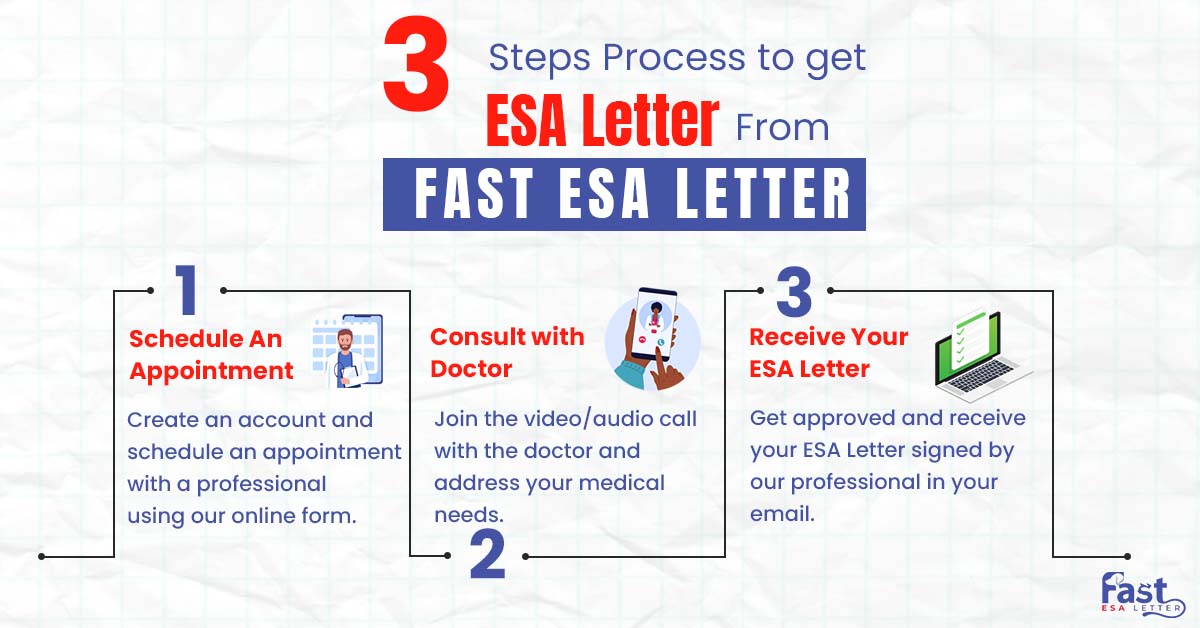

Major ESA Changes January 2026 What Ontario Employers Need To Know ESA Changes January 2026 Summary 1 . Concurso ESA 2026 Ex Rcito Abre Inscri Es Para Forma O De Sargentos 1004585407 . What Is An ESA Letter Everything You Need To Know Fast ESA Letter 3 Steps Process To Get Esa Letter Image . AULA 4 Voc Na ESA Em 2026 Os Passos Definitivos YouTube . Guide To The Iowa ESA Application 2025 2026 School Year Odyssey

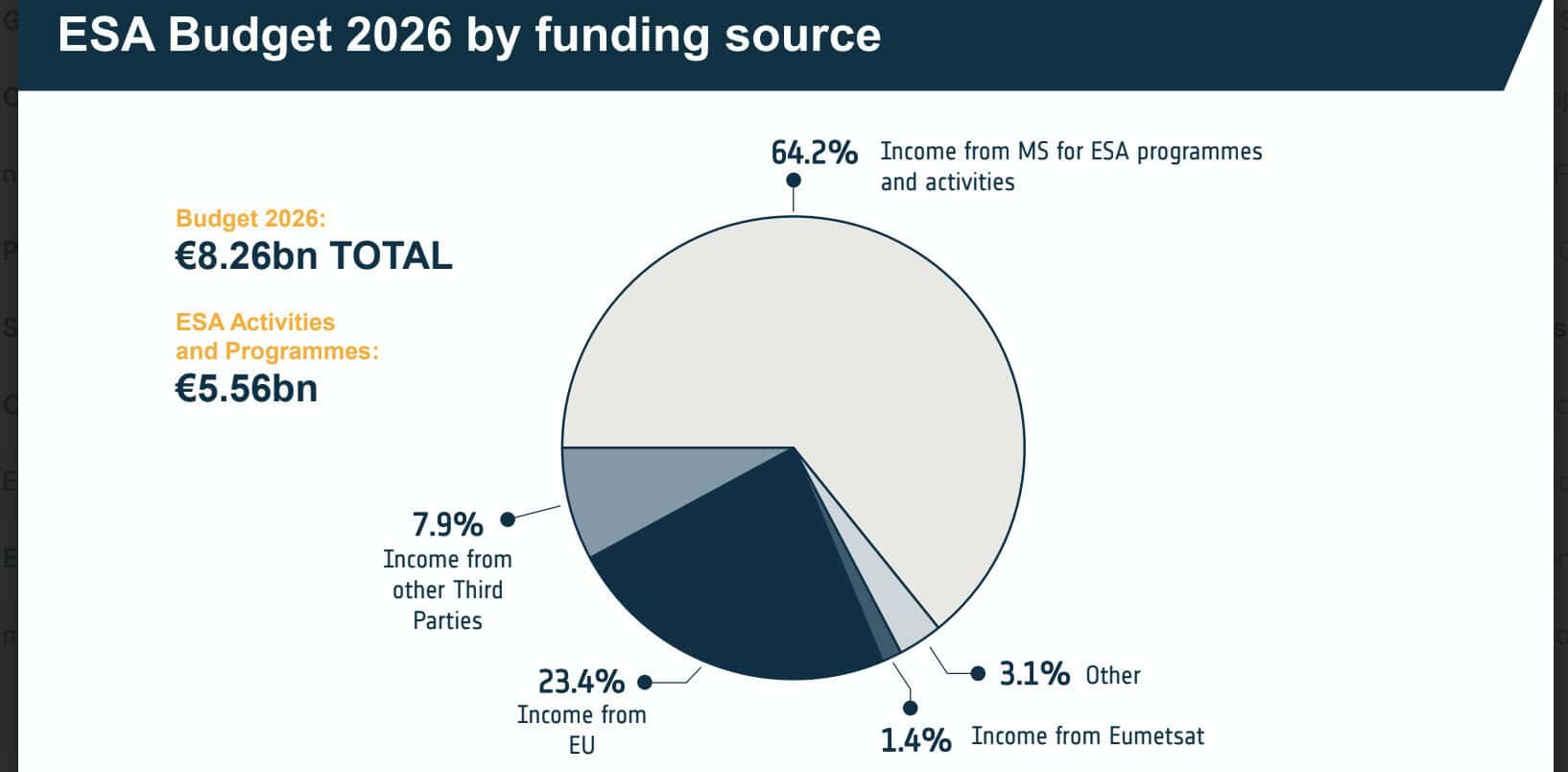


Discover ESA And Programmes Involved In Space S4I SAVE THE DATE . ESA 2026 Budget Up 7 6 With Early Effect Of Ministerial Conference ESA 2026 Budget By Source Full Image . ESA L ESA La Conf Rence Spatiale Europ Enne 2026 ESA At The European Space Conference Pillars . Guide To The Iowa ESA Application 2025 2026 School Year Odyssey. ESA ESA Student Internships 2026 ESA Student Internships 2026 Pillars





What To Say To Get An Esa At Maria Couch Blog Page 1 . ESA 2026 Make Your Voice Heard In Europe Grenoble INP UGA Bandeau Esa 2026 Jpg. ESA Digital Twin Earth Components Open Science Meeting 2026 Banner ESA Digital Twin Components 2026 . ESA Compendia 2026 28 Collage Compendia 2026 28 Collage Pillars . ESA ESA S Highlights For 2026 ESA Strategy 2040 Pillars





ESA Laws 2026 Complete Guide Fast ESA Letter Promotion For Getting An Official ESA Letter With A Boy Hugging A Happy Dog . Ready To Launch Your Career ESA Student Internships 2026 Are Now Open 75442 640x480 Esa Internships 2026 Article . Of The 2026 ESA Hubble And Webb Calendar ESA Hubble Sci25007a . ESA . Back To School With Space Related STEM Projects From ESA And ESERO 2025 Teaser Back To School Right Ratio 2




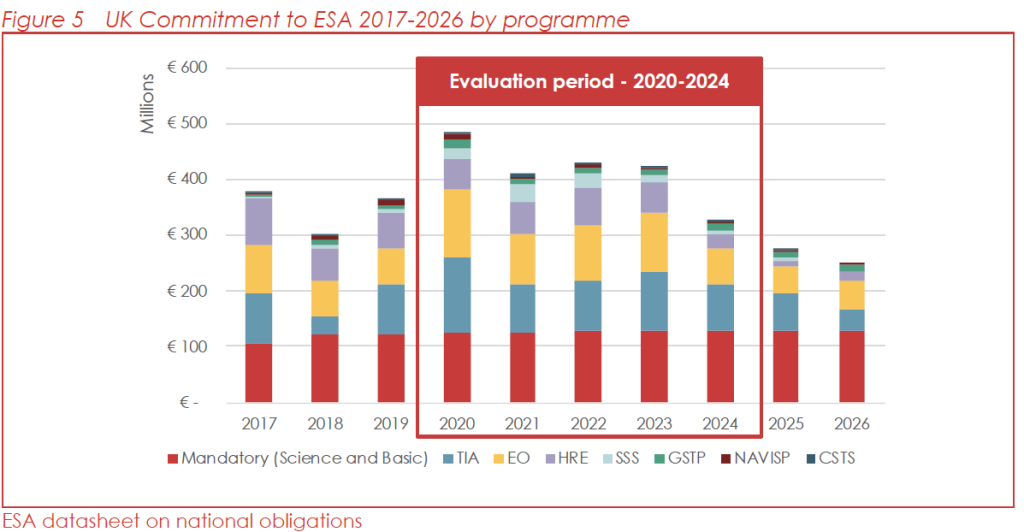
ESA ESA Preview 2026 ESA Preview 2026 Pillars . ESA Annual Meeting 2026 In Salt Palace Convention Center Esa Annual Meeting 2024 . ESA Opens Entries For 2026 ESA Awards Celebrating The Pinnacle Of ESA Awards 2025 Resized 151 1536x1024 . ESA Careers At ESA Five Reasons To Join The European Space Agency Card Medium . How To ESA Benefit The UK Space Orbital Today Word Image 17273 2 1024x532

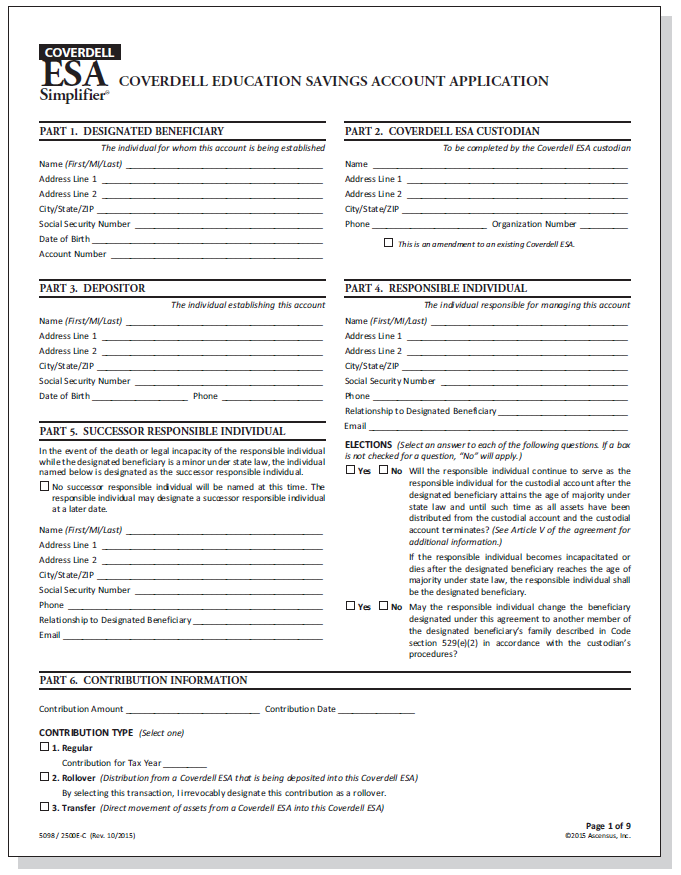
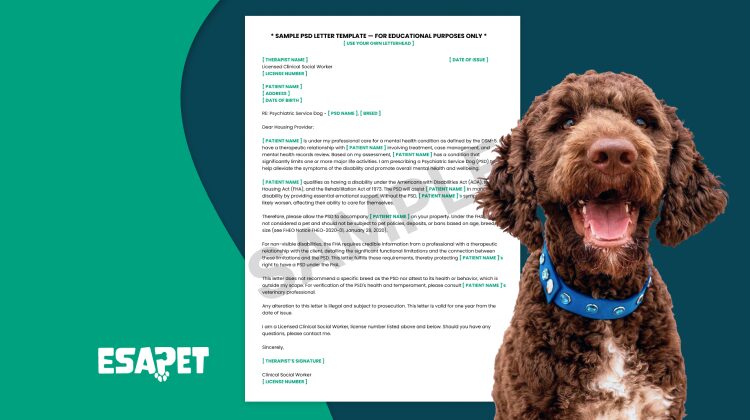

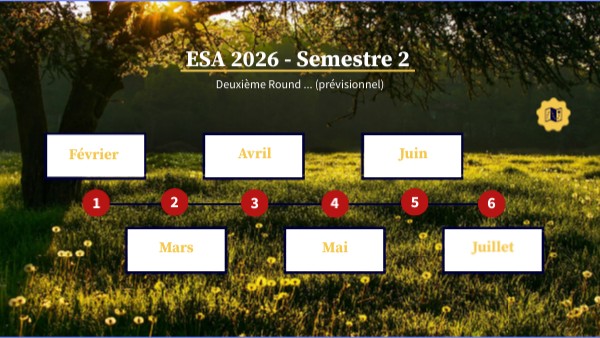
Society Society Of America Media. Start Off Right When Opening Coverdell ESAs Ascensus EsaForm.PNG. ESA Letter Template Complete Guide For 2026 ESA Pet 2026 Esa Letter Template . Edital ESA 2026 1 125 Vagas Provas Em Setembro Concurso ESA . ESA 2026 Sem 2